Coffee plants have a rich history, a unique look, and a strong link to cultures across the world.
These fun facts help you understand the journey of coffee from the first coffee trees in East Africa to the cup of coffee you enjoy today. Let’s begin.
1. Coffee Comes From Evergreen Plants
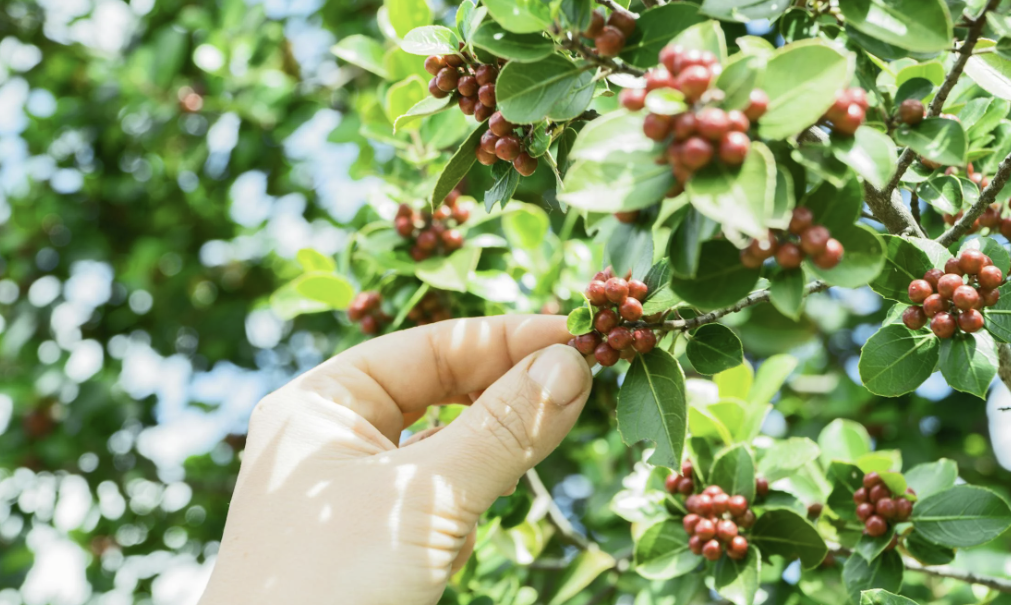
Coffee plants are evergreen plants that look like a small tree with waxy leaves and prominent veins.
2. The Coffee Plant Belongs to the Rubiaceae Family
This family includes many tropical plants known for their fragrant white flowers.
3. Coffea Arabica Is the Most Popular Species
C. arabica grows at high altitude and high elevation, and it produces arabica coffee beans with a smoother taste.
4. Robusta Coffee Comes From Coffea Canephora
Robusta plants grow in a warmer climate and have a much darker flavor profile.
5. Coffee Trees Produce Beautiful White Flowers
The blooms smell like a jasmine flower and release a fragrant aroma during the growing season.
6. Coffee Fruit Is Called a Coffee Cherry
Each coffee cherry holds the actual coffee seed that becomes green coffee beans before the roasting process.
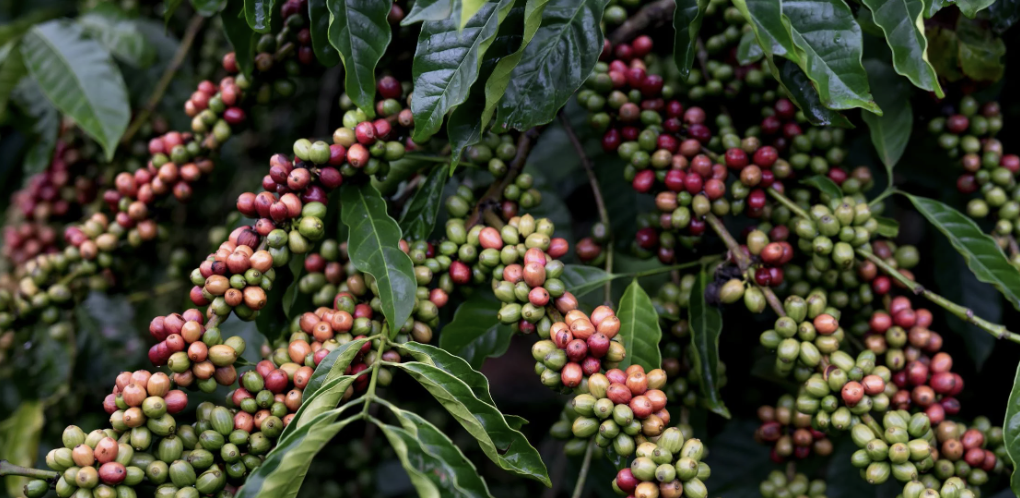
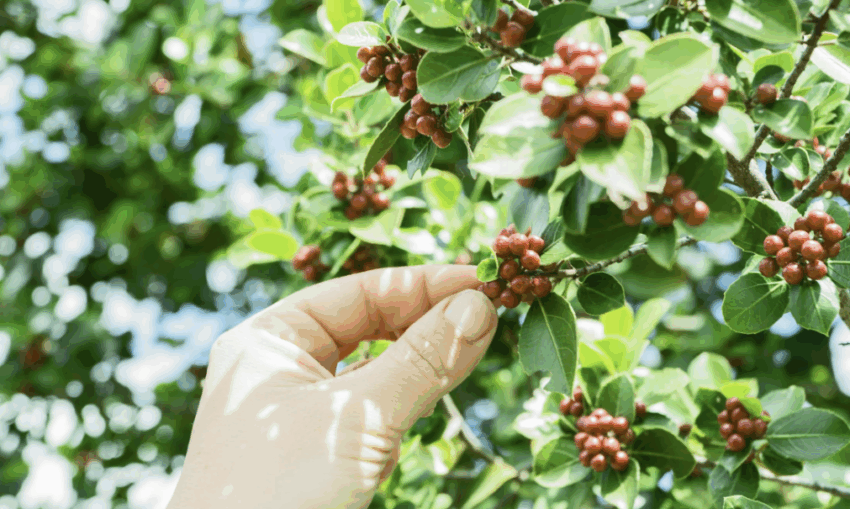
7. Coffee Plants Make Red Berries When Ripe
These red berries form in a small bundle and signal the best time for coffee farmers to harvest.
8. The Origin of Coffee Began in East Africa
The Ethiopian plateau and central Africa are home to the first wild coffee fields.
9. A Goat Herder Discovered Coffee’s Power
The famous story tells of goats eating the fruit of the coffee tree near a neighboring monastery and gaining energy.
10. Arabian Coffee Spread Across the Middle East
Coffee traveled across the Arabian Peninsula and grew in culture for centuries.
11. Coffee Reached the 14th Century World Through Trade
Traders carried coffee seeds to new regions as demand grew.
12. Coffee Plantations Expanded in Central and South America
Costa Rica and other countries in Central America became major coffee producers.
13. Today’s World’s Coffee Production Covers Many Regions
Southeast Asia, central Africa, and the United States all grow individual species and types of coffee.
14. Higher Altitudes Create Better-Tasting Coffee
Arabica coffee plants grown at high altitude create a cleaner flavor profile for coffee connoisseurs.
15. Coffee Plants Love High Humidity
They grow well in high humidity, warm daytime temperatures, and well-drained soils.
16. Climate Change Affects Coffee Growing Regions
Coffee farmers work hard to adapt as geographic differences of each field shift over time.
17. Coffee Plants Can Be Indoor Plants
With a grow light and steady warmth, a coffee arabica plant can be a specimen plant inside the home.
18. Coffee Plants May Drop Leaves When Stressed
Leaf drop can happen when humidity or water levels change.
19. One Tree Produces Pounds of Coffee Cherries Each Year
A healthy coffee tree delivers a steady crop through each growing season.
20. Coffee Berries Turn Into Green Coffee Beans
After harvest, beans go through the wet method before drying.
21. The Journey of Coffee Ends With Hot Water
Hot water brings the flavors to life, and next time you enjoy a cup, you’ll know the rich history behind it.