
If you’ve noticed brown tips on your succulents, don’t worry. This is one of the most common problems with indoor plants, and it often has an easy fix.
Succulent plants are tough, but they can show stress through their leaves. When you see brown leaves, it’s their way of saying something’s off.
This guide explains why your succulent leaves turn brown, what you can do to treat them, and how to keep your plants healthy for the long run.
Why Succulent Leaves Turn Brown
Brown tips or brown leaves can happen for many reasons. Paying close attention to your plant’s watering, light, and environment is the first step to solving the problem of leaf discoloration.
Here are the most common reasons your succulent leaves may be turning brown:
1. Too Much Water
An overwatered succulent is one of the most common causes of brown tips. When your plant gets too much water, its plant tissue starts to break down. The bottom leaves of your succulent may turn mushy or dark, and you might notice black spots or a black stem near the base of the plant.
The best way to avoid this is to water only when the top inch of the soil feels dry. Always use well-draining soil and a pot with drainage holes. Good drainage is key.
If you suspect your succulent has root rot, take it out of the pot, trim away soft roots, and replant it in a gritty material or a fresh potting mix that drains fast.
2. Not Enough Water
While too much water causes rot, not enough watering can lead to brown tips too. When succulent plants stay dry for too long, their lower leaves start to wrinkle, go crispy, and turn brown.
This is your plant saving water by pulling moisture from older leaves to support new growth.
Give your plant a deep soak during the growing season, letting the water drain out fully. A good rule of thumb is to water every 10–14 days. However, this will depend on temperature and humidity. Always let the soil surface dry before the next watering.
3. Too Much Sunlight
Succulents love bright light, but too much sunlight can cause sun damage and brown tips. The affected areas might look burnt or have dark spots near the top leaves.
Move your plant to a brighter location with indirect sunlight, or use a grow light if your room doesn’t get enough light naturally. This helps your plant recover without the harsh rays that burn plant leaves.
4. Lack of Light
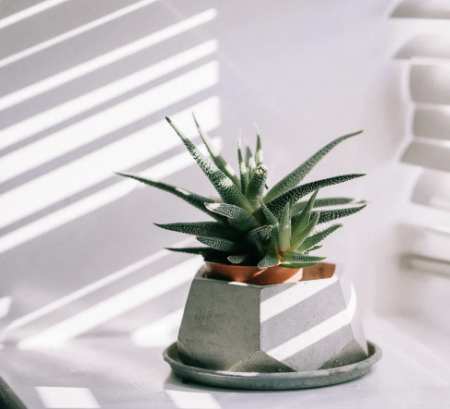
On the other hand, a lack of sunlight can also cause a color change in succulent leaves.
They might look pale or develop yellow leaves that eventually turn brown.
The best way to fix this is to give your plant enough sunlight each day.
Place it near a bright window or use a grow light if you live in a dark space.
5. Fungal Infection or Disease
A fungal infection or fungal disease can lead to brown spots or dark spots on the leaves of your succulents. These often appear when there’s excess water or high humidity.
Check for signs of mold near the bottom of the plant or on the soil surface. If you notice fuzzy patches or an odd smell, remove infected plants or dead leaves to stop the spread.
You can wipe the affected areas with a cotton swab dipped in insecticidal soap or diluted alcohol. This helps clean the surface and prevent future infections.
6. Pest Infestations
Small insects like spider mites, scale insects, and fungus gnats can cause brown tips too. These pests feed on plant tissue, leaving tiny marks or dry patches on the leaves of your succulents.
Inspect your entire plant, especially the base of the plant and undersides of the leaves. If you see small webs or sticky spots, that’s a sign of pest infestations.
Treat mild cases with insecticidal soap or a wipe-down using a cotton swab dipped in alcohol. Keeping your plant in a bright light area with good airflow helps prevent pests from coming back.
7. Natural Aging
Sometimes, brown leaves happen because the plant is shedding old lower leaves. This is normal for mature plants and part of their life cycle.
If the bottom leaves dry out and fall off, it’s a good sign that your succulent is focusing on new growth. You can gently remove dead leaves from the bottom of the plant to keep it clean.
How to Fix Brown Tips on Succulents
Once you know the cause, fixing brown tips becomes easy. The best way is to adjust your watering habit and light conditions first.
Here’s a quick guide to help your succulent garden bounce back:
- Check your soil: Make sure your potting mix is dry before you water again. Use well-draining soil to prevent root rot.
- Water correctly: Give a good soak, then wait for the top inch of the soil to dry. Avoid too much water at once.
- Move to indirect light: If your plant looks burned, move it to indirect sunlight for a while.
- Clean damaged areas: Remove dead leaves or trim off brown tips with clean scissors.
- Treat fungus or pests: For fungal infections or pest infestations, use insecticidal soap or alcohol wipes.
- Watch for new growth: After a few weeks, you should see new leaves forming near the center or tips.
General Succulent Care Tips
Healthy plants start with good care. Keeping your succulent plants in the right conditions prevents most common succulent problems.
Here are a few simple tips:
- Use well-draining soil mixed with gritty material like sand or perlite.
- Always use pots with drainage holes.
- Keep them in bright light but avoid strong midday sun.
- Water less often during cooler months.
- Remove dead leaves to prevent fungal disease.
- Don’t let them sit in high humidity for long periods.
- Rotate your plants so they grow evenly.
Following these steps helps your indoor plants stay strong through all kinds of harsh conditions.
If you’re concerned how to change care when the seasons change, be sure to check out my guide on How To Keep Your Succulents Alive In The Winter.
Treatment Options for Brown Tips
If your succulent turning brown is due to mild sunburn or not enough watering, recovery is simple. With good care and patience, your entire plant can return to its healthy self.
For more serious issues like root rot or infection, the only way to save the plant may be to replant it. Cut away damaged roots, repot in dry places, and start a new watering schedule.
If the plant is too far gone, you can take baby plants or cuttings from the top and replant them. These new plants will grow strong with proper care.
FAQ: Brown Tips on Succulents
Can the leaves grow back?
Once succulent leaves dry or turn brown, they don’t grow back. But you’ll see new leaves forming from the top or center of the plant.
Will the brown leaves fall off?
Yes. Brown leaves often fall naturally as new growth appears. You can remove them carefully to keep the bottom of the plant clean.
Should I cut off brown leaves?
It’s a good idea to trim brown tips or dead leaves using clean scissors. This keeps your plant looking neat and reduces the chance of fungal disease.
Q: How often should I water my succulent?
A: Water when the top inch of the soil feels dry. A good watering every 10–14 days works for most indoor plants, depending on soil temperature and humidity.
What should I do when my succulent leaves turn brown?
Check your watering habit, light level, and soil. The most common reason for brown leaves is too much water or too much sunlight.
What if the leaves go crispy?
Crispy succulent leaves mean your plant needs enough water. Give it a good soak and place it in indirect sunlight.
Why are my succulent leaves turning yellow?
Yellow leaves often mean overwatering or lack of sunlight. Let the soil dry before your next watering, and move it to a brighter location.
Why are my succulent leaves turning black?
Black spots or a black stem often point to root rot or a fungal infection. Remove infected plants from others, trim away damaged roots, and replant in well-draining soil.
Seeing brown tips on your succulent leaves doesn’t mean the end for your plant. In most cases, it’s easy to fix by improving your watering schedule, giving enough light, and using good drainage.
Succulents are strong and can bounce back fast with a few changes. Keep them in bright light, use the right potting mix, and keep at it with the right care.
With a little time and patience, your succulent garden will be full of new growth again, and those brown tips will be a thing of the past.