
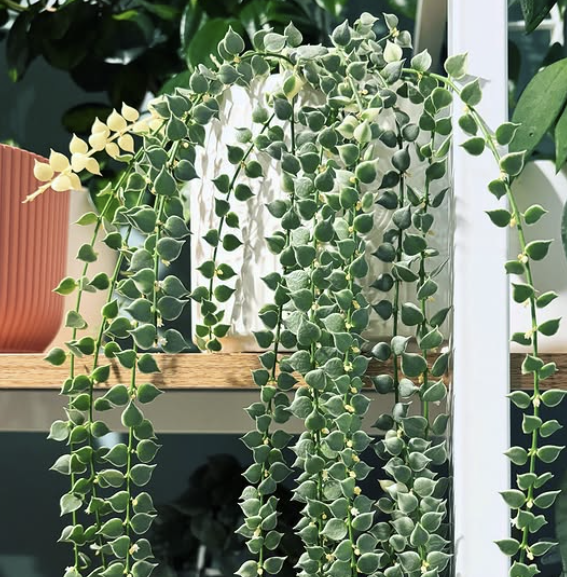
Many plant owners fall in love with the Million Hearts plant at first sight. Its tiny heart-shaped leaves and trailing stems make it hard to resist. However, this unusual plant can be confusing when you first bring it home.
The good news is that Million Hearts plant care is not as difficult as it looks. The key is understanding how this plant grows in nature. Once you know what it needs, you can avoid many of the common problems that make a plant look sad or unhealthy.
In this guide, I will show you how to care for Million Hearts indoors and outdoors. We will cover light, watering, soil, humidity, fertiliser, pruning, propagation, flowering, pests, and common problems.
About the Million Hearts Plant
The Million Hearts plant is known by its botanical name, Dischidia ruscifolia. It belongs to the Apocynaceae family and is native to the Philippines. Kew lists the species as a climbing subshrub from wet tropical habitats.
Its common name comes from its small heart-shaped leaves. These grow along slender green stems, creating long strings of foliage. With time, the stems can form dense clumps and trail beautifully from a hanging basket.
Million Hearts is also an epiphytic plant. This means it can grow on another plant for support without taking nutrients from that plant.
In its natural habitat, it can grow along tree trunks and branches. Therefore, its roots are adapted to an environment with plenty of air.
This is one of the most important things to understand about Million Hearts plant care. It likes moisture, but it does not like heavy, wet soil around its roots.
Is Million Hearts a Succulent?
Yes, Million Hearts is considered a succulent plant. However, it does not behave exactly like the desert succulents you may already know.
Its leaves are thick and fleshy, which allows the plant to store some water. However, Dischidia ruscifolia comes from a wet tropical environment rather than a dry desert.
This means you should not treat it like a cactus. It still needs good drainage, but it also benefits from higher humidity and more regular moisture.
This is where many new plant owners go wrong. They see the word succulent and assume the plant needs very little water.
Instead, think of Million Hearts as a tropical succulent epiphyte.
Million Hearts Plant for Beginners
Million Hearts is a good choice for plant enthusiasts who want something unusual. It is not the most difficult plant, but it does have different needs from a standard houseplant.
The main thing to understand is its epiphytic nature. Its roots need oxygen as well as moisture. Therefore, a loose soil mix is just as important as your watering routine.
It also needs the right amount of light. Too little light can cause slow growth and fewer flowers. Too much direct sunshine can damage the leaves.
Once you understand these basics, Million Hearts plant care becomes much easier.
If you are new to trailing plants, you may also enjoy my guide to 23 Best Indoor Vine Plants. It includes more ideas for adding trailing plants to your indoor space.
Types of Million Hearts Plants
The most common type is the green Dischidia ruscifolia. This has small green heart-shaped leaves along trailing stems.
You may also find a variegated Million Hearts plant. Variegated forms have cream or pale yellow markings around the leaves. These plants can be especially striking, but they may grow more slowly.
Variegated leaves contain less green tissue. Therefore, they have less chlorophyll available for photosynthesis.
This means variegated Million Hearts plant care may require slightly more attention to light. Bright indirect light can help the plant maintain healthy growth without exposing the pale leaves to harsh direct sunlight.
Million Hearts Plant Size
Million Hearts is a relatively compact trailing plant. However, its stems can become quite long when the plant is happy.
During the growing season, you may notice the vines extending steadily. Mature plants can look especially impressive when grown in a hanging basket.
The exact size will depend on light, temperature, feeding, pruning, and the age of the plant.
Rather than focusing on a maximum size, look at the plant’s growth habits. A healthy Million Hearts should gradually produce longer stems and fresh leaves.
Indoors or Outdoors?
Million Hearts can grow indoors or outdoors in warm climates. However, indoor growing is usually easier in cooler regions.
The plant is tropical and does not tolerate frost. Therefore, gardeners in colder regions should grow it as an indoor plant or bring it inside before temperatures fall.
If you grow Million Hearts outdoors, choose a sheltered spot with bright filtered light. Avoid full sun, especially during the hottest part of the day.
Outdoor plants can grow well when temperatures remain warm. However, local high temperatures, strong sunshine, wind, and rainfall can all affect watering needs.
Is Million Hearts Care Similar to More Common Plants?
Million Hearts has some care needs that are similar to Hoya plants. Both are tropical plants with thick leaves, and both can be grown as trailing indoor plants.
They also appreciate bright light, good airflow, and well-draining soil.
If you enjoy Hoya plants, my Hindu Rope Plant Care Guide is another useful guide to explore.
Million Hearts also has some similarities to String of Hearts. Both are trailing plants with heart-shaped leaves. However, they come from different environments and should not be given exactly the same care.
The biggest difference is water. Million Hearts comes from a humid tropical environment, so it generally appreciates more moisture than many dry-climate trailing plants.
Million Hearts Plant Light Requirements
Bright indirect light is usually the best choice for Million Hearts. This gives the plant enough energy for healthy growth without exposing its leaves to harsh direct sunlight.
An east-facing window can work particularly well. A bright window with a sheer curtain can also provide a good balance.
Some gentle morning sun is usually fine. However, strong afternoon sunshine can cause leaf scorch and light stress.
If your plant is receiving too little light, growth may become slow. The stems may also become thinner and more widely spaced.
Low light can also reduce flowering. Therefore, if your Million Hearts refuses to bloom, light levels should be one of the first things you check.
Variegated Million Hearts plants usually benefit from bright light too. However, avoid assuming that more light is always better. Direct sunshine can still damage the foliage.
Million Hearts Plant Care Watering
Watering is one of the most important parts of Million Hearts plant care. However, there is no perfect schedule that works for every home.
Instead, check the soil before watering. The potting mix should have some time to dry slightly between waterings, but it should not remain completely dry for long periods.
When you water, do it thoroughly. Allow water to flow through the pot and out of the drainage holes. Then let the excess water drain away.
Never allow the plant to sit in water. Excess water can reduce oxygen around the roots and increase the risk of root rot.
Your plant may need more water during the growing season. It may need less during winter when growth slows.
Humidity, light, temperature, pot size, and soil type can also affect how quickly the plant dries.
Therefore, checking soil moisture is more useful than following a strict calendar.
Temperature
Million Hearts prefers warm temperatures. This makes normal indoor temperatures suitable for much of the year.
Try to keep the plant away from cold draughts and sudden temperature changes. Avoid placing it directly beside an open window during freezing weather.
You should also keep it away from strong heat sources. A radiator can create hot, dry air that stresses the foliage.
If you move your plant outdoors during summer, bring it inside before temperatures become too cold.
Never allow Million Hearts to freeze.
Humidity
Million Hearts naturally grows in humid environments. Therefore, it can benefit from higher levels of humidity indoors.
Around 50–60% humidity can be a useful target. However, the plant can often adapt to normal household conditions.
If your home is very dry, a humidifier can help. Grouping indoor plants together can also create a slightly more humid area.
A bathroom with bright light can sometimes be an excellent choice.
However, humidity is not the only factor. Good airflow is still important. Constantly damp conditions with poor airflow can increase the risk of fungal problems.
Fertiliser
Million Hearts does not need heavy feeding. However, regular light feeding can support healthy growth during the growing season.
Use a balanced liquid fertiliser at a diluted strength. Feed roughly every four to six weeks during active growth.
Avoid overfeeding. Too much fertiliser can damage roots and create a build-up of salts in the soil.
Reduce feeding during autumn as growth slows. During winter, you can usually stop fertilising.
Remember that fertiliser cannot fix poor light or watering problems. Give your plant the right growing conditions first.
Soil
Soil is especially important because Million Hearts is an epiphytic plant.
A heavy houseplant soil can hold too much water around the root system. Instead, choose a very loose potting mix with plenty of air spaces.
A mix containing orchid bark, coco husk chips, perlite, and a small amount of sphagnum moss can work well.
You could also start with a regular store-bought cactus soil and add extra organic matter and chunky materials.
The aim is not to create a dry mix. The mix should hold some moisture while allowing excess water to drain quickly.
Good drainage is essential.
And if you are unsure about choosing the right potting mix, my Beginner’s Guide to Understanding Soil can help you understand what your plants actually need.
Repotting and Growing in Pots
Million Hearts does not need a large pot. In fact, a small pot is often a better choice.
Because of its epiphytic nature, it does not need a huge amount of soil around its roots. A pot that is too large can hold excess moisture for too long.
Choose the right pot size for the root system. Make sure it has drainage holes.
You can grow Million Hearts in a normal nursery pot. You can then place this inside a decorative pot for a cleaner look.
Hanging baskets are another excellent choice. They allow the stems to trail naturally and make the most of the plant’s beautiful shape.
Repot only when the plant has outgrown its current container or the potting mix has broken down.
Pruning
Pruning helps keep Million Hearts neat and encourages a fuller appearance.
Use clean, sharp scissors to remove dead or damaged stems. You can also trim long vines if they have become too sparse.
Pruning is especially useful if you want a dense plant rather than very long trailing stems.
Save healthy cuttings after pruning. These can be used for Million Hearts plant propagation.
This makes pruning a simple way to create more plants at the same time.
How to Propagate a Million Hearts Plant
Million Hearts is easy to propagate from stem cuttings. This is one of the best ways to create a new plant from an existing one.
Take a healthy stem cutting with several leaves and at least one or two nodes. A node is the point where leaves or roots can develop.
You can root the cutting in water. Place the lower part of the stem into clean water and keep the leaves above the surface.
Alternatively, you can place the cutting directly into a loose, moist potting mix.
Keep the cutting somewhere warm with bright indirect light. Higher humidity can also help while roots develop.
Once the cutting has developed a good root system, move it into its own small pot.
Do not rush this stage. Give the roots time to develop before moving the new plant into a larger container.
How to Encourage Million Hearts to Bloom
Million Hearts can produce tiny white or cream flowers. These appear along the stems and can be easy to miss.
NParks describes the species as free-flowering, with tiny white or cream flowers.
However, young plants may not flower regularly. Light is one of the biggest factors to consider.
Give your plant bright indirect light. Avoid placing it in the lowest light conditions of your home.
Healthy growth also matters. A plant that is struggling with root problems, poor watering, or pests may focus its energy on survival instead of flowering.
Regular feeding during the growing season can also support flowering. However, do not overfeed in an attempt to force blooms.
The best way to encourage flowers is to provide stable conditions throughout the growing season.
Seasonal Million Hearts Plant Care
Your care routine should change slightly throughout the year.
Spring
Spring is when growth should begin to increase. Move your plant into a bright position if it became darker during winter.
Start increasing watering as the plant begins using more moisture. You can also begin feeding again.
Spring is an excellent time to prune, propagate, or repot your plant if needed.
Summer
Summer is usually the main growing season. Your Million Hearts may produce longer stems and fresh leaves.
Check the soil more often during warm weather. However, do not water simply because the temperature is high.
Bright indirect light remains important. Protect the plant from strong direct sunshine.
If your plant is outdoors, check it regularly for pests and signs of light stress.
Autumn
Growth usually starts to slow during autumn. As a result, your plant may need less water.
Reduce fertiliser as the growing season comes to an end. Check the stems and leaves for pests before bringing an outdoor plant indoors.
This is also a good time to check the plant’s root system.
Winter
Winter care is usually much simpler. Growth may slow dramatically when light levels fall.
Water less often and avoid keeping the soil wet for long periods.
Keep your Million Hearts somewhere warm and bright. Protect it from cold draughts and sudden temperature changes.
If your home becomes very dry because of heating, consider increasing humidity.vines to trail freely while maximizing light exposure.
Common Pests and Diseases
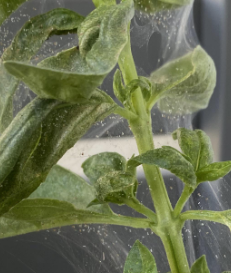
Spider mites are the most common pest for this plant, especially in dry conditions. Regularly inspect leaves for tiny webs. Overwatering can lead to root rot, so watch for yellow leaves or a musty smell from the soil.
Plant Benefits
Million Hearts is an excellent choice if you want something different from a standard houseplant.
Its small leaves and trailing growth create a soft, delicate look. It works especially well in hanging baskets, on shelves, and in plant stands.
It can also make a small indoor space feel greener without taking up much floor space.
Another benefit is its unusual growth habit. Because it is an epiphyte, it gives plant enthusiasts the chance to grow something that naturally lives on trees.
There is also something satisfying about watching a few small cuttings develop into a dense plant.
However, avoid exaggerated claims about houseplants cleaning indoor air. Good ventilation is still the best way to improve indoor air quality.
Common Million Hearts Plant Problems
Most Million Hearts problems come down to light, water, temperature, or pests.
The good news is that early signs of distress can often be corrected.
Why Are My Million Hearts Plant Leaves Turning Yellow?
Yellow leaves can have several causes. Too much water is one of the first things to check.
Look at the soil. If it stays wet for a long time, your plant may be struggling with excess moisture.
Poor light can also contribute to yellow leaves. Move the plant to a brighter position if it is growing in very low light.
One old yellow leaf is not always a concern. However, several yellow leaves at once deserve closer attention.
Why Is My Million Hearts Plant Dropping Leaves?
Leaf drop can happen after a sudden change in conditions.
Cold temperatures, overwatering, underwatering, and low light can all cause stress.
Check the soil first. Then consider how much light the plant receives.
If you recently moved your plant, give it time to adjust. Avoid making several major changes at once.
Why Is My Million Hearts Plant Turning Brown?
Brown leaves or edges can develop because of direct sunlight, dry air, underwatering, or root problems.
If the damage looks pale and crispy, check for strong sunlight.
If the leaves are soft or yellow before turning brown, check for excess water.
Looking at the full plant will help you work out the likely cause.
Why Is My Million Hearts Plant Not Growing?
Slow growth can be normal during winter. However, slow growth during the growing season can point to a problem.
Check light levels first. Million Hearts needs enough light to support healthy photosynthesis.
Then check watering, temperature, humidity, and feeding.
Pests can also reduce healthy growth.
Give the plant stable conditions before adding more fertiliser.
Why Is My Million Hearts Plant Dying?
A plant that suddenly looks unhealthy can be worrying.
However, do not throw it away straight away.
Check the roots if the soil is staying wet. Mushy or dark roots can indicate root rot.
Also look closely for pests.
If the stems are still green and healthy, the plant may be able to recover.
Remove damaged growth and correct the growing conditions.
Pests
Million Hearts can attract common indoor plant pests. Spider mites are more likely when conditions are warm and dry.
Check underneath the leaves and around the stems. Fine webbing, tiny insects, or pale speckling can indicate spider mites.
Mealybugs and other sucking insects can also appear.
Early pest control is much easier than dealing with a large infestation. Check new plants before placing them near your existing collection.
You can wipe pests away or use an appropriate insecticidal treatment. Neem oil is another option that many houseplant owners use.
Always follow the product instructions carefully.
Diseases
Root rot is one of the biggest problems to watch for.
It usually develops when the roots remain wet for too long. Poor drainage can make the problem worse.
Signs can include yellow leaves, soft stems, leaf drop, and a musty smell from the soil.
If you suspect root rot, remove the plant from its pot. Check the roots and remove any soft or damaged sections.
Then repot the plant into fresh, airy soil.
Do not immediately give the plant lots of water after repotting. Allow damaged roots time to recover.
Fungal problems can also develop when foliage stays wet and airflow is poor.
Is Million Hearts Plant Pet Friendly?
I would not describe Million Hearts as a pet-friendly plant.
NParks lists Dischidia ruscifolia as toxic upon ingestion. It also advises keeping the plant away from children and pets because the sap may cause skin irritation in some people.
Therefore, keep Million Hearts somewhere your pets cannot chew it.
A high shelf or hanging basket can be a practical option. However, make sure the basket and plant are secure.
If you think your pet has eaten part of the plant, contact your vet for advice.
Is Million Hearts Plant Rare?
Million Hearts is not one of the rarest houseplants available.
However, it may be harder to find than common indoor plants. Availability can depend on your local nursery and the time of year.
The green form is usually easier to find. Variegated Million Hearts can be more sought after and may cost more.
A higher price does not always mean a plant is rare. Plant size, variegation, availability, and the nursery selling it can all affect the price.
If you are looking for a new plant, focus on health rather than simply finding the largest specimen.
Choosing a Healthy Million Hearts Plant
When buying a Million Hearts, look closely at the foliage.
Healthy plants should have firm green leaves and strong stems. Avoid plants with widespread yellow leaves, mushy stems, or obvious pests.
Check underneath the leaves too. Spider mites can be easy to miss when you only look at the top of the plant.
If possible, check the soil before buying. It should not be soaking wet.
Buying from a trusted local nursery can also give you a better idea of how the plant has been cared for.
Should You Get a Million Hearts Plant?
Million Hearts is an excellent choice if you want a trailing plant with something different to offer.
Its tiny heart-shaped leaves create a beautiful display, especially when the stems become long and full.
It also does not need the huge amount of space required by some tropical plants. This makes it useful for shelves, plant stands, and hanging baskets.
However, it is not completely carefree.
You need to provide the right amount of light, avoid soggy soil, and protect it from cold temperatures.
If you enjoy learning about your plants, this can be part of the fun.
Once you understand its epiphytic nature, Million Hearts plant care becomes much less confusing.
Give it bright indirect light, a loose soil mix, good drainage, warmth, and suitable humidity. With the right care, those small hearts can grow into a beautiful trailing display.
Frequently Asked Questions
How Do You Take Care of a Million Hearts Plant?
The best Million Hearts plant care routine starts with bright indirect light and a loose, well-draining soil mix. Keep the plant warm and provide moderate to high humidity.
Water when the soil has dried slightly, but do not allow it to stay completely dry for long periods. At the same time, avoid wet soil that stays soggy.
Feed lightly during the growing season and reduce care during winter. With these simple habits, Million Hearts can provide healthy growth for years.
Is the Million Hearts Plant Rare?
Million Hearts is not extremely rare. However, it may be less common than many popular indoor plants.
The standard green form is usually easier to find. Variegated Million Hearts plants can be more difficult to find and may have a higher price.
Availability depends on your region, local nursery, and the current supply of plants.
How Often Does a Million Hearts Plant Bloom?
There is no set number of times Million Hearts will bloom each year.
The plant can produce tiny flowers during active growth when conditions are suitable. NParks describes the species as free-flowering.
Light is especially important. Plants growing in brighter conditions are more likely to have the energy needed for flowering.
Young or stressed plants may not flower often. Therefore, focus on healthy growth first.
Do Million Hearts Plants Like Big Pots?
No. Million Hearts generally does better in a smaller pot that suits its root system.
Remember that this is an epiphytic plant. In nature, it does not grow in a huge mass of soil.
A large pot can hold too much moisture around the roots. This increases the risk of root rot.
Choose a pot with good drainage and move up only when the plant needs more space.
How Do You Get a Million Hearts Plant to Bloom?
Start with light.
Give your Million Hearts bright indirect light rather than keeping it in a dark corner.
Next, focus on healthy growth. Use a loose soil mix, water correctly, and feed lightly during the growing season.
Avoid constantly moving the plant around. Stable conditions can help reduce stress.
If the plant is healthy but still does not bloom, give it time. Flowering is not always immediate, especially with young plants.
How Do You Propagate a Million Hearts Plant?
The easiest method is stem cuttings.
Take a healthy cutting with several leaves and at least one node. You can place the cutting in water or a moist, airy soil mix.
Keep it warm and provide bright indirect light. Higher humidity can also help root development.
Once the cutting has developed a healthy root system, plant it into a small pot.
This is also a great way to make use of healthy stems removed during pruning.
Is Million Hearts a Succulent?
Yes. Million Hearts is a succulent epiphyte.
However, it should not be treated exactly like a cactus or desert succulent.
It has fleshy leaves that can store water, but it naturally grows in a warm, humid tropical environment.
Therefore, it likes a balance of moisture and drainage. It needs enough water to stay healthy, but the roots also need plenty of air.
Why Is My Million Hearts Plant Turning Yellow?
Yellow leaves are often linked to overwatering or poor drainage.
However, low light and natural ageing can also cause yellow leaves.
Check the soil before changing your watering routine. If it stays wet for a long time, improve drainage and reduce watering.
If the soil is dry and the plant receives little light, move it to a brighter position.
How Often Should You Water a Million Hearts Plant?
Watering depends on your home conditions.
Check the soil rather than following a fixed schedule. When the mix has dried slightly, water thoroughly and allow excess water to drain.
Your plant will usually need more water during the growing season and less during winter.
Light, temperature, humidity, and pot size will all affect how quickly the soil dries.
Can Million Hearts Plants Grow in Low Light?
Million Hearts can survive lower light levels, but this is not ideal for the best growth.
Low light can lead to slower growth and fewer flowers. The stems may also become more spaced out.
For the best results, place your plant somewhere with bright indirect light.
Why Is My Million Hearts Plant Losing Leaves?
Leaf loss can happen because of sudden changes in temperature, watering, light, or humidity.
Overwatering is another common cause. Check the roots if the soil stays wet.
Also look closely for pests.
If you recently moved the plant, give it time to adjust before making further changes.
Can Million Hearts Grow Outdoors?
Yes, but only in warm climates.
It can grow outdoors in a sheltered position with bright filtered light. Protect it from full sun, cold weather, and frost.
In cooler regions, grow Million Hearts indoors and move it outside only during suitable summer weather.
Summary
Million Hearts is one of those plants that looks far more complicated than it really is.
Its unusual epiphytic nature explains many of its care needs. It wants light, warmth, moisture, and airflow. However, it does not want its roots sitting in heavy, wet soil.
Once you understand that balance, Million Hearts plant care becomes much easier.
Give your plant bright indirect light, a loose soil mix, good drainage, and consistent care. Then give it time.
With the right conditions, those tiny heart-shaped leaves can develop into a beautiful, full trailing plant that deserves a place in your indoor garden.