Hydroponics might sound a bit technical at first, but it is actually very simple. It is just a way of growing plants without soil.
Instead of soil, plants grow in a nutrient-rich water solution. This gives plant roots direct access to everything they need.
Over time, hydroponic farming has moved from a small experiment to a major trend. In recent years, it has seen rapid growth all over the world.
So, why is everyone suddenly talking about it?
Let’s explore what hydroponics really is, why it matters, and how you can get started at home.
What Is Hydroponics?
At its core, hydroponics is all about growing plants in water instead of soil.
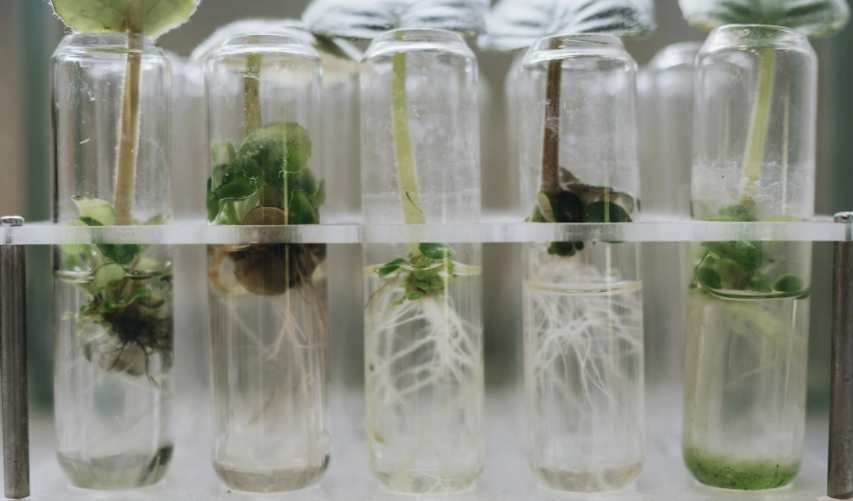
The plant roots sit in a nutrient solution filled with essential nutrients. This allows for faster plant growth and better control.
Because everything is controlled, growers can adjust nutrient levels, pH levels, and even electrical conductivity.
This creates a controlled environment where plants can thrive.
There are a few types of hydroponic systems. Some are liquid systems, like deep water culture or the nutrient film technique. Others are aggregate systems that use materials like coconut coir or rock wool.
Each method works a little differently, but the goal is the same. It is all about giving plants exactly what they need.
This makes hydroponic cultivation a great option in urban areas where space and arable land are limited.
Why People Are Getting Involved in Hydroponics
Urban Living and Space Issues
First of all, more people are living in urban areas and busy cities. This means less space for gardens and outdoor growing.
However, hydroponic systems make things much easier. You can grow fresh produce in small spaces, like a kitchen, shelf, or balcony.
Because of this, even people in urban centers can enjoy leafy greens and herbs at home.
Sustainability and Environmental Concerns
At the same time, people are more aware of the environment. Traditional farming uses a lot of water, but hydroponic farming uses far less water.
This makes it a great option for water conservation and resource efficiency.
It also reduces the need for chemicals, which lowers environmental impact. With climate change becoming a bigger concern, many people are turning to more sustainable practices.
Faster Growth and Higher Yields
Another big reason is how fast plants grow.
Since plant roots get nutrients directly from a nutrient-rich water solution, growth is often quicker.
This leads to higher yields and more fresh food in less time. For example, leafy greens can grow much faster than in traditional agriculture.
As population growth increases demand, this becomes more important.
Technological Advancements
Technology is also helping hydroponics grow.
New tools like data analytics and the Internet of Things make it easier to track plant growth and environmental conditions.
This means growers have more control and can get better results.
Even beginners can now use simple systems at home and still see success.
Health, Food Security, and Consumer Demand
More people now want fresh, clean food.
Hydroponics allows you to grow your own fresh produce at home. This helps improve food security and reduces the need for long supply chains.
As consumer demand grows, more people are starting to explore this way of growing.
Market Growth and Strategic Partnerships
Finally, the hydroponics industry is growing very quickly.
The global market is expanding, with strong growth in places like North America, Asia Pacific, and the United States.
Government support and new ideas are helping the industry grow even more.
As a result, hydroponics is becoming easier to access, and more popular every year.
Popular Hydroponic Crops
Some plants are a natural fit for hydroponic systems.
Leafy greens are one of the most popular choices. They grow quickly and are easy to manage.
Herbs like basil and mint also do very well. They are perfect for small indoor setups.
You can also grow strawberries, tomatoes, and peppers. These crops thrive in a controlled environment.
Popular Hydroponic Houseplants
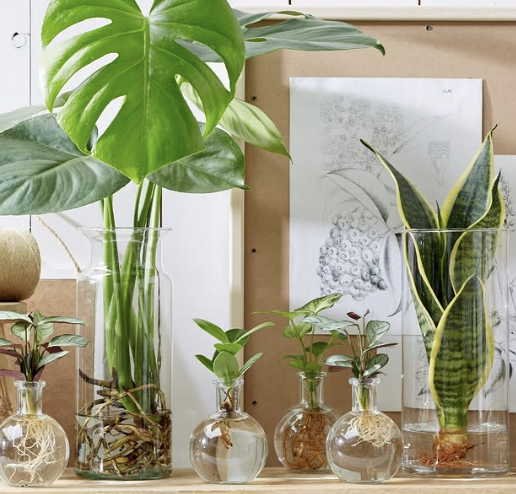
You absolutely can grow houseplants hydroponically, and it is easier than it sounds.
Instead of using soil, the plant roots sit in a nutrient solution. This gives them direct access to essential nutrients, which helps support healthy plant growth.
What houseplants do well
Many indoor plants adapt really well to this setup. Aloe vera, pothos, philodendron, spider plants, snake plants, and peace lilies are all great choices. These plants are already quite flexible, so they adjust to water-based growing with ease.
If you are just starting out, it is a good idea to keep things simple. You can begin with a cutting in water and let it grow roots. Then, over time, you can move to a more advanced hydroponic system.
That said, not all plants will enjoy this method. Some plants prefer dry soil and may not do as well. So, choosing the right plant is important.
Tips for Sucess
To succeed with growing houseplants hydroponically, it helps to keep things simple and consistent.
First, always use clean water and change it regularly to stop bacteria from building up. At the same time, add a proper nutrient solution so your plant gets the essential nutrients it would normally find in soil.
Next, make sure the plant gets enough bright, indirect light, as this supports steady growth. It also helps to keep an eye on the roots, as healthy roots should look firm and light in colour. If they look dark or soft, it may be a sign of too much water or poor conditions.
Finally, try to keep your plant in a stable environment with steady temperatures, as sudden changes can slow growth. With a little care and regular checks, your plants can grow strong and healthy in water.
Overall, it is a clean, simple, and fun way to grow houseplants. And once you get the hang of it, it can easily become part of your plant care routine.
Should You Try Hydroponics?
If you enjoy fresh food, hydroponics is worth trying.
You can start small with a simple system at home. Many beginners grow herbs or leafy vegetables first.
As you learn, you can expand into larger systems or even vertical farming.
It is flexible, and you can grow at your own pace.
Why Hydroponics Matters for the Future
Hydroponics is more than just a trend. It plays an important role in modern food production.
It helps improve food security by allowing people to grow food locally. This reduces pressure on global supply chains.
It also supports sustainable agriculture by using less water and fewer resources.
With population growth rising, we need smarter ways to grow food. Hydroponics offers one of the best solutions.
Hydroponics makes growing food feel more accessible.
It works in small spaces, uses less water, and supports faster plant growth.
So, whether you want a few herbs on your counter or a larger setup, it is a great place to start.
And honestly, once you try it, it is hard not to get hooked.
FAQs
What are the 5 disadvantages of hydroponics?
Hydroponics can have high setup costs. It also needs electricity and regular monitoring. System failures can affect plants quickly. It requires some learning at the start. Finally, it may not suit all crop types.
Is tap water ok for hydroponics?
Tap water can work, but it depends on quality. It may need adjusting for pH levels and nutrients.
Is hydroponics good for beginners?
Yes, it can be very beginner-friendly. Small systems are easy to use and a great way to learn.
What plants can you grow hydroponically?
You can grow leafy greens, herbs, strawberries, tomatoes, and peppers. These are the most popular choices.
What are three plants that are not recommended for hydroponics?
Large root crops like carrots, potatoes, and onions are not ideal. They need more space and soil depth.
Is hydroponics hard to do at home?
Not at all. Starting small makes it simple. With time, it becomes even easier to manage.