
You’ve been tending your bell peppers for weeks.
You’ve given it sun, water, and the best conditions for healthy growth. Now, the peppers are hanging from the branches, and you’re asking the big question: When is the best time to pick bell peppers?
Getting the timing right makes all the difference.
Pick too early, and you may end up with unripe bell peppers lacking sweetness. Wait too long, and you risk dark spots, pests, or losing your crop before the first frost.
The good news? With a few clear signs, you can harvest at peak flavor and get the most from your backyard garden.

If you’re new to growing peppers, our complete guide for home gardeners walks through varieties, care basics, and planting tips step by step.
Understanding Bell Peppers
Bell peppers (Capsicum annuum) are unique because they contain no capsaicin oil, the compound that makes hot peppers spicy. That’s why they’re part of the sweet pepper varieties group.
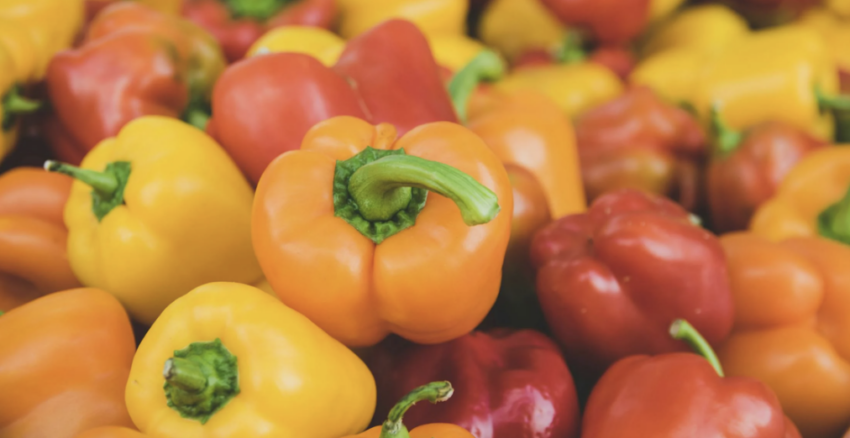
They come in a rainbow of colors, green peppers, yellow bell peppers, orange bell peppers, and red bell peppers.
They are packed with vitamin C and are a staple in kitchens worldwide.
Different colors offer different flavor profiles. Green bells are fresh and slightly grassy. Red bells are sweeter, with a deeper taste. Yellow and orange peppers are mild, fruity, and great for salads.
How to Grow Bell Peppers for Peak Results
For the best results, start with pepper seeds indoors about 6–8 weeks before the last frost. If you prefer an easier start, pick up starter pepper plants from a garden center. Plant them in well-draining soil with good air circulation.
Bell peppers need warm weather and good drainage to thrive. In cooler climates, it’s a good idea to start early so plants have a long growing season. Keep the soil evenly moist, but avoid soaking it, as delicate branches can suffer from disease in wet conditions.
Give your plants full sun and feed them regularly with a balanced fertilizer to encourage healthy plants and steady fruit production.
Why You Should Not Pick Bell Peppers Too Early
It may be tempting to harvest bell peppers as soon as they look big enough, but picking too early has a cost. Immature peppers often have a bitter taste and lack the natural sweetness that develops during the ripening process. Their skin may be thinner, and the flesh less juicy, which can make them less enjoyable to eat. Leaving peppers on the plant longer allows them to reach full size, improve in texture, and develop their best flavor. Patience pays off with bell peppers, as even a few extra days on the vine can make a noticeable difference in taste.
Signs It’s the Right Time to Pick Bell Peppers
Bell peppers can be harvested at different times depending on your flavor preference. The general rule of thumb is to wait until the peppers reach full size and have a firm texture.
- Size: Most bell peppers reach maximum size at 3–4 inches long, but this depends on the pepper variety. Check your seed packet for maturity dates.
- Color: Green peppers are technically unripe but still edible. As the ripening process continues, peppers change color from green to yellow, orange, or red, depending on the variety.
- Texture: A ripe bell pepper feels firm with smooth skin.
- Color Change: If you’re after sweeter peppers, leave them on the plant until they develop a bright color.
Green vs. Colored Bell Peppers
The majority of peppers start as green. Harvesting at this stage gives you green bell peppers that are fresh and crisp. If you leave them longer, they transform into yellow bell peppers, orange bell peppers, or red peppers.
Each stage has its own flavor:
- Green bells: Slightly bitter, high in vitamin C, excellent for cooking.
- Red bells: Sweeter peppers, richer flavor, great for raw dishes.
- Orange peppers and yellow bell peppers: Mild, fruity taste, perfect for salads and stir-fries.
Factors That Affect Harvest Time
Several environmental and plant health factors can change the timing of your harvest:
- Pepper variety – Some varieties take longer to reach full color.
- Current weather – Warm weather speeds ripening, while cooler conditions slow it.
- First fruits vs. later fruits – The first peppers may be ready sooner, while later ones take longer.
- Healthy plants – Stressed plants (from pests or disease) may produce smaller peppers or ripen early.
- Fewer fruits – If the plant is carrying less fruit, each pepper often grows larger and faster.
How Long Does It Take Bell Peppers to Ripen?
Most bell peppers are ready to pick 60–90 days after transplanting, depending on the variety of pepper. Green peppers are typically ready sooner, while red peppers can take a long time to fully develop color.
If you live in a colder climate, you may need to harvest green bells before the first frost to protect your crop. In ideal conditions, you can enjoy multiple harvests until early October or later in warmer zones.
How to Harvest Bell Peppers
Harvesting bell peppers is simple once you know the best way:
- Hold the pepper gently to avoid damaging delicate branches.
- Use a sharp knife or kitchen shears to cut the stem, leaving a bit of stem attached. This helps peppers store longer.
- Avoid pulling peppers by hand, as this can harm the plant.
The easiest way to encourage new growth is to keep harvesting regularly, especially during the peak flavor stage.
Storing Bell Peppers for Later Use
Fresh bell peppers can be stored at room temperature for a day or two but last longer in the refrigerator. Place them in a plastic bag in the crisper drawer for up to two weeks.
For longer storage:
- Slice and freeze for cooking later.
- Roast and store in oil.
- Dry and use in spice blends.
Freezing is a great way to preserve your harvest for later use, especially if you have a large backyard garden.
Common Harvesting Mistakes
- Picking too early – This can lead to underdeveloped peppers without peak flavor.
- Waiting too long – Overripe peppers may develop dark spots or lose firmness.
- Ignoring plant health – Watch for yellow leaves, pests, or disease that can affect fruit quality.
- Not considering next year – Saving seeds from ripe peppers can give you new plants for the following season.
Bonus Tips for the Best Bell Pepper Harvest
- Rotate your planting location each year to avoid soil-borne diseases.
- Support plants in windy areas to protect delicate branches.
- Prune any small peppers late in the season so the plant can focus on ripening the remaining fruit.
Delicious Ways to Use Bell Peppers
Once you’ve harvested your peppers at peak flavor, there are endless ways to enjoy them. Fresh bell peppers add crunch to salads and sandwiches. Roasted red peppers bring a smoky depth that works beautifully in pasta, pizza, or blended into creamy dips. You can sauté sliced peppers for fajitas, stir-fries, or omelets. Another great option is simmering them into homemade sauces, where their sweetness enhances the flavor. If you have a large harvest, freezing sliced peppers ensures you have a steady supply for soups, casseroles, and stews all winter long.
FAQ – Picking Bell Peppers
When is the best time to pick bell peppers?
When they reach full size and the desired color stage, depending on your flavor preference.
Do colored peppers taste better than green peppers?
Colored peppers are generally sweeter, while green bells have a fresher, slightly bitter taste.
Can I eat unripe peppers?
Yes, immature peppers are edible and often sold as green peppers in the grocery store.
How do I speed up the ripening process?
Keep plants in warm weather with good air circulation, and make sure they receive full sun.
Why are my peppers small?
Possible reasons include variety, environmental stress, or the plant setting too many fruits at once.
What’s the easiest way to harvest without damaging the plant?
Use a sharp knife or kitchen shears and leave a bit of stem attached.
The key to knowing when to pick bell peppers is understanding their ripening process and the right time for your taste. Whether you love the crisp bite of green peppers or the sweet flavor of red bells, timing your harvest is the secret to peak flavor.
With regular care, healthy plants, and attention to size and color, your own garden can produce a steady supply of vibrant, vitamin-rich peppers. And once you’ve tasted homegrown sweet peppers, you’ll know it was worth every day of the growing season.