
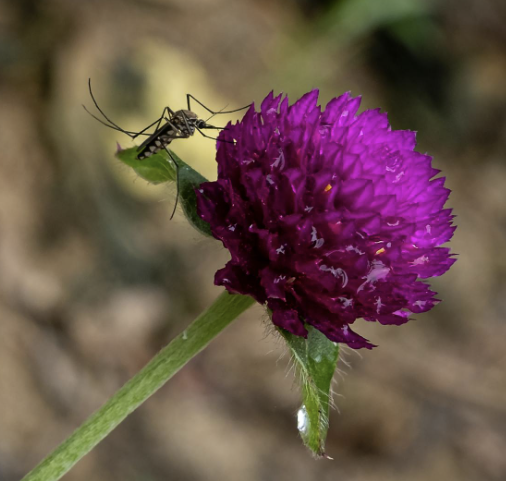
Mosquitoes can ruin any outdoor gathering.
While commercial bug sprays work, many people look for a more natural alternative.
The good news is that there are plenty of mosquito-repellent plants, essential oils, and natural methods that create effective mosquito control.
Many are low-maintenance plants that thrive in full sun, grow well in flower pots, and reward you with added bonus benefits such as culinary use or colourful blooms.
Here’s the ultimate list of 31 of the best plants to repel mosquitoes, with growing tips and why they work.
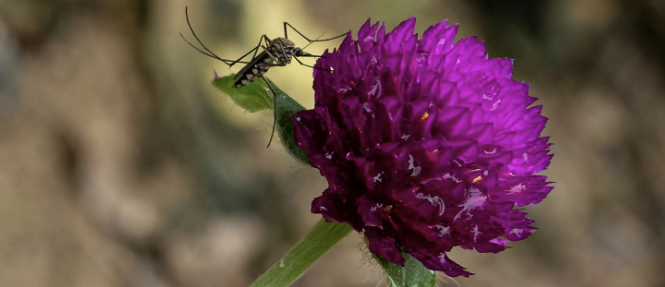
31 Mosquito-Repelling Plants for Your Garden
1. Lavender
The first plant is Lavender. Lavender plants have purple flowers and lavender oil, a natural mosquito repellent. The strong smell blocks mosquitoes from detecting carbon dioxide and warm bodies.
- Soil: Well-drained soil
- Water: Low to moderate
- Light: Full sun
2. Citronella Grass (Cymbopogon nardus)
Citronella oil from citronella grass is a strong mosquito repellent and a common ingredient in citronella candles.
- Water: Moderate
- Light: Full sun
- Soil: Good drainage, warmer weather
3. Basil
A popular herb and mosquito-repellent plant. Plant oils give off a strong smell that deters pesky bugs.
- Water: Regular
- Light: Full sun
- Soil: Moist, good drainage
4. Rosemary Plant
A perennial herb with active ingredients that repel mosquitoes, squash bugs, and other insect pests.
- Water: Low
- Light: Full sun
- Soil: Well-drained soil
5. Mint
Part of the mint family, it contains chemical nepetalactone, a natural insect repellent stronger than DEET in some studies.
- Water: Regular
- Light: Partial shade to full sun
- Soil: Moist soil, well-drained
6. Lemon Balm
A perennial herb with a lemon scent that mosquitoes dislike.
- Water: Moderate
- Light: Partial shade or sun
- Soil: Good drainage
7. Marigold
Annual flowers with pyrethrum, a natural insecticide used in insect repellents.
- Water: Moderate
- Light: Full sun
- Soil: Well-drained
8. Catnip
The mosquito plant with nepetalactone, a strong mosquito repellent and natural insecticide.
- Water: Moderate
- Light: Full sun
- Soil: Well-drained soil
9. Eucalyptus Tree
Eucalyptus oil is one of the most popular essential oils used as a natural mosquito repellent.
- Water: Low to moderate
- Light: Full sun
- Soil: Well-drained
10. Scented Geranium (Citronella Plant)
This flowering plant releases citronella oil, making it one of the best plants for patios.
- Water: Moderate
- Light: Full sun to partial shade
- Soil: Good drainage
11. Lemon Grass
A tall, grassy plant with a lemon scent that repels mosquitoes. Its plant oils contain citronella oil.
- Water: Moderate
- Light: Full sun
- Soil: Well-drained soil
12. Lemon Thyme
This popular herb has a strong lemon scent, a natural repellent for pesky mosquitoes.
- Water: Low
- Light: Full sun
- Soil: Good drainage
13. Bee Balm
This perennial plant has beautiful flowers and strong scents that keep annoying bugs away.
- Water: Regular
- Light: Full sun
- Soil: Moist, well-drained soil
14. Garlic
A natural insecticide with plant oils that repel mosquitoes and insect pests.
- Water: Moderate
- Light: Full sun
- Soil: Well-drained soil
15. Lemon Verbena
A mosquito-repellant plant with a strong lemon scent and fresh leaves used in teas.
- Water: Moderate
- Light: Full sun
- Soil: Good drainage
16. Pennyroyal
Part of the mint family, pennyroyal produces strong scents that repel mosquitoes.
- Water: Moderate
- Light: Full sun to partial shade
- Soil: Well-drained
17. Allium
These edible herbs produce a strong smell that mosquitoes avoid.
- Water: Moderate
- Light: Full sun
- Soil: Well-drained
18. Floss Flower (Ageratum)
Annual flowers with active ingredients that repel mosquitoes and other types of insects.
- Water: Moderate
- Light: Full sun
- Soil: Well-drained
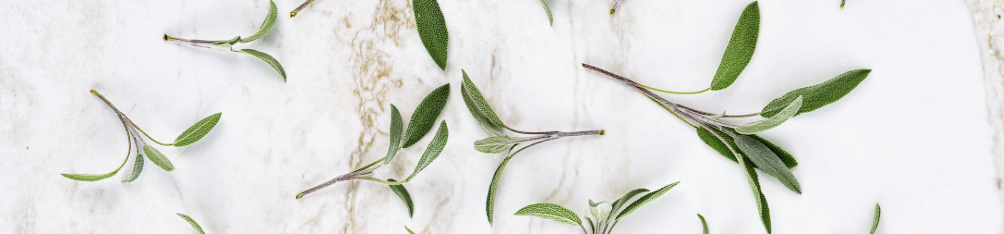
19. Sage
A culinary herb with plant oils that act as a natural mosquito repellent. Burning sage leaves also repels pesky mosquitoes.
- Water: Low to moderate
- Light: Full sun
- Soil: Good drainage
20. Thyme
This perennial herb releases strong scents that repel mosquitoes.
- Water: Moderate
- Light: Full sun
- Soil: Well-drained soil
21. Bay Laurel
A perennial plant with fresh leaves used for cooking and mosquito control.
- Water: Moderate
- Light: Full sun to partial shade
- Soil: Good drainage
22. Clove
The clove plant’s oils are active ingredients in many insect repellents.
- Water: Moderate
- Light: Full sun
- Soil: Moist, well-drained
23. Horsemint
A fast grower with a strong smell that masks carbon dioxide from warm bodies.
- Water: Moderate
- Light: Full sun
- Soil: Well-drained
24. Pitcher Plant
An insect-repelling plant that eats mosquito larvae and other pesky bugs.
- Water: High, prefers wet soil
- Light: Full sun
- Soil: Acidic, moist
25. Tansy
A flowering plant with a strong smell that deters insect pests.
- Water: Low
- Light: Full sun
- Soil: Well-drained soil
26. Wormwood
This perennial herb is a natural insecticide with strong mosquito repellent oils.
- Water: Low
- Light: Full sun
- Soil: Dry, well-drained
27. Chives
A delicious fresh herb with natural repellent qualities.
- Water: Moderate
- Light: Full sun
- Soil: Well-drained soil
28. Oregano
Another culinary herb that doubles as a natural repellent for insect pests.
- Water: Low
- Light: Full sun
- Soil: Well-drained
29. Peppermint
A low-maintenance plant with peppermint oil, a natural insecticide that repels mosquitoes.
- Water: Regular
- Light: Full sun to partial shade
- Soil: Moist, good drainage
30. Feverfew
This flowering plant produces active ingredients that repel mosquitoes and annoying bugs.
- Water: Moderate
- Light: Full sun
- Soil: Well-drained
31. Anise Hyssop
A perennial plant with beautiful blooms, strong scents, and a natural mosquito repellent effect.
- Water: Moderate
- Light: Full sun
- Soil: Well-drained soil
Other Natural Methods to Repel Mosquitoes
While planting mosquito-repellent plants is effective, you can increase protection with other natural methods.
Remove What Mosquitoes Love Most
Mosquitoes breed in standing water. Even small amounts matter.
- Empty saucers under pots every few days
- Change birdbath water twice a week
- Clear clogged gutters
- Tip over buckets, toys, and unused containers
This step alone can cut mosquito numbers fast.
Improve Airflow and Sun Exposure
Mosquitoes prefer still, shaded areas.
- Prune dense shrubs and hedges
- Thin crowded plants
- Open sunny patches where possible
Better airflow dries soil faster and makes spaces less inviting.
Use Mulch Carefully
Wet mulch can hold moisture and attract mosquitoes.
- Avoid thick, soggy mulch layers
- Let soil dry slightly between watering
- Use bark or wood mulch instead of fine compost
Dry surfaces discourage egg laying.
Use Essential Oils Strategically
Essential oils repel mosquitoes by masking the scents mosquitoes use to find people. They work best when used often and in the right way.
- Use lemon eucalyptus oil for the strongest effect
- Try citronella, lavender, peppermint, tea tree, or geranium oils
- Reapply oils often since outdoor conditions weaken them
- Dilute oils properly before spraying on surfaces or skin
- Combine oils with other mosquito control methods
When used correctly, essential oils can reduce bites but work best as part of a full garden plan.
Encourage Natural Predators
Nature helps if you let it.
- Add bird feeders or bird baths
- Avoid broad chemical sprays
- Keep small water features moving
Birds, frogs, and dragonflies eat mosquitoes.
Add Movement to Water Features
If you have a pond or fountain, keep water moving.
- Use a small pump or fountain head
- Add mosquito dunks with BTI bacteria
- Stock ponds with fish if appropriate
Moving water prevents breeding.
Use Garden Lighting Wisely
Mosquitoes are drawn to certain lights.
- Switch to warm LED bulbs
- Turn lights off when not needed
- Avoid bright white lights near seating
This reduces nighttime activity nearby.
Create a Smoke Barrier (Occasionally)
Smoke masks human scent.
- Burn citronella candles
- Use rosemary or sage in fire pits
- Try mosquito coils outdoors only
This works best during evening hours.
Dress and Time Matter Too
Mosquito activity peaks at dawn and dusk.
- Wear light-colored clothing
- Cover ankles and arms when possible
- Garden earlier in the day
This lowers bite risk without chemicals.
What to Avoid
- Overwatering plants
- Leaving compost too wet
- Relying on one method alone
- Strong chemical sprays that harm pollinators
Mosquito control works best with multiple small steps.
FAQ
What plants repel mosquitoes?
The best mosquito-repelling plants include citronella grass, lavender, basil, lemon balm, rosemary, and mint. These plants give off strong scents and plant oils that act as natural mosquito repellents. This helps reduce mosquito bites in your garden.
Do mosquito-repelling plants really work?
Yes, mosquito-repelling plants can help reduce mosquitoes in your outdoor space. Many plants release strong scents and plant oils, like citronella oil or peppermint oil, that act as natural insect repellents. While they may not stop every mosquito, they work best when planted in garden beds, flower pots, or near seating areas during mosquito season.
What’s the best natural mosquito repellent?
The best natural mosquito repellents include citronella grass, lavender oil, lemon balm, and basil. These plants and essential oils contain active ingredients that confuse mosquitoes.
These oils mask the smell of carbon dioxide and warm bodies, which normally attract these pesky bugs. Citronella candles and natural methods like peppermint oil sprays are also effective for outdoor gatherings.
How do I stop mosquitoes in my garden?
The key to mosquito control in your garden is using natural repellent plants with good maintenance. Remove stagnant water to prevent mosquito eggs, improve air movement, and use mosquito-repellent plants like rosemary, mint, and bee balm around seating areas.
For best results, pair these with natural methods such as essential oils or commercial bug sprays approved by the Environmental Protection Agency.

This list of plants shows that mosquito-repellent plants are a natural way to protect your outdoor space.
From perennial herbs like rosemary and lemon thyme to annual flowers like marigolds and floss flower, each plant brings added bonus value with beautiful blooms, fresh leaves, or culinary uses.
By combining these mosquito-repellant plants with essential oils and good garden care, you’ll create a more natural alternative to commercial bug sprays.
A mosquito-free yard full of beautiful flowers, edible herbs, and natural insect repellents is the best result and a perfect way to enjoy warmer weather without pesky bugs.
Want to add beneficial plants to your bedroom? Read our post on The 21 Best Plants For The Perfect Night’s Sleep and The 15 Best Houseplants for Improved Air Quality.