
If you’ve noticed your cactus spines turning brown, don’t panic. Brown spines don’t always mean your cactus is unhealthy or dying. In many cases, older spines naturally change colour, while new spines can also appear brown, red or pale before they mature.
However, brown spines can sometimes be linked to sunburn, poor drainage, excess moisture, pests, physical damage or disease.
The best way to work out what’s happening is to look at the entire plant, not just the spines. Check the cactus stem, base of the plant, soil and new growth for other signs of stress.
In this guide, we’ll look at the most common reasons cactus spines turn brown and the appropriate action to take for each problem.
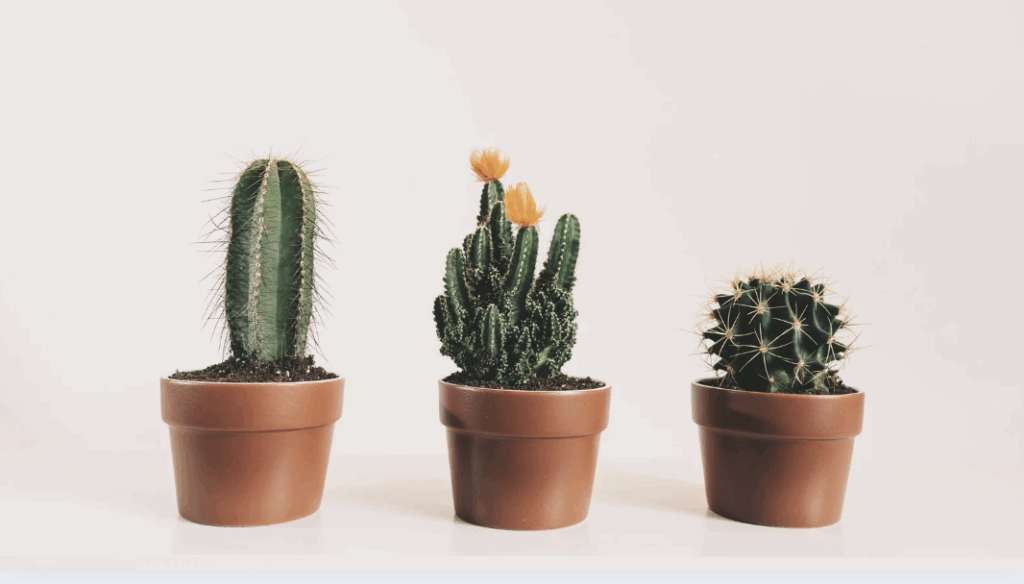
Why Are My Cactus Spines Brown?
The most common reasons for brown cactus spines include natural ageing, sunburn, physical damage, excess water, poor drainage, pests and fungal or bacterial problems.
Your cactus may also be reacting to environmental stress, such as a sudden change in light conditions, cold temperatures or insufficient light.
If only a few older spines are brown and the rest of the plant looks healthy, you may not need to do anything. However, brown spines combined with black spots, brown areas, soft tissue or signs of rot need closer attention.
Are Brown Cactus Spines Normal?
Yes, brown cactus spines can be completely normal.
Cactus spines don’t always stay the same colour throughout their lives. As a mature plant develops, older spines can become darker, duller or brown.
New spines can also appear brown, red, yellow or pale before developing their mature colour. This is particularly common in some types of cactus plants and desert cacti.
A good rule of thumb is to look at the health of the plant rather than focusing on one or two brown spines.
If your cactus has firm, healthy stems, normal new growth and no obvious signs of pests or rot, the colour change may simply be part of its natural growth.
How to Tell What Is Causing Brown Cactus Spines
Before changing your plant care routine, look closely at what is happening.
| What you notice | Possible cause |
|---|---|
| A few older brown spines | Natural ageing |
| New spines appearing brown or reddish | Normal new growth |
| Brown areas on the side facing the sun | Sunburn |
| Brown spines after the cactus was knocked | Physical damage |
| Brown spines with a soft cactus stem | Excess moisture or rot |
| Black spots or spreading brown patches | Disease or tissue damage |
| Small insects around the spines | Pests |
| Brown areas with webbing | Red spider mites |
| Softness around the base of the cactus | Possible root rot or stem rot |
This distinction is important because brown cactus spines are not always a problem that needs fixing.
Brown cactus spines aren’t the only problem that can affect succulents. If you’re dealing with another issue, take a look at my guide to common succulent problems for more simple fixes.
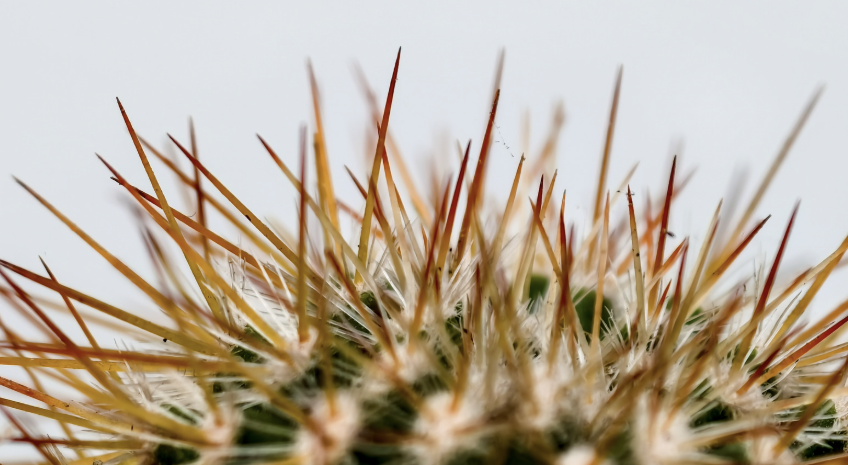
1. Your Cactus Spines Are Naturally Ageing
One of the simplest explanations is natural ageing.
As healthy cacti grow, older spines can become darker and develop brown or tan colouring. This is particularly common on a mature plant.
New growth can look different too. Depending on the species, new spines may emerge red, brown, yellow or almost white before changing colour as they mature.
If your cactus is otherwise healthy, has enough light and is producing new growth during the growing season, there is usually no reason to worry.
You don’t need to remove naturally aged spines. Good plant care is more important than trying to maintain the colour of individual spines.
2. Your Cactus Has Sunburn
Cacti are famous for growing in dry climates and sunny environments, but this doesn’t mean every cactus can suddenly cope with much direct sunlight.
Sunburn is particularly common when a new plant is moved from a lower-light environment into high-intensity sunlight.
For example, an indoor cactus that has spent months on a windowsill may become damaged if it is suddenly placed outside in full sun.
A sign of sunburn is often a brown, tan or pale patch on the side of the cactus receiving the most intense sunlight. These brown areas may eventually become dry and develop brown scars.
How to Prevent Cactus Sunburn
If you’re moving an indoor cactus into stronger light, give it time to adjust.
Start with a short period of brighter light and gradually increase exposure over several days or weeks.
A shade cloth can also help protect a recently moved cactus from harsh sunlight while it adjusts.
The goal isn’t necessarily to keep your cactus away from the sun. Many cacti plants need plenty of light to grow well. Instead, give your plant the right amount of sunlight for its species and gradually adjust its light conditions.
Unfortunately, sunburned tissue won’t usually return to its original colour. The best way to help the affected plant is to prevent further damage and encourage healthy new growth.
3. Your Cactus Has Been Physically Damaged
Cactus spines can become brown after physical damage.
Moving a cactus, brushing against it or knocking it against furniture can damage individual spines or parts of the cactus stem.
A damaged spine may dry out and become brown over a short period.
If the damage is limited to one or two spines and the rest of the cactus looks healthy, there may be no reason to worry.
Try to handle your cactus as little as possible. This is particularly important with plants that have delicate or easily damaged spines.
4. Poor Drainage Is Causing Excess Moisture
One of the biggest problems for indoor cacti is poor drainage.
Cacti are adapted to dry conditions, so their roots don’t need to sit in wet soil for long periods.
If your potting soil holds too much moisture, the roots may struggle to get enough oxygen. Over time, this can increase the risk of root rot.
A cactus growing in heavy soil may also take much longer to dry out after watering.
How to Improve Drainage
Use a well-draining soil or cactus-specific potting mix.
Your container should also have drainage holes so excess water can escape.
Avoid allowing your cactus to sit in water inside a decorative pot or saucer.
If you are making your own mix, materials such as perlite or pumice can help improve drainage and create more air space around the roots.
The aim is to give the cactus enough moisture to stay healthy without allowing excess moisture to remain around the roots.
5. You Are Giving Your Cactus Too Much Water
Overwatering is another common problem, particularly with indoor cacti.
A cactus stores water inside its tissues, so it can cope with periods of dryness. It doesn’t need a constant supply of water.
Following a strict watering schedule can sometimes lead to problems because your cactus doesn’t necessarily need the same amount of water throughout the year.
During the growing season, it may need water more regularly. During a non-active growth period, particularly when temperatures and light levels are lower, it may need considerably less.
How Much Water Does a Cactus Need?
Instead of asking how much water your cactus needs on a particular day, check the condition of the soil.
Allow the soil to dry out thoroughly before watering again. When you do water, give it enough to moisten the growing medium and allow the excess water to drain away.
Then leave the soil to dry before watering again.
This is a much better approach than watering every week or following a fixed calendar.
6. Your Cactus Has Root Rot
Brown spines alone aren’t a sign of root rot, but they can appear alongside other symptoms when the roots are struggling.
Root rot is often caused by excess water, poor drainage and soil that stays wet for too long.
Look at the base of the cactus and the cactus stem for other symptoms.
Signs of root rot can include:
- A soft or mushy cactus stem
- A dark or soft base of the plant
- Yellowing
- Brown or black areas
- Soil that stays wet for a long time
- An unpleasant smell
- Dark, mushy roots
If you notice these signs, take appropriate action quickly.
Remove the plant from its pot and inspect the roots. Healthy roots should be firm rather than soft and mushy.
Remove badly affected roots using a clean tool and repot the cactus into fresh, well-draining soil.
Avoid immediately giving a damaged cactus much water. First make sure the roots are healthy enough to absorb it.
7. Your Cactus Has Pests
Small pests can also damage cactus plants.
Common pests include scale insects, red spider mites and mealybugs. These pests feed on plant tissues and can cause discolouration and stress.
Look carefully around the spines, joints and less visible parts of the plant.
Signs of Pests
Look for:
- Small insects
- Fine webbing
- Sticky residue
- White cotton-like material
- Hard brown shell coverings
- Small brown spots
- Damaged or discoloured areas
Red spider mites are particularly small and can be difficult to see without looking closely. Fine webbing around the plant can be an important clue.
Scale insects can appear as small bumps attached to the cactus. Some have hard brown shell coverings that make them look like part of the plant.
How to Treat Cactus Pests
If you find pests, isolate the affected plant from your other houseplants.
For a small infestation, you can gently remove individual pests using a cotton swab.
Depending on the pest, insecticidal soap, horticultural oil or neem oil may also help. Always follow the product instructions and test treatments on a small area first.
A gentle stream of water can sometimes help dislodge pests, although you should avoid leaving the cactus wet for a long period.
The best way to control pests is to catch them early and inspect your plants regularly as a preventative measure.
8. Fungal Diseases and Bacterial Infections
Cacti can also develop fungal infections and bacterial infections, particularly when growing conditions are too wet or poorly ventilated.
Fungal diseases may cause brown or black patches that gradually spread across affected areas.
Bacterial infections can also cause tissue damage, discolouration and soft areas.
This is why it is important to distinguish between a naturally brown spine and a cactus that has developing brown patches across its stem.
If the cactus itself is becoming soft, dark or discoloured, don’t assume the problem is simply a change in spine colour.
Remove severely damaged parts of the plant if appropriate, improve airflow and make sure the cactus is not sitting in excess moisture.
Keeping your cactus in a well-ventilated area can help reduce problems associated with high humidity and poor airflow.
9. Insufficient Light Can Stress Your Cactus
Although too much intense sunlight can cause sunburn, insufficient light can also cause problems.
Cacti need enough light to maintain healthy growth. If an indoor cactus is kept too far from a window, it may become weak or develop stretched growth.
Look at your plant’s light conditions before changing its watering routine.
If your cactus is growing slowly, becoming stretched or losing its usual shape, it may need more light.
However, don’t move it directly from a dark room into harsh sunlight. Increase the light gradually to reduce the risk of sunburn.
10. Cold Temperatures Can Cause Damage
Cacti are often associated with hot environments, but different species have different temperature requirements.
Very cold temperatures can cause environmental stress and damage plant tissue, particularly if the cactus is exposed to cold and wet conditions at the same time.
If you keep indoor cacti near a cold window during winter, check that the plant isn’t being exposed to unusually low temperatures.
Avoid placing a cactus directly next to cold draughts or leaving it outside during unsuitable weather.
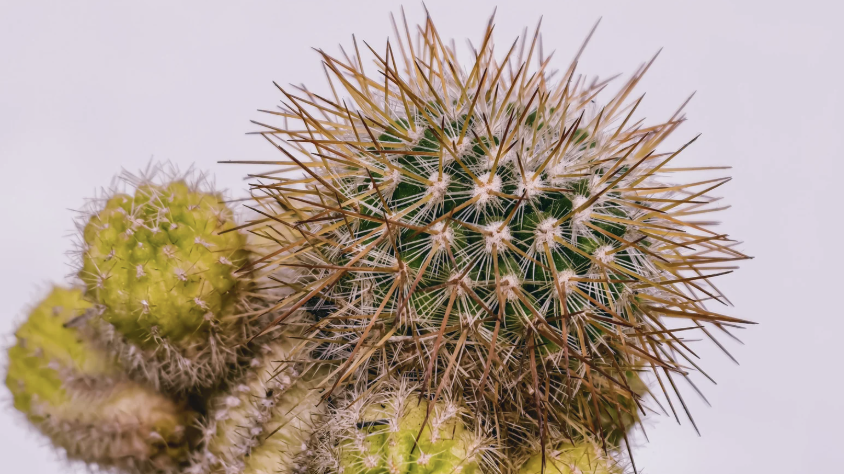
Can Brown Cactus Spines Turn Green Again?
Usually, no.
Once an individual spine has naturally aged or been damaged, it generally won’t return to its original colour.
However, this doesn’t mean your cactus is unhealthy.
If the brown colour was caused by sunburn, physical damage or ageing, the damaged spines may remain brown permanently. The good signs to look for are healthy stems, new growth and normal development.
Focus on giving the cactus the right care rather than trying to change the colour of old spines.
Should I Remove Brown Cactus Spines?
You don’t normally need to remove brown cactus spines.
If a spine has naturally aged, removing it won’t improve the health of the plant. The same applies to an individual spine that has been slightly damaged.
If, however, you have a serious fungal issue, bacterial infection or stem rot affecting the cactus itself, removing damaged plant tissue may sometimes be necessary.
Don’t remove healthy tissues simply because a spine has changed colour.
How to Keep Your Cactus Healthy
The best way to prevent brown spines and other cactus problems is to provide consistent care that matches the plant’s natural environment.
Cacti have adapted to some very different environments around the world, which helps explain why they often prefer bright light and fast-draining soil. You can learn more about their natural environments in my guide to where succulent plants are found in nature.
Give your cactus enough light
Most cacti need plenty of light. Find out how much light your particular species needs and provide the appropriate amount.
Use well-draining soil
A fast-draining potting mix helps prevent excess water from remaining around the roots.
Use a pot with drainage holes
Drainage holes allow excess water to escape and reduce the risk of root rot.
Allow the soil to dry
Don’t water according to a strict schedule. Check the soil and consider the season, temperature and light conditions.
Avoid excessive humidity
Some cactus species can cope with higher humidity levels, but consistently humid environments combined with wet soil can increase the risk of fungal problems.
Good airflow is particularly useful when growing cactus plants indoors.
If you’re growing succulents in a bathroom, remember that higher humidity can affect how quickly the soil dries out. You can also see my guide to the best succulents for bathrooms for varieties that can cope with these conditions.
Inspect your plants regularly
Check for pests, brown patches, black spots and changes to new growth. Early detection makes it much easier to take preventative action.
When Should You Worry About Brown Cactus Spines?
A few brown spines on an otherwise healthy plant aren’t usually a reason to panic.
However, you should investigate further if you notice:
- Black spots
- A soft or mushy cactus stem
- Brown areas that continue spreading
- A soft base of the plant
- Signs of rot
- An unpleasant smell
- Visible pests
- Sudden yellowing
- Severe wilting
- Damaged roots
- A sudden change in new growth
If your cactus is firm, receiving enough light and producing healthy new growth, a few brown spines may simply be part of its natural development.
Frequently Asked Questions
Why are my cactus spines turning brown?
Cactus spines can turn brown because of natural ageing, sunburn, physical damage, excess moisture, pests or disease. Look at the entire plant to determine whether the browning is normal or linked to a problem.
Can cactus spines turn brown naturally?
Yes. Older spines can naturally become brown as they age. New spines can also appear brown, red or pale before developing their mature colour.
Do brown cactus spines mean my cactus is dying?
No. Brown spines alone aren’t a sign that your cactus is dying. If the cactus stem is firm and the plant is producing healthy new growth, the colour change may be completely normal.
Can too much sunlight turn cactus spines brown?
Too much intense sunlight can cause sunburn, particularly when a new plant is suddenly moved into full sun. Gradually introduce cacti to high-intensity sunlight to help prevent damage.
Can overwatering cause brown cactus spines?
Overwatering can contribute to root rot and other problems that affect the health of the cactus. Brown spines alone aren’t enough to diagnose overwatering, so look for other signs such as soft tissue, brown areas or excess moisture in the soil.
Can cactus spines grow back after turning brown?
A brown spine won’t normally return to its original colour. However, a healthy cactus can continue producing new spines and new growth.
Should I remove brown cactus spines?
Usually, no. Naturally aged or slightly damaged spines don’t need to be removed. Focus on correcting the underlying problem if the cactus itself is showing signs of damage.
Why are my new cactus spines brown?
New spines can naturally emerge in brown, red, yellow or pale shades. They may change colour as they mature, depending on the cactus species.
What is the best soil for cactus plants?
Cactus plants generally need a well-draining growing medium that doesn’t hold excess moisture around the roots. A cactus or succulent potting mix can be a good starting point.
To Summarise
Brown cactus spines aren’t always a sign that something is wrong. Older spines can naturally change colour, while new spines may emerge brown before developing their mature appearance.
However, brown spines can sometimes appear alongside sunburn, poor drainage, excess moisture, pests, fungal diseases or bacterial infections.
The best way to work out what is happening is to look at the entire plant. Check the cactus stem, base of the cactus, soil, roots and new growth for other signs of stress.
With the right care, suitable light conditions, well-draining soil and a sensible watering routine, most healthy cacti can continue to grow well for years.
The colour of one or two cactus spines is rarely the whole story. Look at the plant as a whole, identify the underlying cause and then take the appropriate action.