
If you love gardening, you already know that great plants start with great soil.
What you might not see is the busy community living under the ground. Deep in your garden soil, tiny creatures are working day and night to keep your plants healthy, and soil mites are some of the hardest workers of all.
These tiny creatures keep the soil healthy by breaking down dead plants and returning nutrients to the earth.
They may be small, but their impact on plant growth and soil fertility is huge.
In this guide, you’ll learn what soil mites are, how to recognise them, the different types of soil mites, and how to keep them working for you, not against you.
Healthy soil teeming with life, including soil mites, means fewer chemical treatments, better plant growth, and stronger root systems. If your soil looks alive, that’s a good sign!
What Are Soil Mites?
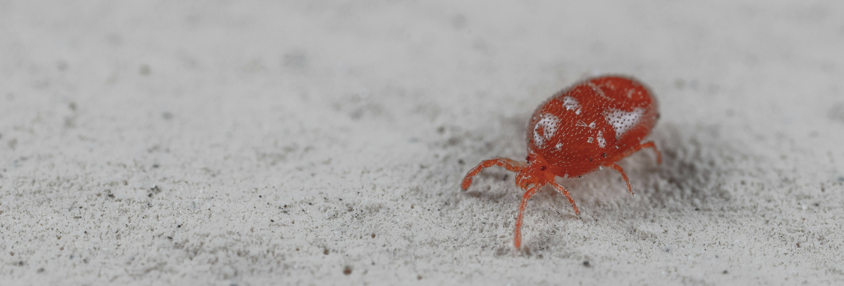
Soil mites are tiny creatures that live in the soil surface and deeper layers of your garden beds, pots, and compost bin.
They belong to the Arachnid family, making them relatives of spider mites, though they behave very differently.
There are thousands of soil mite species worldwide. They are some of the most abundant arthropods in any soil environment.
Most are too small to see with the naked eye, but their small size hides their big impact on soil fertility and soil quality.
Symptoms of Soil Mites
Soil mites are usually harmless, but it helps to know the signs of their presence.
You might notice:
- Tiny white, brown, or red dots moving slowly on the soil surface.
- A small cluster of movement near the soil line or in damp areas.
- Extra activity around decaying plant matter, leaf litter, or compost.
- Sometimes, a thin layer of fine dust or debris from their soil communities.
These are normal signs of life in healthy soil. They usually don’t cause pest damage to plants.
Susceptible Plants & Parts
Soil mites don’t usually attack plants, but they do prefer certain soil environments:
- Potted indoor plants with heavy moisture and organic buildup.
- Outdoor plants with compacted or rich garden soil full of decaying organic matter.
- Areas around the roots or the soil surface where they feed on fungus and decomposing debris.
The parts most affected are usually the soil, root zone, and top layer of compost, not the leaves or stems.
Why Soil Mites Are Important
Soil mites have a vital role in your garden. They help with the breakdown of organic matter, support the decomposition process, and improve soil structure and soil aeration.
They also play a crucial role in nutrient cycling, turning decaying organic matter and plant matter into nutrients that feed your plant roots.
Many are natural predators, feeding on insect larvae, fungus gnats, or even root aphids, helping with pest control and pathogen control. Their presence of soil mites often means your soil is active, alive, and full of energy.
How to Recognise Soil Mites
If you look at the soil line near your outdoor plants or in potting soil, you might notice tiny white or red dots moving slowly. Those could be white soil mites or red soil mites.
You’ll often see them where soil moisture is balanced and there’s plenty of decaying organic matter or leaf litter.
The easiest way to observe them is by scooping a bit of soil into a clear container. Hold it under light, and you may notice movement. These little soil animals are usually harmless and part of a healthy soil system.
Types of Soil Mites
There are many types of soil mites, and each one plays a different role in the garden ecosystem. Here are some of the most common soil mites you might encounter:
1. Oribatid Mites (Moss Mites)
Known as moss mites, these slow-moving decomposers feed on decaying organic matter and fungi. They’re key players in the natural decomposition of organic matter and the breakdown of organic material. Their work helps improve soil fertility and supports soil structure.
2. Mesostigmatid Mites
These are predatory soil mites. They hunt other tiny pests like fungus gnats, root aphids, and insect larvae. Because of their predatory nature, they’re useful in natural pest control and often seen as natural predators in mite communities.
3. Prostigmatid Mites
This type of mite includes both predators and plant feeders. Some help control pest populations, while others may nibble on plant roots if conditions shift. Keeping your soil moisture and soil temperature balanced helps maintain healthy mite populations.
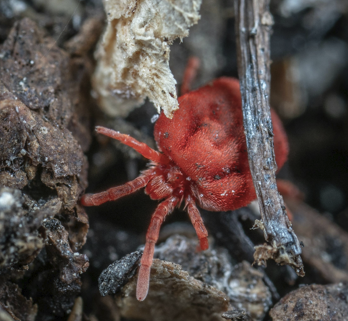
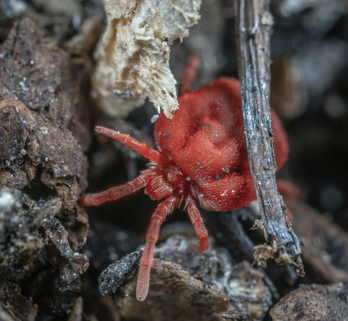
4. Red Velvet Mites
These bright, red soil mites live closer to the soil surface and are larger than most other species. They feed on small insects and soil debris, making them helpful for pest control and reducing pest damage around vegetation cover.
Supporting Healthy Soil Mite Communities
To support the value of soil mites, focus on maintaining good soil environments. Add compost or leaf litter to encourage the breakdown of organic matter. Keep soil moisture steady, and avoid chemical pesticides, which can harm mite populations and other soil organisms.
If you need to manage too many mites, use preventive measures instead of harsh treatments.
Try diatomaceous earth, a natural option that reduces large numbers of mites safely. For a gentle clean-up, rinse the soil with warm water and a bit of hydrogen peroxide.
You can also consult a pest control expert for advice.
Why Gardeners Should Care About Soil Mites
Soil mites show the highest value when it comes to soil health. Their life cycles, species richness, and species composition change with abiotic factors like soil temperature, soil compaction, and heavy metals. They help larger systems work better, from decomposition to plant growth and even the control of dangerous soil-dwelling animals.
Seeing significant differences in your soil’s texture, smell, or total metal loads may signal changes in your mite communities. Observing them is the first step in understanding your soil’s balance and overall soil quality.
Pros and Cons of Having Soil Mites in Your Garden
The Pros: Why Soil Mites Are a Good Thing
- They boost soil health.
Soil mites help with the breakdown of organic matter and natural decomposition of organic material. This supports nutrient cycling and improves soil fertility, creating healthy soil that feeds your plants. - They improve soil structure.
As soil mites move through the soil surface, they help with soil aeration and reduce soil compaction. This lets air and water move more freely to your plant roots. - They support the soil food web.
Soil mites are an important link in the soil food web, serving as a food source for other soil animals and larger organisms like beetles and centipedes. This boosts overall species richness and species composition in your garden soil. - They help control pests.
Predatory soil mites such as mesostigmatid mites and some prostigmatid mites feed on root aphids, fungus gnats, and other harmful insects. They act as natural predators, giving you a form of pathogen control without chemical pesticides. - They indicate healthy soil environments.
The presence of soil mites usually means your soil has good moisture, plenty of decaying organic matter, and active microbial life. All signs of a thriving garden.
The Cons: When Soil Mites Become a Problem
- They can multiply in large numbers.
In damp or overfed compost bins or potting soil, mite populations can explode. This often happens when there’s too much decaying plant matter or excess food waste. - Some can become minor pests.
While most species are harmless, a few types of soil mites (especially certain prostigmatid mites) may feed on plant roots or spread to indoor plants, especially if the soil moisture stays high. - They may attract other insects.
In rare cases, heavy mite activity can draw in insect larvae or small scavengers that feed on the same materials, especially if soil debris piles up near the soil line. - They can be mistaken for harmful mites.
Spider mites and red soil mites look similar at first glance. Gardeners might worry when they see movement, even though most soil mites are not damaging to plants.
What to Do If You Have Too Many Soil Mites
If you think you have large numbers of soil mites, the easiest way to manage them is to balance your soil conditions:
- Let the soil dry slightly between waterings.
- Remove excess leaf litter or plant matter from the surface.
- Use diatomaceous earth around the soil line for a natural control method.
- Rinse the area with warm water and hydrogen peroxide to reset the soil environments if needed.
If things don’t improve, try a gentle rinse using hydrogen peroxide. I
t’s a safe, natural way to refresh your soil and manage pest issues. You can read more in my hydrogen peroxide plant care guide
If things don’t improve, you can always reach out to a pest control expert for guidance.
Ways to Prevent a Soil Mite Attack in the Future
Prevention is easier than treatment. Try these preventive measures:
- Use clean, high-quality potting soil.
- Avoid adding unbroken plant matter or raw compost directly to pots.
- Keep soil environments balanced with the right mix of air, water, and organic material.
- Mix in leaf litter or compost for better soil structure, but don’t overload.
- Check your outdoor plants in early spring when mite communities are most active.
Good airflow and moderate watering go a long way.
Healthy soil is one part of natural pest control. Pair it with the right mosquito-repelling plants for an even healthier, balanced garden ecosystem. See my list of plants that repel mosquitoes.
Top Facts About Soil Mites
- Soil mites are some of the most abundant arthropods in the world.
- There are thousands of soil mite species, including oribatid, mesostigmatid, and prostigmatid mites.
- They play a crucial role in nutrient cycling and soil fertility.
- Most feed on fungi, bacteria, and decaying organic matter.
- Their presence signals good soil health and soil quality.
- Healthy mite populations mean better plant growth and stronger soil food webs.
- FAQ: Common Questions About Soil Mites
FAQ
What are the benefits of soil mites?
They improve soil health, boost soil fertility, and help with the breakdown of organic matter. Many are also natural predators that control pests like fungus gnats and root aphids.
What do soil mites eat?
They feed on decaying plant matter, fungi, algae, and microorganisms. Some predatory mites eat insect larvae and other small pests.
How long do soil mites live?
Most live from a few weeks to several months, depending on soil temperature and moisture. They reproduce quickly in balanced soil environments.
Are soil mites harmful to plants?
No. Most types of soil mites help plants by improving soil structure and supporting the decomposition process. Only a few rare species nibble on plant roots, and even then, they cause very little harm.
What are the different types of soil mites?
The main types of soil mites are:
- Oribatid mites (moss mites) – slow decomposers that feed on fungi.
- Mesostigmatid mites – predatory soil mites that control pests.
- Prostigmatid mites – mixed feeders that can be beneficial or neutral.
- Red velvet mites – colorful, surface-dwelling predators.
How do you get rid of soil mites?
If needed, reduce soil moisture, clean up organic debris, and add diatomaceous earth. Use insecticidal soap or hydrogen peroxide for gentle cleanup. Keep things dry between watering.
What’s the difference between soil mites and springtails?
Soil mites are slow-moving tiny arthropods with eight legs.
Springtails are small, soft-bodied insects with six legs that jump when disturbed. Springtails thrive in damp soil and feed on fungi, while soil mites work deeper in the soil food web.
Can soil mites infest your house?
Not really. Soil mites prefer garden soil and outdoor plants. They may wander onto surfaces near houseplants, but they won’t infest your home or harm furniture or humans.
Will soil mites kill my plant?
No. Soil mites don’t kill plants. Their important role in decomposition actually helps your soil stay rich and balanced, which encourages plant growth.
Can soil mites bite humans?
No. Soil mites don’t bite or sting people. They’re completely harmless and stay focused on decaying organic matter in the soil.
Do soil mites mean my soil is too wet?
Not always. Soil mites often show up when there’s plenty of decaying organic matter or leaf litter. While they like moist soil environments, too much soil moisture can cause their numbers to rise. Keep your garden soil slightly damp but never soggy, and they’ll stay in balance.
Can soil mites live in potting soil?
Yes, they can. Many types of soil mites live happily in potting soil, especially if there’s organic material like compost or peat. They help with the breakdown of organic material and improve soil structure, which is great for plant roots and plant growth.
Are red soil mites the same as spider mites?
No. Red soil mites are usually helpful soil organisms that feed on small insects or soil debris, while spider mites are plant pests that damage leaves. Red soil mites live mostly in or on the soil surface, not on leaves or stems.
How can I naturally reduce soil mite populations?
The easiest way is to remove extra plant matter, keep the soil line clean, and avoid overwatering. If you need more help, try diatomaceous earth or a light rinse with warm water and hydrogen peroxide. These methods help without harming your soil health or beneficial soil animals.
Are soil mites affected by temperature or soil type?
Yes. Soil temperature, soil compaction, and other factors can affect mite communities. Most soil mite species thrive in warm, moist, and rich soil environments with good vegetation cover.
Soil mites are small but mighty partners in every garden. Their important role in the soil food web connects everything, from plant matter to larger animals.
When you take care of your garden soil, you also support these tiny creatures that make your plants stronger and your soil more alive.
So next time you dig into your soil, remember that these tiny arthropods are working hard below the surface, making your garden bloom from the ground up.