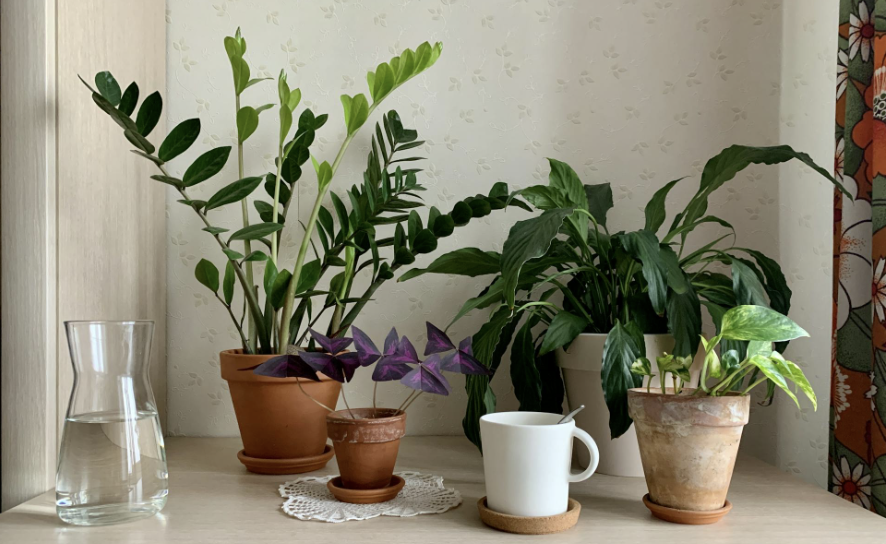
When your ZZ plant begins to droop or turn yellow, the problem often starts in the soil. Choosing the right potting mix is the most important step to keeping this hardy plant strong.
ZZ plants are known for their glossy leaves and tolerance of low light, but they still need soil that meets their special needs.
In this post, you’ll learn how to choose the best soil for ZZ plants, why it matters, and how to tell when your mix is wrong.
You’ll also find simple care tips to help your Zamioculcas zamiifolia thrive year-round.
If you are new to plants and struggling with soil, read my post The Beginners Guide To Understanding Soil.
Understanding the Needs of ZZ Plants
ZZ plants, also known as the Zanzibar Gem or Eternity Plant, come from the dry, rocky regions of Eastern Africa.
In their natural habitat, they grow in well-draining, loose soil that lets water escape quickly. Their thick, underground rhizomes store moisture to survive long dry periods.
This means the ZZ plant’s biggest enemy indoors is too much water. Soil that stays soggy leads to root rot, fungus, and soft stems. On the other hand, soil that drains fast keeps the root system healthy.
The goal is to use a mix that’s both airy and fast-drying, with small spaces for oxygen to reach the roots.
Choosing the Perfect Potting Mix
The best soil for ZZ plants balances water retention and drainage. A heavy mix traps water. A sandy mix drains too fast. The ideal soil should do both, hold some moisture without staying wet.
A good starting blend is:
- cactus or succulent mix (1:1)
- perlite, pumice, or lava rock (1:1)
- peat moss or coco coir (1:1)
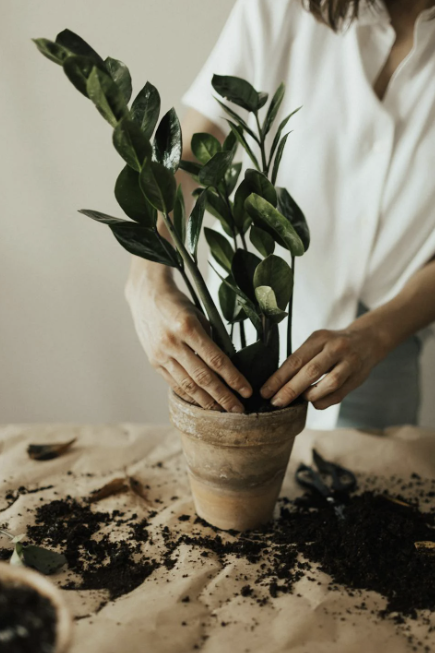
This combination gives your ZZ the texture it needs.
The succulent mix provides nutrients and structure, while perlite or lava rock improves airflow. Peat moss helps keep a touch of moisture near the roots between waterings.
If you prefer ready-made options, choose a well-draining soil mix designed for succulents or tropical plants.
Always check the label for ingredients like perlite, sand, or bark. These improve drainage and prevent compacted soil.
Avoid using heavy potting soil alone. It often holds excess moisture and leads to root rot or fungal diseases.
Why Drainage Is Everything
ZZ plants rely on their water-storing rhizomes to survive. When soil drains poorly, those rhizomes absorb too much water and start to rot. Once that happens, the plant struggles to recover.
To prevent this, always use pots with drainage holes. Place a small layer of lava rock or pool builders stone at the bottom for extra flow.
If your plant is sitting in a nursery pot, ensure it’s not trapped inside a decorative container without holes. Standing water in the base can cause soft roots, yellow leaves, and eventually brown spots on stems.
A good rule of thumb is that the top 1–2 inches of soil should dry out before watering again.
How to Tell if Your Soil Isn’t Right
Soil problems often show in the leaves and roots before the plant completely declines. Here’s how to recognize when your soil needs attention:
- Yellow leaves: The most common sign of excess water or compact soil.
- Soft stems: Usually linked to soggy soil and early root rot.
- Brown spots: May point to fungal issues from trapped moisture.
- Slow or no new growth: Often means the soil is too dense for oxygen to reach the roots.
- Moldy surface or fungus gnats: Signs of constant moisture or poor airflow.
When you notice these signs, check the soil line and texture. If it feels heavy or stays wet for days, your plant needs a better mix.
Worried about what else is killing your plant? Read my post on The Devastating Mistakes Killing Your ZZ Plant (And How to Avoid Them).
Repotting for Strong Roots
Repotting every two to three years keeps soil fresh and prevents compaction. The best time to repot is during the growing season, spring or early fall.
Choose a new pot that’s 1–2 inches larger than the current one. Always make sure it has drainage holes.
To repot:
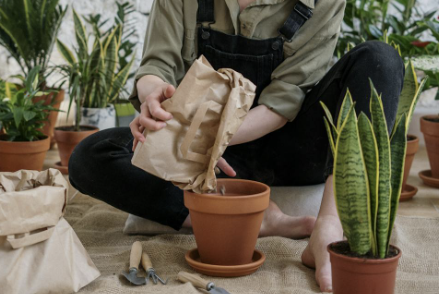
- Gently remove the plant from its pot and shake off old soil.
- Inspect the rhizomes and roots for any soft or dark spots. Trim damaged parts using clean scissors.
- Fill the bottom of the new pot with your chosen soil mix.
- Place the root ball in the center and fill around it, leaving about an inch of space below the rim.
- Water lightly to help the mix settle.
Avoid overwatering right after repotting, a light drink is enough. The roots need time to adjust to their new home and absorb nutrients slowly.
Essential Care Tips for Healthy Soil
Once your ZZ plant is set in the right soil, proper care keeps it thriving. Follow these simple steps to maintain balance:
- Light: Place in bright, indirect light. Too much direct sunlight can cause brown spots or fading leaves.
- Water: Water every 2–3 weeks, depending on your climate. Always check the top inch of soil first.
- Humidity: ZZ plants tolerate low humidity, but avoid placing them near air vents or cold drafts.
- Temperature: Keep them in a stable environment between 65°F and 80°F (18–27°C).
- Cleaning: Wipe the leaves occasionally to remove dust. This helps the plant absorb more natural light.
If you see small insects like fungus gnats, it could mean your soil is too wet. Let it dry and treat the top layer with neem oil or a weak solution of insecticidal soap.
What Type of Soil Is Best for Different Environments
If your home is humid or has low airflow, use a grittier mix with more perlite or pumice. This reduces moisture retention and improves air movement around the roots.
For dry homes or areas with low humidity, increase the organic matter slightly by adding extra peat moss or coco coir. This helps retain some moisture without becoming soggy.
In either case, avoid any mix that feels heavy or stays compact when squeezed. Healthy soil for ZZ plants should crumble easily and feel airy.
Soil Additives for Better Drainage
You can boost your soil mix with a few helpful additives:
- Perlite: Lightweight and improves airflow.
- Lava rocks: Add texture and prevent compaction.
- Sand (coarse): Enhances drainage in dense soil.
- Activated charcoal: Keeps the mix fresh and reduces odors from excess moisture.
A blend of these ensures proper drainage, prevents excess water, and supports strong root systems.
Signs Your ZZ Plant Loves Its Soil
When your plant is happy with its soil, you’ll notice steady improvements:
- New shoots appear during the growing season.
- Leaves stay firm, glossy, and deep green.
- The plant stands upright and feels balanced.
- No musty smells or visible mold.
Healthy soil means a healthy ZZ plant. The mix under your plant matters as much as the light above it.
Choosing the best soil for your ZZ plant is simple once you understand its natural needs. Think of it as a recipe for balance, airy, loose, and fast-draining, yet with enough structure to hold gentle moisture.
A well-draining mix made from cactus soil, perlite, and peat moss supports healthy roots, bright new leaves, and long-term growth. Pair that with a pot that allows excess water to escape, and your Zamioculcas zamiifolia will reward you with years of easy care.
With the right foundation beneath it, the Zanzibar Gem becomes one of the most forgiving and beautiful indoor plants you can own.