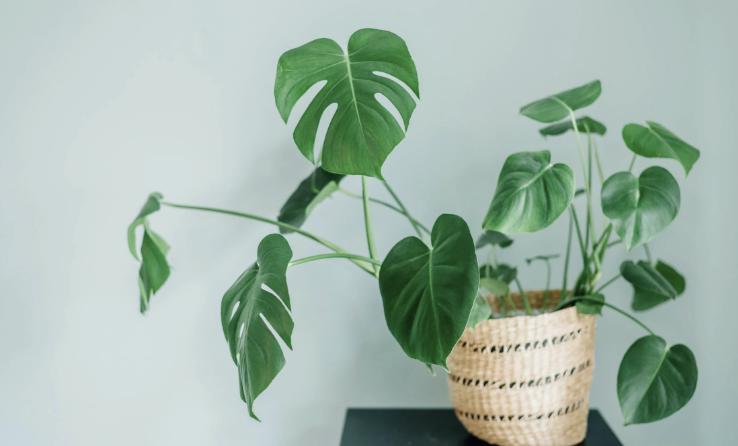
Monstera plants always seem to be the first plant in anyone’s plant collection. Their dramatic leaves create a calm feeling, and their tropical roots give them a bold look.
This guide will help you grow a thriving plant with simple steps to get the best out of your plant.
Types of Monstera You Can Grow
Here are the most well-known types you can grow at home. These types offer different shapes, sizes, and leaf styles. They all grow well indoors with proper care.
1. Monstera Deliciosa
This is the most popular type. It has large leaves, deep splits, and a bold shape and gives the room a tropical look and fits many decor styles. It grows fast in the growing season and responds well to a moss pole.
2. Monstera Adansonii
People love this smaller plant for its long leaves and many holes. This type works well in hanging planters or climbing poles. It enjoys a humid environment and bright indirect light.
3. Monstera Peru
This type has leathery leaves and strong veins. It grows slower and has a deep green color. It’s a great plant for collectors.
4. Monstera Thai Constellation
This beauty has creamy variegation across the leaves. It needs stable conditions, bright light, and careful watering. Many plant lovers treat it as a specimen plant in their home.
5. Monstera Siltepecana
It has smaller leaves and a silver pattern. It climbs well and offers a unique texture among tropical house plants.
These types bring variety and visual interest to your home. You can create a mixture of plants for more depth and color.
Where To Put Your Monstera
Location plays a huge role in your plant’s growth. Monstera plants love a space that feels like their natural environment. A space that allows for a trellis helps your Monstera grow upward and stay balanced as it matures.
Light
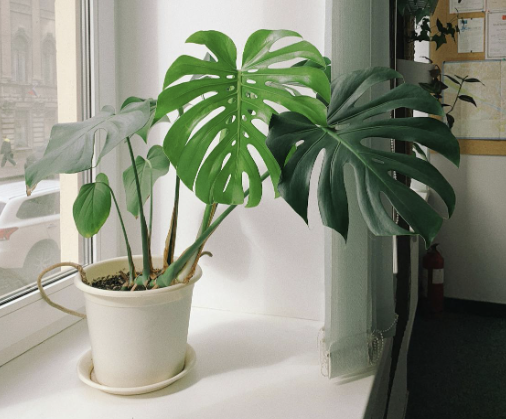
Give your plant bright indirect light. This is the best way to support healthy growth and new leaves.
Too much light can create brown tips.
Too little light reduces new growth and causes leggy stems.
A spot near a dining room window, living room window, or a place with filtered sun works well.
A grow light helps in lower light conditions. Many plant owners use grow lights in the winter months to keep strong growth.
For more help on low, medium, and bright light, signs of stress, grow lights, and other care tips, read my post on Monstera Plant Care Light: A Simple Guide for Healthy Growth.
Temperature
Warm temperatures support the plant’s growth cycle. Aim for 18–29°C. Avoid cold drafts. Stable temperatures help the plant settle into its new home.
Humidity
High humidity brings the best results. These plants come from a humid environment. They grow well with 60% humidity or more. Use a humidifier, pebble tray, or group plants together to raise humidity levels.
Air Flow
Good air flow helps prevent common pests like spider mites and fungus gnats. Place the plant in a space with gentle movement of air.
Watering Your Monstera
Many common problems come from too much water. Excess water blocks oxygen from reaching the roots of the plants.
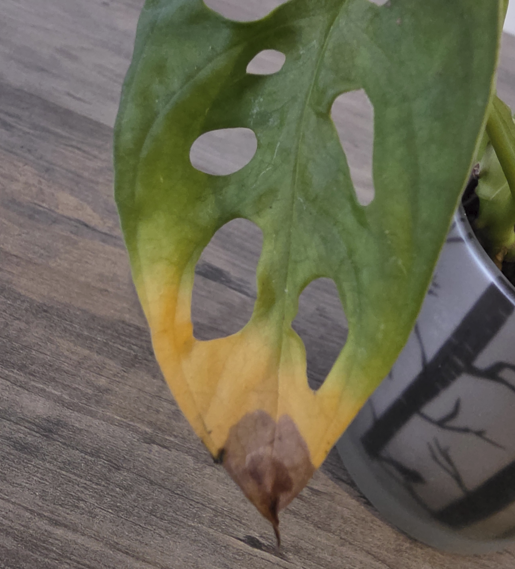
This leads to root rot and yellow leaves.
Use this simple rule:
Check the top inch of soil. Water when it feels dry.
Short steps:
- Water slowly until water drains from the bottom of the pot.
- Empty the tray.
- Allow the plant to rest between watering sessions.
- In summer months, the plant drinks more water.
- In winter months, the plant takes in less.
You want moist soil, not wet soil. A water-soluble fertilizer supports the plant in the growing season. Feed every 2-3 weeks for strong new growth.
Soil Mix and Potting
Your plant needs well-draining soil to stay healthy. Soil matters because roots respond to airflow and moisture levels. A breathable mix supports root health and prevents suffocation.
Use This Mix
- Indoor potting soil
- Orchid bark
- Perlite
- A little sphagnum moss
This mixture gives proper drainage and holds the right amount of moisture.
Pot Size
Pick a pot size that fits the current root ball. A bigger pot holds much water and slows root growth. Start with a nursery pot or a container with drainage holes. This allows excess water to flow out.
Cleaning and Plant Health
Dust builds up on the large leaves and blocks light absorption. Clean the leaves with a damp cloth every few weeks. This small action keeps the plant breathing and glowing. You can also check for pests during cleaning.

Supporting Your Monstera
Monstera plants love something to climb. A moss pole or climbing pole helps them grow tall and strong. Their aerial roots attach to the pole and push out mature leaves with larger splits.
This also helps you shape the plant to fit your design style.
Fertiliser Tips
A balanced liquid fertilizer supports strong new leaves. Feed during the growing season. Let the plant rest in colder months.
For an in depth breakdown on fertilizer for your plant, read my post on Best Fertilizer for Monstera: Helpful Tips to Feed Your Plant.
Pruning Your Monstera
Pruning helps your plant stay full and healthy.
It also guides the shape for your indoor space.
Use clean tools. Cut near a node to encourage new growth. Remove damaged leaves, brown tips, or long stems that stretch for light.
Pruning supports air flow around the plant. It also lowers the risk of pests.
A simple trim brings new life to your plant and refreshes the look of your room.
Propagation Methods
Propagation gives you new plants with little effort. Many plant owners enjoy growing a fresh young plant from their mature one.
Stem Cuttings
This is the easiest way to grow new plants. Pick a healthy stem with a node. A node is the part of the plant where new roots form. Cut below the node. Remove the lower leaf.
Place the cutting in water or moist soil. Keep it in bright indirect light. Roots form in 2–3 weeks. Move the cutting to a new pot when you see new roots grow strong.
Water Propagation
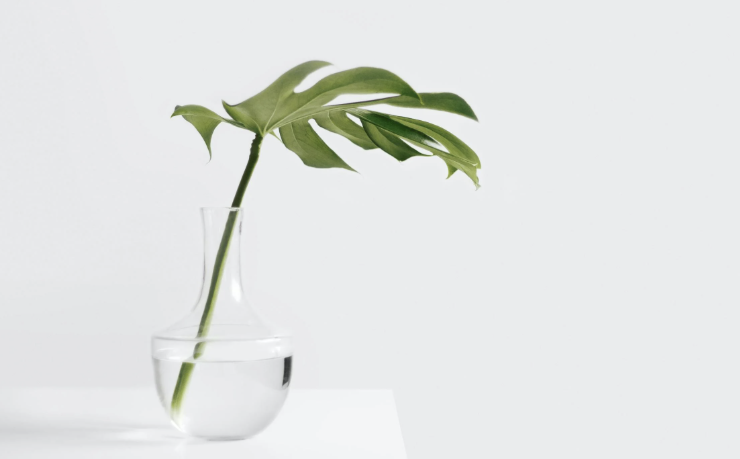
Stem cuttings grow well in water. Change the water often. The roots stay clean and healthy. Many people enjoy watching new roots grow in clear jars.
For the full guide, read my post on How to Grow Monstera in Water.
Soil Propagation
Use well-draining soil and light moisture. Soil grows strong roots for long-term growth.
Sphagnum Moss Propagation
Wrap moist sphagnum moss around the node. This creates a humid environment. When roots appear, place the cutting in a pot.
Propagation helps you fill your home with great plants. It also gives you gifts to share.
Common Pests
Monstera plants attract some common pests found in house plants. You can control them with simple care tips. If pests become a problem, diluted hydrogen peroxide can help control larvae in the soil while improving root oxygen levels.
Spider Mites
These tiny pests cause speckled leaves and webbing. They come from dry air. Increase humidity and wipe the leaves with a damp cloth. Neem oil or insecticidal soap removes them.
Fungus Gnats
These pests live in soil that stays wet for a long time. Allow the top layer of soil to dry. Use sticky traps or a soil treatment safe for indoor plants.
Scale and Mealybugs
They appear as soft white spots or small bumps. Wipe them off and treat with neem oil.
Regular checks keep the plant’s growth safe and strong.
Diseases to Watch For
Your Monstera can face a few diseases. They come from too much water or poor air flow.
Root Rot
This happens when water sits in the bottom of the pot. The roots turn soft and dark. The plant droops and stops growing. Remove the plant from the pot. Cut off the damaged roots. Repot in fresh soil.
Leaf Spot
You may see dark patches on the leaves. Improve airflow. Keep the leaves dry during watering.
Healthy habits protect your plant from these problems.
Repotting Your Monstera
Monstera plants grow fast in the right conditions. Repot when roots reach the bottom of the pot. The plant may lift itself from the soil or dry fast.
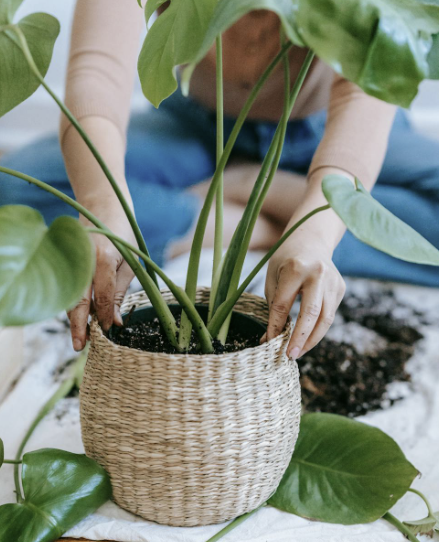
Choose a new pot that is one size bigger. Place fresh well-draining soil inside. Add orchid bark for airflow. Set the plant in the center. Fill the sides and press lightly.
Repotting during the growing season brings the best time for recovery. Your plant will adjust well to its new home.
Wonder if this plant likes to be root bound? Read my post on Do Monstera Plants Like to Be Root Bound? Reliable Advice for the full break down
How To Decorate with Monstera Plants
Monstera plants blend with many decor styles. Their dramatic leaves and bold shape make them the perfect plant for many rooms.
Living Room
Place a large Monstera deliciosa in a stylish pot. Set it near a window where it gets bright indirect light. A moss pole lifts the leaves
and enhances the shape. The large leaves create strong visual interest.
Dining Room
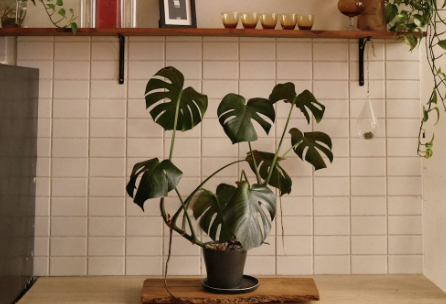
A Monstera adansonii looks great on a sideboard or near open shelving. Its smaller size adds charm without filling too much space.
Bedroom
Use a young plant on a nightstand or dresser. The heart-shaped leaves bring a soft and calm mood. Or a neutral plant pot for a larger plant to be a centre piece.
Office
A tall plant fills an empty corner and brings a natural energy that helps focus.
Add your plant beside warm wood furniture, neutral tones, or modern designs. You can also group plants for a lush look. A mixture of different sizes makes the space feel alive.
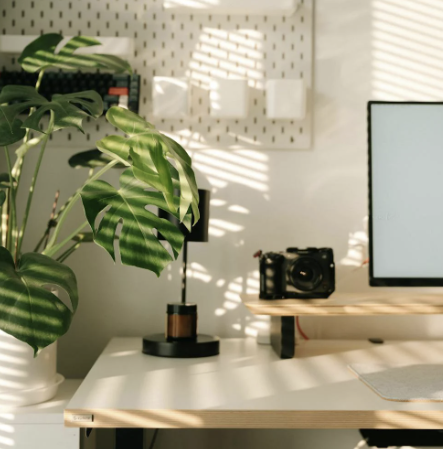
A Monstera adds life to any indoor space. The dramatic leaves make the plant a strong statement piece. You can use it to shape the style of a room or soften a corner that needs more energy. These ideas help you create a layout that feels natural and highlights the beauty of your plant.
Use a Moss Pole for Height and Shape
A moss pole supports the large leaves and aerial roots. This helps the plant climb upward, which creates a bold look. A climbing pole also encourages mature leaves with deep splits. Place the pole in the center of the pot and let the plant grow toward it during the growing season.
Create a Tropical Corner
Monstera plants pair well with other tropical plants. Add a smaller plant with heart-shaped leaves or soft textures to balance the dramatic leaves. A young plant like Monstera adansonii brings a gentle shape that adds depth. This simple grouping builds a lush look and creates a natural environment inside your home.
Place Your Monstera Near Bright Indirect Light
The plant thrives in bright indirect light, so place it near a window with filtered sun. This spot highlights the leaf patterns and adds movement to the room. The large leaves catch light in a soft way and add visual flow.
Use Neutral Pots for a Calm Look
A neutral pot keeps the focus on the leaves. Beige, clay, and soft gray all work well. These tones blend with your home style and help the plant shine. Make sure the pot has proper drainage to support root health.
Lift It With a Plant Stand
A small stand adds height without crowding the plant. It helps the Monstera fill vertical space, which improves the balance of the room. This also keeps the plant off cold floors and supports warm temperatures around the roots.
Decorate With New Growth
New leaves unfurl into large, elegant shapes. You can use this natural display as part of your decor. Place the plant where you see new growth every time you walk by. It adds movement and makes the space feel alive.
Add Texture With Sphagnum Moss
If your Monstera grows aerial roots, you can wrap sphagnum moss around the moss pole. This adds texture and keeps the plant hydrated. It also brings a tropical touch that works well in a dining room or living area.
Combine With Wood Elements
Wood shelves and soft wooden frames highlight the natural habitat of the plant. This pairing creates a warm and grounded feeling. It works well in rooms with bright light and open layouts.
Use a Grow Light for Dark Rooms
If your room has lower light conditions, a grow light helps the plant stay healthy. New leaves stay bright and firm under steady light. You can choose a slim light that blends into the decor and supports healthy growth all year.
Let the Plant Define the Room
A Monstera works well near a sofa, in an entryway, or beside a large mirror. The dramatic leaves build a gentle focal point. You can use the plant to tie together nearby decor pieces and soften lines in the room.
A Monstera is an excellent choice for house plants.
Its large leaves, bold shape, and natural charm bring life into any room.
With the right care, the plant stays full and strong. Bright indirect light, high humidity, and well-draining soil support healthy growth. A moss pole encourages mature leaves and gives the plant a tall, elegant shape.
These care tips work for new plants and established ones. Soon, you will see new roots, new leaves, and a steady pattern of strong growth. This plant fits well in any indoor space, from a living room to a dining room, and brings gentle tropical energy into your home.
Frequently Asked Questions About Monstera Care
These common problems show up often with Monstera plants. You can use this section to fix issues fast and support healthy growth. Each answer comes from real search behavior. Many readers want quick guidance, so these short explanations help them feel confident right away.
Why are my Monstera leaves turning yellow?
Yellow leaves come from excess water most of the time. Moist soil stays wet and stops the roots from breathing. This leads to weak root health and blocked nutrient flow. The plant responds with fading color.
Check for proper drainage. Make sure the pot has drainage holes. Let the top inch of soil dry before each watering. Bright indirect light also helps the plant stay steady.
What does an overwatered Monstera look like?
An overwatered Monstera develops soft stems and drooping leaves. The soil stays wet for a long time. You may notice a musty smell from the bottom of the pot. New growth slows or stops. Root rot follows soon after.
Give the plant time to dry. Look at the roots if the problem continues.
Should I cut yellow leaves off a Monstera?
Yes. Removing damaged leaves helps the plant send energy to new growth. Cut the leaf near the stem with clean tools. This also improves airflow around the plant.
How often should a Monstera be watered?
Water when the top inch of soil feels dry. This simple method protects the plant from excess water. A Monstera needs more water during the summer months. Growth slows in the winter months, so the soil dries slower during that time.
Stick to the soil check for the best results.
Why are my Monstera leaves curling?
Curling leaves come from low humidity levels, not enough water, or too much light. Look at the lighting conditions first. Bright indirect light works best. Use a humid environment to support the large leaves. Mist the plant or use a humidifier for steady moisture around the plant.
Why is my Monstera drooping?
Drooping shows stress. The plant may need more water, more humidity, or brighter light. Look at the soil, the lighting, and the air in the room. Fix the part of the plant’s care that looks off. Your Monstera recovers fast once the right conditions return.
Why is my Monstera leggy?
Leggy growth means the plant needs more light. The stems reach for brightness and grow long. Move the plant to a room with bright indirect light. A grow light helps new leaves grow strong. A moss pole supports climbing and helps the plant stay full.
Why are my Monstera leaves curling after repotting?
Repotting creates shock. The roots adjust to the new pot, new soil, and new moisture levels. Give the plant time. Keep humidity high and light steady. Avoid much water until the plant settles.
Can my Monstera live outside?
A Monstera enjoys warm temperatures and high humidity. It can live outside in a mild climate that stays warm during the night. Keep it in indirect sunlight. Direct sun damages the leathery leaves. Bring it inside if the air cools too much.
Can my Monstera grow in water?
A Monstera can grow in water for a long time if the water stays clean. New roots form from stem cuttings in jars. Change the water often. Use a clear vase to enjoy the new roots.
Can my Monstera become variegated?
A Monstera does not change into a variegated form on its own. Variegation comes from genetics. You need a plant that already carries those genes. This comes from a nursery pot with a known variegated type.
Where is the best place to put a Monstera?
Place the plant in a bright indoor space with indirect sunlight. This is the best way to support strong plant’s growth. Avoid spots near heaters or cold drafts. A dining room, living room, or office corner works well.
What should you not do with a Monstera?
Away avoid excess water and low light. Avoid soil without proper drainage. Avoid placing the plant near hot sun that burns the large leaves. Keep it away from small children and pets that may chew the plant.
These simple steps protect your Monstera from common problems.