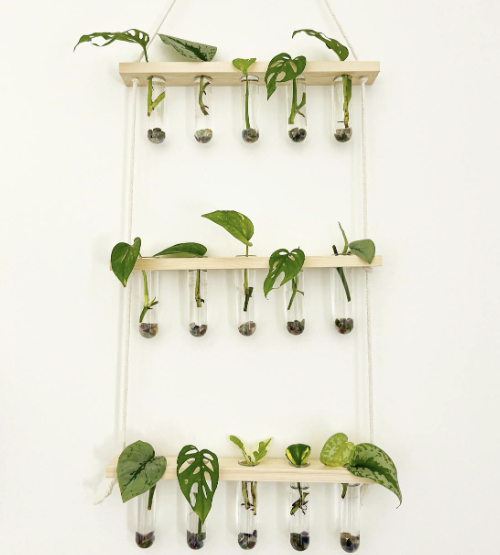
Growing Monstera plants in water feels almost unreal at first, but it works.
It’s also a great option for plant lovers who want clean roots, fast results, and a fresh look in any indoor space. This method fits the natural charm of the Swiss cheese plant and gives you a simple way to enjoy new plants with very little work.
This guide gives you every step you need.
You will learn the best way to take cuttings, how to keep water roots healthy, and how to avoid common problems.
You will also learn how to decorate your new water-grown Monstera for a bright spot in your living room or kitchen. With the right conditions, your plant will reward you with new growth, new leaves, and lots of roots that look clean and strong.
Need help caring for your Monstera? Check out my full guide here.
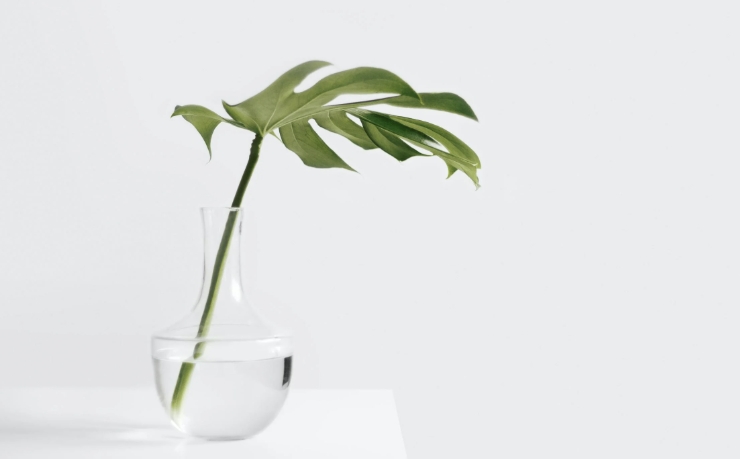
Can Monstera Plants Really Grow in Water?
Yes, Monstera plants adapt well to water propagation, and you can keep them in water long-term. They grow roots fast, and the whole plant stays neat.
In many homes this becomes a favorite plant because the care is simple. This setup also removes fungus gnats, excess water issues, and soil mess. For many indoor gardeners, that alone is a good idea.
A Monstera deliciosa in water grows from stem cuttings with a leaf node. Once the cutting forms new roots, the plant settles into its new home.
With filtered water, bright light, and fresh water changes, your new cutting turns into a healthy young plant.
Why Water Propagation Works So Well
This method supports steady root development without too much moisture.
The plant sits in plain water with plenty of oxygen. You can watch root growth each week, and you get a clear view of root health. Many people find it motivating. Seeing healthy roots develop keeps you consistent and gives your Monstera the best chance at strong growth.
Water propagation also mimics part of the Monstera’s natural habitat. In Central America and South America, these tropical plants climb tall trees. Their aerial roots reach into humid air and moist pockets of debris.
Water-grown Monstera cuttings respond well because the method fits what they know.
How to Take the Best Monstera Cuttings
To start, you need a healthy stem with a leaf node and, if possible, an ariel root. These give the new cutting the power to grow faster. Look for a long stem with a thick node. A clean node is the main purpose of the cutting. Without it, you cannot grow new roots.
Take your cutting from a mature plant. Check that the mother plant looks healthy with no signs of bacterial growth, root rot, or pests. A mature Monstera also has stronger stems and produces better new plants.
Steps To Grow a Monstera in Water
- Pick a healthy stem below an axillary bud.
- Use clean, sharp scissors.
- Cut below the node.
- Remove damaged Monstera leaves.
- Place the cutting in a jar of water.
This simple method gives the plant exactly what it needs. You may use rooting hormone on the cut end if you want faster results, but it is optional.
Choosing the Right Water to Grow Monstera
Clean water keeps your Monstera strong.
Many plant lovers prefer filtered water or distilled water because minerals stay low. This helps prevent build-up on the roots. Tap water also works for most homes, especially if you let it sit for a day. Warm water helps roots adjust faster.
Keep the water level high enough to cover the node and any aerial roots. These parts must stay wet for new roots to grow. Add fresh water every few days. Change all the water every week to improve oxygen levels and reduce bacterial growth.
Light and Location
Place your new cutting in bright indirect light. A bright spot near a window supports strong root growth and new leaves. Direct sun burns the leaves, so keep the plant in indirect sunlight.
A grow light helps during early spring or winter months when natural light feels low.
Keep the jar away from warm heaters or cold drafts. Monstera plants like warm temperatures that match their natural environment. This keeps the plant comfortable and helps it produce lots of roots.
How Long Does It Take to Grow Roots?
You may see new roots in 2–3 weeks.
Strong root development takes a little longer.
In time, the roots thicken and reach down in long strands. Healthy roots look white or cream-colored. Brown or soft roots point to root rot. If that happens, remove the damaged roots and add fresh water with a small amount of hydrogen peroxide.
When your cutting has lots of roots, the plant becomes more steady. Many people transfer their cutting back to a soil mix with orchid bark and sphagnum moss. Others keep the plant in water long-term. Both options fit different lifestyles.
Growing Monstera in Water Long-Term
A water-grown Monstera can live in water for a long time. Some grow roots for years with no problems. These plants love stable conditions and consistent care. Keep the water clean, keep the leaf node covered, and keep the plant in indirect light.
Add a few drops of water-soluble fertilizer once a month. This gives the roots essential nutrients without harming the plant. Use a light dose, because water roots absorb faster than soil roots.
Your Monstera may not reach the size of a mature Monstera plant in soil, but it still grows lush leaves and new growth. Some people call this the easiest way to care for Monstera indoors.
Common Problems and How to Solve Them
Root Rot
This happens when water becomes dirty. Change the water and trim dark roots.
Slow Root Growth
Move the plant to a brighter spot. Add fresh water more often.
Yellow Leaves
This may come from low light or old age. Remove the old leaf and support new growth with better light.
Cloudy Water
Clean the jar. Use filtered water. Reduce fertilizer.
Soft Stems
Take a new cutting from higher on the plant. The stem may have weakened before you cut it.
Each of these problems can improve fast with simple changes.
Can You Grow Monstera Albo in Water?
A variegated Monstera albo grows in water too. Care stays the same. These cuttings take more time, but their white leaves still look bright in a clear jar. Many plant lovers start their Monstera albo cuttings in water for higher success.
How to Decorate Your Water-Grown Monstera
Your Monstera becomes more than a plant. It becomes a natural decoration with strong visual appeal. A clear jar shows off the roots like art. Try placing your plant:
- On open shelves
- In your living room
- Near a bright window
- By a moss pole for extra style
- On a dining table
- In a propagation station
You can also group your plant with other favorite plants for a fresh display. Many people enjoy filling a shelf with a mixture of glass jars, long roots, and green leaves. The look feels clean, calm, and modern.
Frequently Asked Questions
Can a Monstera grow in water long-term?
Yes. Many people keep their water-grown Monstera healthy for years.
Does water propagation work for any Monstera?
Most Monstera plants grow well in water, including Monstera deliciosa and Monstera adansonii.
How often should I change the water?
Change it every week for best results.
Can I use leaf cuttings?
No. You need a stem with a node and, if possible, an aerial root.
Do I need a moss pole?
Not for water-growing. But you can add one for decoration.
Why is my cutting not growing roots?
It may need more light or fresh water.
Growing Monstera in water feels simple, clean, and rewarding.
This method gives you a clear view of new roots and new growth. It turns the Swiss cheese plant into a bright display that fits almost any home. With clean water, bright indirect light, and small weekly routines, your cutting becomes a full, healthy plant.
For many plant lovers, this becomes the best way to grow Monstera at home.