Root rot is one of the most common root problems in indoor plants. It often hides below the soil surface.
By the time leaves show damage, the root system may already suffer.
The good news is simple. With right knowledge, you can spot signs of root rot early stages. You can also protect healthy plants before serious damage happens.
This guide explains everything in clear steps. You will learn signs, causes, spread, treatment, and prevention. You will also see plant examples and easy care tips.
Early action protects the entire plant. Delayed action risks the whole plant.

What Is Root Rot?
Root rot is a plant disease that attacks a plant’s roots. It happens when roots sit in wet soil for long periods. Fungal disease and bacterial damage often follow.
Root rot pathogens thrive in poor drainage and excess water. They damage plant tissue from below the soil line.
Once roots fail, water and nutrients stop moving. This leads to yellow leaves, leaf drop, and weak growth.
Signs of Root Rot You Should Never Ignore
Knowing the symptoms of root rot saves plants. Look for changes above and below the soil.
Below the Soil Surface
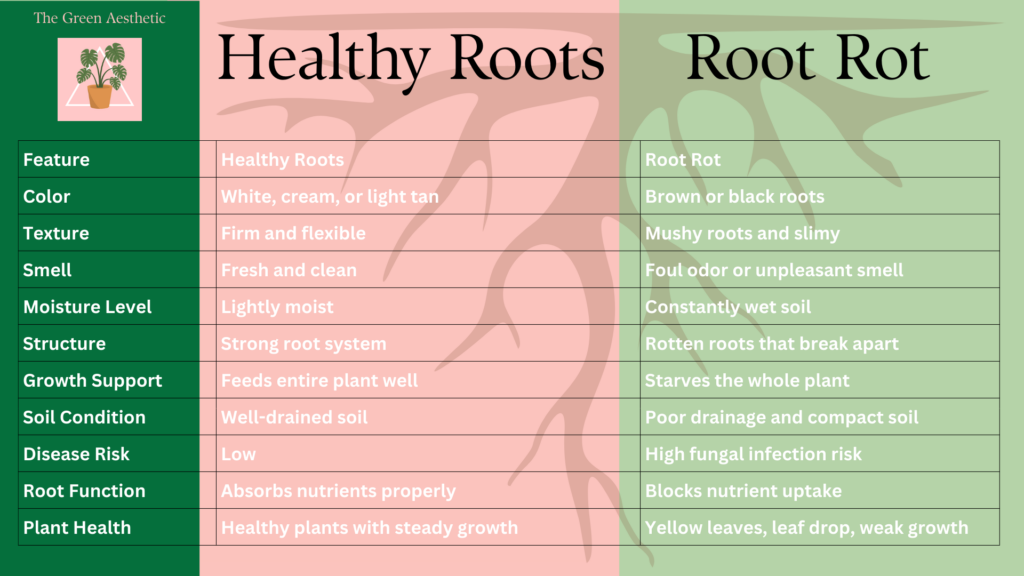
- Mushy roots that feel soft
- Rotten roots with black roots or brown color
- Unpleasant smell or foul odor
- Wet soil that never dries
- Slimy root ball texture
Healthy roots feel firm and dry fast. Unhealthy roots collapse when touched.
Above the Soil Surface
- Yellow leaves on lower leaves
- Translucent leaves on succulents
- Leaf drop without recovery
- Limp stems and stem rot
- Slow growth during growing season
Fungus gnats hovering near soil surface signal danger.
They thrive in organic matter and wet soil.
Bad news appears fast with high temperatures.
Cold temperatures also slow recovery.
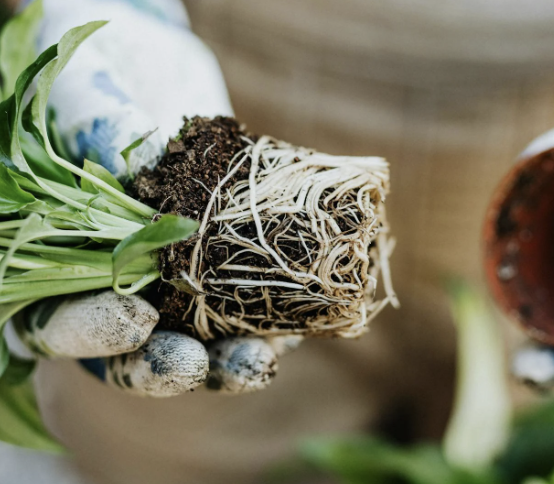
What Healthy Roots Look Like
Healthy plant roots support good health.
They absorb water and nutrients with ease.
Healthy roots appear:
- White or light tan
- Firm and flexible
- Slightly moist, never soggy
- Clean with no unpleasant smell
Healthy succulent roots look pale and thick.
They break clean, not mushy.
Causes of Root Rot
Understanding the cause of root rot helps prevention.
Most cases come from water and soil issues.
Common Causes
- Excess water from frequent watering
- Improper drainage in container plants
- Poor drainage without drainage holes
- Potting mix that holds water
- Long periods of wet soil
- Cold temperatures slowing evaporation
- High temperatures boosting fungal spores
Much water blocks oxygen access.
Roots suffocate and decay begins.
Nutrient deficiency may appear later.
That happens after root damage starts.
How Root Rot Spreads
Root rot spreads through soil conditions.
Fungal spores move in wet environments.
Shared tools spread fungal infection.
Reused pots without cleaning cause problems.
Overcrowded plants reduce airflow.
Poor airflow keeps soil wet longer.
Bound succulents trap moisture near roots.
This increases succulent root rot risk.
What to Do When You Suspect Root Rot
Immediate action saves plants. The first step involves inspection.
Step-by-Step Treatment
- Remove the affected plant from the pot.
- Inspect the root ball carefully.
- Trim rotten roots with clean scissors.
- Discard affected parts safely.
- Rinse plant roots with clean water.
- Apply hydrogen peroxide solution lightly.
- Let roots dry in fresh air.
- Repot in fresh soil with good drainage.
Use a new pot or disinfected container.
Choose well-draining soil for recovery.
This best thing restores oxygen flow.
Can You Stop Root Rot Once It Starts?
Yes, treatment works during early stages. Severe cases may damage the entire plant.
Quick response improves success rates.
Strong plants recover faster.
How to Prevent Root Rot Long-Term
Prevention is the best defense.
Healthy habits protect plant health.
Key Prevention Tips
- Use pots with drainage holes
- Choose well-drained soil
- Match watering needs to plant type
- Check soil moisture before watering
- Improve soil drainage with perlite
- Avoid excess water buildup
- Maintain good airflow
- Use grow light for indoor plants
Water less during cold seasons.
Allow dry soil between watering cycles.
Plant-Specific Root Rot Examples
Each plant has unique risks.
Understanding these prevents common mistakes.
Pothos
Pothos tolerate some excess water.
Root rot appears with yellow leaves.
Use well-draining soil and better drainage.
Money Tree
Money trees dislike wet soil.
Soft trunks signal stem rot.
Water only after soil dries.
Monstera
Monstera roots rot in compact soil.
Leaf drop follows fast.
Use airy potting mix and fresh soil.
For the full guide on Monstera, read my post Monstera Care Guide: How To Grow a Healthy and Beautiful Plant.
Aloe Vera
Aloe prefers arid environments.
Succulent root rot happens with much water.
Use cactus mix and dry soil cycles.
Succulents
Succulents store water in plant tissue.
Translucent leaves indicate trouble.
Use succulents box with drainage holes.
Fiddle Leaf Fig
Fiddle leaf figs react fast to wet soil.
Lower leaves turn yellow first.
Maintain good airflow and soil drainage.
Extra Tips and Tricks
- Repot new plant arrivals early
- Avoid decorative pots without drainage
- Clean tools between plants
- Watch soil surface color changes
- Monitor watering schedule during growing season
These steps protect best quality plants.
FAQ Section
Root Rot vs Healthy Roots Hydroponics Appearance
Healthy hydroponic roots appear white and crisp. Root rot roots appear brown with unpleasant smell. Cloudy water suggests bacterial growth.
Can You Stop Root Rot Once It Starts?
Yes, with immediate action and root trimming.
Early detection improves survival rates.
How Can You Tell If Roots Have Root Rot?
Look for mushy roots and foul odor. Check for black roots and wet soil.
What Do Healthy Roots Look Like in a Plant?
Healthy roots appear firm and pale. They smell fresh and feel strong.
Root Rot Treatment
Remove rotten roots and improve drainage. Repot in fresh soil with good drainage.
Use hydrogen peroxide sparingly.
Final Thoughts
Root rot feels scary at first. The good news is prevention works well.
Understanding soil conditions protects plants’ roots. Correct watering needs keep roots strong.
Plant care builds confidence over time. With practice, healthy plants thrive indoors.
Protect your plants today. Your future growth will thank you.