
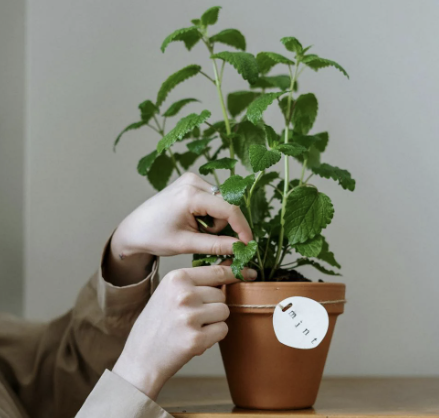
You bring home a mint plant, place it on the kitchen side, and feel confident. A few days later, the leaves start to droop. Soon after, the plant looks worse than expected.
This happens to many people. Mint is easy to grow, but watering is where most mistakes happen. Too much water causes root problems. Too little water leads to wilting.
In this guide, you’ll learn exactly how often to water mint plants. We’ll cover indoor and outdoor care, common mistakes, and how to keep your mint healthy all season long.
Why Watering Matters So Much for Mint
Mint may be a hardy, fast-growing herb, but it still has specific needs when it comes to soil moisture. Unlike some toxic plants weeds plants that can survive neglect, mint prefers consistent moisture.
The root system of mint grows quickly and spreads easily. If the soil moisture is uneven, sometimes soggy, sometimes bone dry, your plant can suffer. Wet soil with excess water leads to fungal diseases like root rot or mint rust. On the other hand, dry soil for too long can stress the plant, stunt growth, and cause yellow leaves.
The best practice is to keep the top inch of soil evenly moist without ever letting it become soggy soil.
How Often Should You Water Mint?
The answer depends on several factors:
- Whether you’re growing indoor plants or outdoor mint plants
- The size of your pot or garden bed
- The growing season and weather conditions
- The age of your plant (young plants, new plants, or an established plant)
Indoor Mint Plants
For indoor mint plants, check the top inch of soil. If it feels dry, it’s time to water. This usually means watering every 2–3 days during the growing season, but in dry weather or when using a small pot, it might be daily.
Using self-watering pots with drainage holes at the bottom of the pot can help keep a healthy growth pattern without the risk of soggy soil.
Outdoor Mint Plants
For outdoor mint plants in a garden bed, aim for about 1–2 inches of water per week, depending on rainfall. In hot weather or dry spells, you’ll need more frequent watering.
The best time to water is in the early morning. This allows the leaves and soil to absorb water before direct sunlight causes evaporation.
New Plants vs. Established Plants
- New plants and mint seedlings need frequent watering to encourage strong root ball development. Keep the soil moist but not waterlogged.
- An established plant with a larger root system can handle less water between sessions, as long as you ensure consistent moisture.
The Best Way to Water Mint Plants
The best way to water mint is to pour water slowly at the base of the plant until the entire plant’s root ball is soaked. Avoid overhead watering, which can spread fungal diseases like powdery mildew.
Some gardeners use drip irrigation in garden beds for best results, ensuring water reaches the root system without creating wet soil on the leaves.
If you’re using containers, always choose a well-draining soil mix with organic matter and make sure the pot has drainage holes. A larger pot or bigger pot also helps prevent dry soil because it holds more moist soil around the root ball.
Signs Your Mint Needs Water
Check for these signs to know when to water:
- Dry soil at the top inch of soil
- Lower leaves starting to wilt
- The plant looks less perky during the growing season
Signs of Too Much Water
Overwatering is one of the most common potential problems for mint herb plants. Here’s how to spot it:
- Yellow leaves that drop from the entire plant
- A mushy or blackened root ball (a clear sign of too much water)
- Fungal diseases like mint rust or powdery mildew
- A sour smell in the soil
If you notice these issues, reduce watering, switch to well-drained soil, or repot into a larger pot with better good drainage.
Best Watering Practices by Season
Early Spring
When starting from mint seeds, mint seedlings, or a starter plant, keep the soil lightly moist. Thin seedlings (thin seedlings) so the whole plant has enough space for healthy growth.
Summer (Growing Season)
This is the growing season when mint needs the most water. In hot weather, outdoor mint plants in a garden bed may need watering daily.
Late Summer and Fall
As temperatures cool, reduce watering slightly. A mature mint plant still enjoys consistent moisture, but cooler weather means less water is needed.
Indoor vs Outdoor Considerations
- Indoor plants dry out faster in heated homes during winter. Check soil often.
- Outdoor mint plants growing in garden beds retain water longer, especially with added organic matter.
If you grow mint in self-watering pots, check that the bottom of the pot isn’t sitting in excess water.
Soil and Watering Tips for Best Results
- Use fertile soil enriched with organic matter for healthy mint plants.
- Make sure the soil is well-draining soil or well-drained soil to prevent soggy soil.
- Mulch around the base of the plant in garden beds to keep soil moisture stable during dry spells.
Common Mint Varieties and Their Water Needs
Different mint varieties have slightly different preferences:
- Peppermint: Loves consistent moisture and partial shade.
- Spearmint: Thrives in full sun or partial shade with well-draining soil.
- Chocolate mint: A sweeter, dessert-like variety of mint that needs moist soil.
- Pineapple mint: A colorful variety of mint with variegated leaves that requires proper watering and protection from dry weather.
- Orange mint: An aromatic plant with citrusy flavor, grows well in garden centers or pots with good drainage.
No matter which mint varieties you choose, all share one rule: avoid soggy soil and aim for consistent moisture.
Potential Problems Related to Watering
Too much or too little water can lead to issues:
- Fungal diseases like mint rust and powdery mildew
- Root rot from excess water
- Pests like spider mites or flea beetle thrive on stressed plants.
- Weak root system if young plants are left in dry soil too often
With proper care, including balanced watering, you’ll avoid most of these problems.
Harvesting Mint After Proper Watering
Well-watered mint produces the most fresh mint leaves for your kitchen. The best practice is to harvest in the early morning, when the mint leaves contain the most oils. Regular harvest encourages bushier growth and keeps your mint herb plants producing for a long time.
The Best Practice for Watering Mint
If you remember one thing, it’s this: mint loves moist soil but hates wet soil. Keep the top inch of soil damp, avoid excess water, and always provide good drainage with drainage holes at the bottom of the pot.
With proper watering, fertile soil, and a little organic matter, you’ll enjoy a healthy mint plant that provides fresh leaves season after season. Whether you’re growing indoor mint plants on your windowsill or a sprawling ground cover of outdoor mint plants in your herb garden, watering the right way is the key to success.
Frequently Asked Questions About Watering Mint
Does mint plant need sunlight?
Yes, mint plants need sunlight to grow well. They thrive in full sun to partial shade. Ideally, mint should get 4–6 hours of direct sunlight each day. In hot weather, giving your mint a little afternoon shade is a good idea to prevent dry soil and stressed plants.
How to tell when mint needs water?
The easiest way is to check the top inch of soil. If it feels dry, it’s time to water. You might also notice the lower leaves drooping or the mint leaves looking less fresh. This is a clear sign your mint needs more consistent moisture.
What makes mint leaves turn yellow?
Yellow leaves are usually a sign of too much water or poor drainage. If your plant is sitting in soggy soil or a pot without drainage holes, the roots may develop root rot. Sometimes, dry spells or lack of nutrients in fertile soil can also cause yellowing.
Why are mint leaves turning white?
White mint leaves are often caused by powdery mildew, a common fungal disease made worse by excess water on leaves or poor airflow. It can also happen if indoor mint plants are getting too much direct sunlight through a window, which can bleach the mint leaves.
How long can mint go without water?
Mint prefers consistent moisture, so it doesn’t do well without water for long. In warm conditions, a mature mint plant might survive about 2–3 days without water, but young plants or mint seedlings may wilt much faster.
How often to water mint indoors?
Indoor mint plants usually need water every 2–3 days. The exact timing depends on your pot size, temperature, and soil moisture. Always check the top inch of soil, if it’s dry, it’s time to water.
How much water does a mint plant need per day?
Instead of measuring daily, focus on keeping the soil evenly moist. In general, mint needs about 1–2 inches of water per week. During hot weather or in a small pot, you may need to water daily, while in cooler conditions you’ll use less water.
How often to water mint plant in pots?
Mint in pots dries out faster than in a garden bed. Check the soil every day, especially in summer. On average, water every 1–2 days to keep the root ball moist but not sitting in excess water. A larger pot with well-draining soil will give you the best results.
Does mint need a lot of sun?
Mint does best with at least 4–6 hours of sunlight per day. While it tolerates partial shade, it grows faster and produces more fresh mint leaves in full sun. However, too much direct sunlight in hot weather may dry the soil too quickly, so balance is key.