
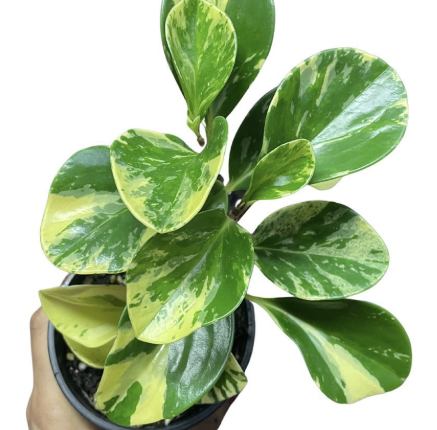
The peperomia marble plant is often bought on impulse. You see the thick, glossy leaves. You notice the soft mix of green and cream. It feels like a safe choice. And in many ways, it is.
Still, many people struggle with one thing. Watering.
Too much water is the fastest way to lose this plant.
This guide will help you avoid that. You’ll learn how to care for peperomia marble with confidence. Each section focuses on what the plant actually needs, not complicated rules. With the right conditions, this low-maintenance plant can thrive for years.
What Is Peperomia Marble?
Peperomia marble is a variety of Peperomia obtusifolia. It belongs to the family Piperaceae. This ancient lineage includes many species of peperomia found in South America.
The common name “baby rubber plant” comes from its thick, waxy leaves. While it looks similar to rubber plants, it is a different family member. Peperomia obtusifolia plants stay smaller and grow slower.
The marble pattern gives the plant a touch of elegance. Each leaf has creamy markings over deep green. No two leaves look exactly the same. This beautiful foliage is a big reason it remains a popular choice.
Light Requirements
Light is one of the most important care factors. Peperomia marble prefers bright, indirect light. This keeps the variegation strong and growth balanced.
A bright-light location near south-facing windows works well. West-facing windows also provide enough light. Use a sheer curtain if the sun feels harsh.
Lower light is tolerated, especially near a north-facing window. However, growth may become sparse. Leaves may lose some color. Low light slows the growing season even more.
Too much direct sun can scorch leaves. Aim for indirect sunlight or filtered light. Fluorescent lighting also works well, making this plant a great office option.
Watering Peperomia Marble
Watering is where most problems begin. Peperomia marble stores water in its thick, fleshy leaves. That means it prefers the dry side.
Always let the soil dry out more than most house plants. Check soil moisture before watering. The top few inches should feel dry.
Water thoroughly, then allow excess water to drain. Never let water sit at the bottom of the pot. A drainage hole is essential.
Most homes need watering every 1–2 weeks during the growing season. In winter months, water even less. Cold soil and excess water lead to root rot quickly.
If the leaves feel soft or limp, you may be overwatering. Plump leaves are a sign of good care.
Soil and Potting Mix
Well-draining soil is critical. Soggy soil is the fastest way to damage roots. A light potting mix works best.
You can use regular potting soil mixed with chunky orchid soil or perlite. This improves airflow and drainage. Rich soil holds too much moisture on its own.
Always choose a pot with a drainage hole. Water should flow freely from the bottom of the pot. Empty the saucer after watering.
Avoid planting too deeply. Keep the soil line where it was before.
Temperature Needs
Peperomia marble enjoys stable indoor temperatures. Aim for normal room temperature between 65°F and 80°F.
Avoid cold drafts from windows or doors. Keep the plant away from air vents and radiators. Sudden changes stress the plant.
This is not a cold-tolerant plant. Exposure to cold drafts may cause leaf drop or slow recovery.
Humidity Preferences
Peperomia plants prefer moderate humidity. High humidity is appreciated but not required. Average household humidity is usually enough.
If your air is very dry, a pebble tray can help. Extra humidity supports leaf health but avoid excess moisture.
Do not mist heavily. Wet leaves invite disease. Focus on air moisture, not leaf moisture.
Best Location in the Home
This plant works well in many indoor spaces. Living rooms, bedrooms, and offices are all good options.
Choose a spot with enough light but no harsh sun. A bright shelf or table near a window works well.
Avoid placing it near heaters or cold windows. Consistency matters more than perfection.
Fertilizer Needs
Peperomia marble is a low feeder. Too much fertilizer causes more harm than good.
Use a diluted liquid fertilizer once a month during early spring and summer months. Skip feeding in winter months.
Always water first before fertilizing. Never fertilize dry soil.
Pruning and Shaping
Pruning helps maintain a full shape. Trim leggy growth to encourage branching.
Cut just above a leaf node. New growth will form from that point. Focus on the end of each stem.
Use clean scissors. Remove damaged or yellow leaves as needed.
Propagation
Propagation is an easy way to grow new plants. Stem cuttings work best.
Cut a healthy stem with at least one leaf node. Place it in moist soil or water. Leaf cuttings also work but grow slower.
Keep cuttings in bright indirect light. Roots usually form within a few weeks. The first set of leaves signals success.
Repotting
Peperomia marble has a slow growth rate. Repotting is rarely needed.
Only repot when roots fill the previous pot. Choose a slightly larger pot, not a much larger one.
Early spring is the best time to repot. Refresh the soil and check root health.
Pests to Watch For
Spider mites are the most common pest. They appear in dry conditions. Look for fine webbing under leaves.
If you notice mites, hydrogen peroxide mixed with water can help clean the soil and protect roots.
Wipe leaves with a damp cloth. Use rubbing alcohol on a cotton pad for stubborn pests.
Good airflow and regular checks prevent infestations.
Common Diseases
Root rot is the biggest risk. It comes from excess water and soggy soil.
Leaf spot may appear with poor airflow or wet leaves. Remove affected leaves and adjust care.
Healthy roots mean a healthy plant.
How to Encourage Blooming
Peperomia obtusifolia can bloom, though flowers are subtle. Blooms look like thin spikes, not showy flowers.
Provide bright indirect light and stable care. Avoid stress. Blooming happens during the growing season.
Focus on leaf health first. Flowers are a bonus.
Common Problems and Fixes
Yellow leaves usually mean too much water. Reduce watering and improve drainage.
Sparse growth often means not enough light. Move the plant closer to a bright window.
Soft stems signal soggy soil. Check roots immediately.
Benefits of Peperomia Marble
This plant is a great addition to any indoor garden. It improves visual balance and adds texture.
This plant is compact, tidy, and safe around most pets. It suits beginners and experienced plant lovers alike.
Its drought tolerance makes it ideal for busy homes.
FAQs About Peperomia Marble
What is the scientific name of peperomia marble?
The scientific name is Peperomia obtusifolia, part of the peperomia genus.
Is peperomia marble toxic to cats?
Peperomia marble is considered non-toxic to cats and dogs.
How often should I water peperomia marble?
Water every 1–2 weeks, allowing soil to dry out between waterings.
What light does peperomia marble need?
Bright indirect light is ideal. Lower light is tolerated with slower growth.
How do you propagate peperomia marble?
Propagation works best with stem cuttings placed in soil or water.
What is the difference between peperomia obtusifolia variegata and marble?
Both are similar. Marble refers to the leaf pattern rather than a separate species.
Is peperomia marble good for indoor care?
Yes. It is an easy plant with low maintenance needs.
Other Rubber Plants To Consider
If you love the look of rubber plants, there are a few other great options to consider. Ficus elastica ‘Ruby’ stands out with pink, cream, and green variegation, making it a bold statement plant for bright rooms. Ficus elastica ‘Tineke’ offers softer tones with creamy edges and deep green centers, and it thrives in bright, indirect light. For smaller spaces, the baby rubber plant (Peperomia obtusifolia) is a great choice. It has thick, glossy leaves, a compact shape, and low-maintenance care needs. Together, these rubber plants offer different sizes, colors, and styles to suit many indoor spaces.
Peperomia marble is proof that simple plants can still feel special. With the right conditions, it stays healthy and attractive year-round.
Give it bright indirect light. Let the soil dry out. Avoid excess water. That is the best way to succeed.
This low-maintenance plant offers beauty without pressure. And that is why it remains a popular houseplant.