Choosing the right pot size for a fiddle leaf fig sounds simple. Yet it causes more stress than almost any other care step. Many plant parents worry about going too small. Others worry about going too big. Both mistakes can slow growth or cause serious problems.
This guide walks you through everything you need to know. We start with pot size. Then we move into soil, drainage, styling, and repotting. By the end, you’ll know exactly what size pot your plant needs and why.
Background: Why Pot Size Matters for Fiddle Leaf Figs
Fiddle-leaf fig trees come from lowland tropical rainforests in Western Africa. In their natural habitat, roots grow freely but never sit in wet soil.
Fiddle leaf figs are one of the most popular large houseplants for living rooms and bedrooms.
Indoors, pots control everything. They affect water retention, airflow, and root health. The wrong size of the pot leads to root rot, brown spots, or slow growth.
Choosing a pot that’s too large is one of the most common beginner plant mistakes.
This plant prefers stability. It does not like frequent changes. That is why choosing the right pot from the start gives you a good chance of success.
What Size Pot Does a Fiddle Leaf Fig Need?
Pot size should match the size of your plant and its root ball. Bigger is not always better.
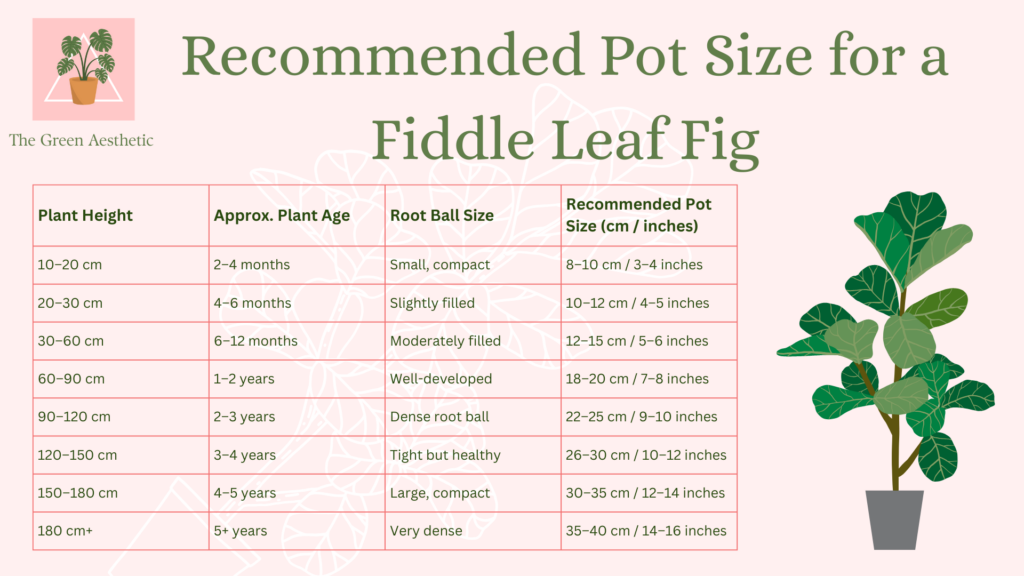
As a rule, choose a slightly larger pot than the current pot. Aim for one that is 2–5 cm wider. This gives roots room without holding excess moisture.
Small plants need small pots. A huge pot holds too much water. This leads to soggy soil and root rot.
Always think about the size of your plant, not just how it looks.
For larger plants, pot size depends on height. A 6 foot fiddle leaf fig often needs a pot around 35–40 cm wide. However, root size still matters more than height.
Root ball size refers to how much space the plant’s roots take up inside the pot.
When you remove a plant from its pot, the root ball is the mass of roots and soil held together in the shape of the container. It shows how developed the roots are and how much room they need.
Here’s how to understand it in simple terms:
- Small root ball: Few roots, lots of loose soil. The plant does not need a bigger pot yet.
- Moderate root ball: Roots spread through the soil but are not crowded. Growth is steady.
- Dense root ball: Roots wrap around the edges or bottom. This is a sign the plant is ready for a slightly larger pot.
Root ball size matters because pots that are too large hold extra moisture. This can lead to root rot. Healthy roots support better growth and cleaner indoor air. Choosing a pot based on root ball size helps control watering and keeps roots healthy.
How to Determine the Right Pot Size
The easiest way is to check the root ball. Gently slide the plant from its existing pot.
If roots circle the bottom of the pot or push through drain holes, it needs a new pot. If soil still fills the space, wait longer.
You can also use your index finger. Push it into the soil up to the first knuckle. If it stays wet for days, the pot may be too large.
Pot size should support healthy roots, not drown them.
Best Pot Size for Propagation and Cuttings
Potting cuttings requires restraint. Many people overpot at this stage.
For propagation, use a small pot. A 8–10 cm inch pot works well for stem cuttings. This helps soil dry evenly.
Once new leaves appear and roots form, you can size up. Do not rush this step.
Small pots encourage faster root development and stronger plants.
When to Move to a Larger Pot
Timing matters just as much as size.
The best time to repot is early spring. This aligns with the growing season. Roots recover faster during this time.
Avoid repotting during winter months. Growth slows and stress increases.
Signs it is time to repot include slowed growth, roots at the bottom of the pot, or water running straight through.
If your plant looks healthy, waiting is often a good idea.
What Soil Works Best in the Pot?
Soil choice supports pot size decisions.
Fiddle leaf figs need a well-draining potting mix. Regular soil holds too much water.
Use a mix designed for indoor plants. Add bark or perlite as a soil amendment. This improves airflow and drainage.
Dry soil between waterings protects roots. Rich soil without drainage increases problems.
Why Drainage Holes Are Essential
Drainage holes are not optional. They are a good reason many plants survive indoors.
Without drain holes, excess water pools at the bottom of the pot. Roots sit in wet soil. Root rot follows.
Always choose pots with drain holes. If you love a decorative container, use it as a cache pot. Large plants in sleeping spaces need extra attention to drainage and airflow.
Place the plant in a plastic nursery pot inside a decorative pot. This allows proper drainage.
Styling Your Fiddle Leaf Fig Pot
Styling matters, especially for a large fiddle leaf fig tree.
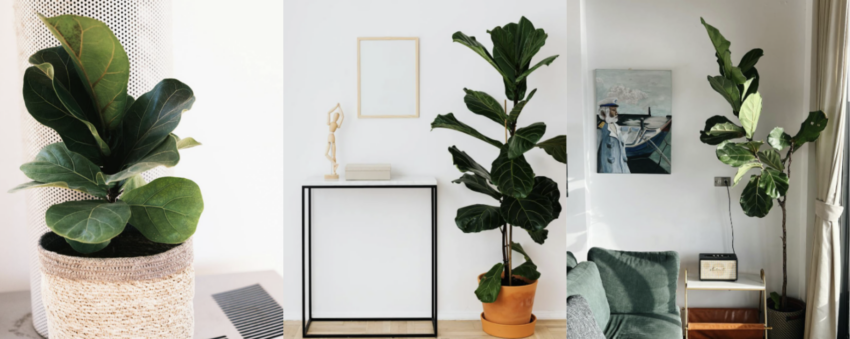
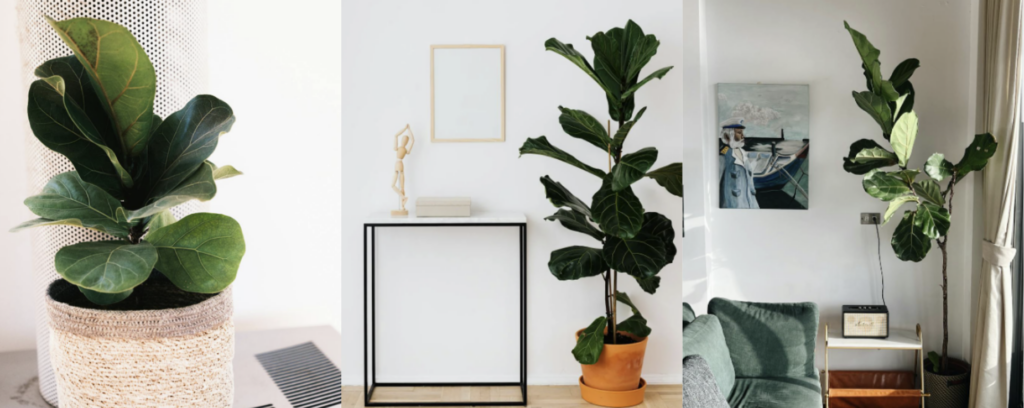
A decorative pot adds balance and style. Choose one that fits your space and plant height.
Large planters anchor tall plants in living rooms. Smaller pots suit shelves or corners.
Make sure style never replaces function. A beautiful pot without drainage causes problems later.
How to Repot a Fiddle Leaf Fig Safely
Repotting does not need to be stressful.
Start by preparing the new pot with fresh soil. Remove the plant gently from the original pot.
Loosen the root ball slightly. Place it at the same soil level as before. Fill around with soil.
Press lightly. Do not compact the soil. Water once and place the plant back in bright, indirect sunlight.
Avoid moving it again for a few weeks.
Pot Size, Light, and Environment
Pot size works together with light and humidity.
Bright light supports faster drying. East-facing windows work well. Indirect sunlight is ideal.
High humidity helps leaf health. Dry air increases water loss.
Artificial heating in winter dries soil differently. Always adjust watering based on environment.
The right place makes pot size easier to manage.
Common Pot Size Problems
Brown spots often come from water issues. A pot that is too large stays wet.
Yellow leaves may signal root stress. Check soil moisture and drainage.
Slow growth can mean the pot is too small or too large.
Pot size problems show up quietly. Regular checks help catch issues early.
FAQs: What Size Pot to Plant a Fiddle Leaf Fig
How do I determine pot size for a fiddle leaf fig?
Match the pot to the root ball. Choose one 2–5 cm larger than the current pot.
What is the best pot size for a fiddle leaf fig?
The best pot size depends on root size, not plant height.
What size pot for fiddle leaf fig propagation?
Use a small pot, around 8–10 cm, to encourage root growth.
What is the best drainage pot for a fiddle leaf fig?
Any pot with drainage holes works. Avoid sealed decorative pots.
What pot size does a 6 foot fiddle leaf fig need?
Most need a 35–40 cm pot, depending on root size.
Choosing the right pot size is the best way to support a healthy fiddle leaf fig. It protects roots, controls water, and supports growth.
Go slow. Size up gradually. Focus on roots, not fear.
With the right pot, this tricky plant becomes much easier to manage.