
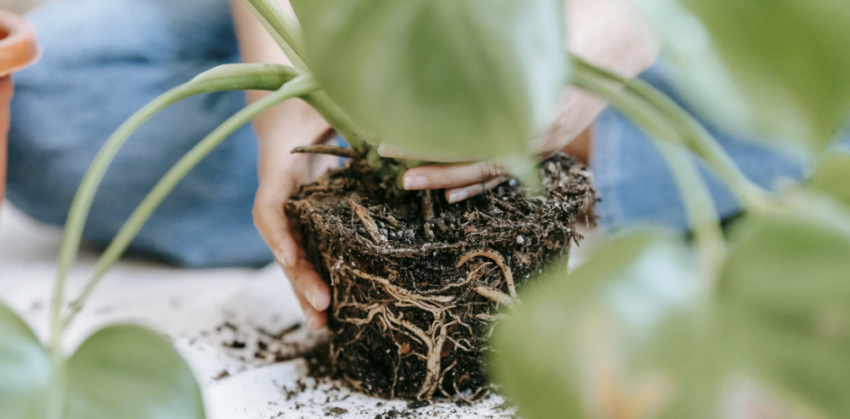
If you own a monstera deliciosa, you may wonder if it likes to be root bound. This is a very common question. Many plant lovers hear that some indoor plants prefer small pots. That idea can cause confusion and stress.
So let’s clear this up in a simple way.
Do monstera plants like to be root bound?
The short answer is no, but there is more to understand.
For the full guide, read my post Monstera Care Guide: How To Grow a Healthy and Beautiful Plant.
Do Monstera Plants Prefer to Be Rootbound?
Monstera plants do not prefer being root bound. They can tolerate it for a short time, but they do not thrive that way. A root-bound monstera may survive, but it will not show vigorous growth.
Monsteras are tropical plants with deep-rooted connections. In nature, their roots spread freely through surrounding soil. This helps support large leaves, aerial roots, and lush foliage.
When roots run out of space, stress begins. Over time, this affects the entire living thing, not just the roots.
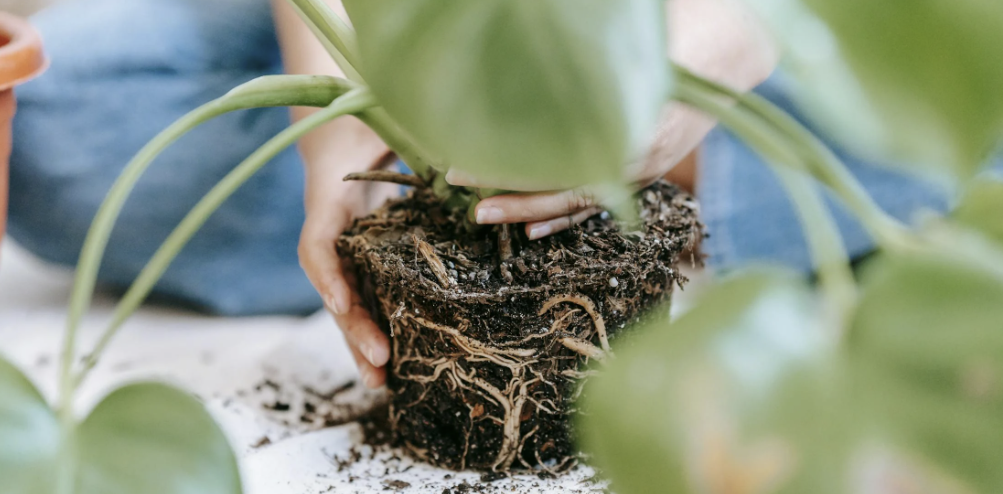
The Impact on Pot-Bound Plants
When monstera plants stay in the same pot for a long time, problems slowly appear. These signs of distress often get missed at first. Many plant enthusiasts confuse them with light or watering issues.
Stunted Growth
A root bound plant often grows slowly. New leaves appear less often. The growth rate drops, even during the growing season. This is one of the clearest telltale signs.
Watering Difficulties
Root-bound plants struggle with water. The soil dries out very fast. Water may run straight through the drainage holes. This makes regular watering hard to manage.
Nutrient Depletion
When roots fill the pot, there is little fresh soil left. Nutrients run out quickly. Even with fertilizer, the plant cannot absorb what it needs.
Pot-Bound Stress
Pot-bound stress affects leaf health. You may see leaf issues like yellow leaves or curling. Over time, root rot can happen if moisture stays uneven.
Signs Your Monstera Is Root Bound
Your monstera will show clear signs when it needs a new home. These signs often appear together.
Roots may grow through the drainage holes at the bottom of the pot. This is a common sign of a root-bound plant. You may also see roots circling the top of the soil.
Growth may slow down or stop. New growth becomes rare. New leaves may stay small or miss their fenestrated foliage.
The potting soil may dry out very quickly. This happens because roots take up most of the space. Yellow leaves are another clear sign, especially on lower leaves.
What to Do With a Rootbound Monstera
Once you spot the signs, action helps. Repotting is usually the best solution. It gives roots space, fresh soil, and room for healthy growth.
This is a good idea for both young plants and mature monsteras. Even big plants need space to support their unique shape and size.
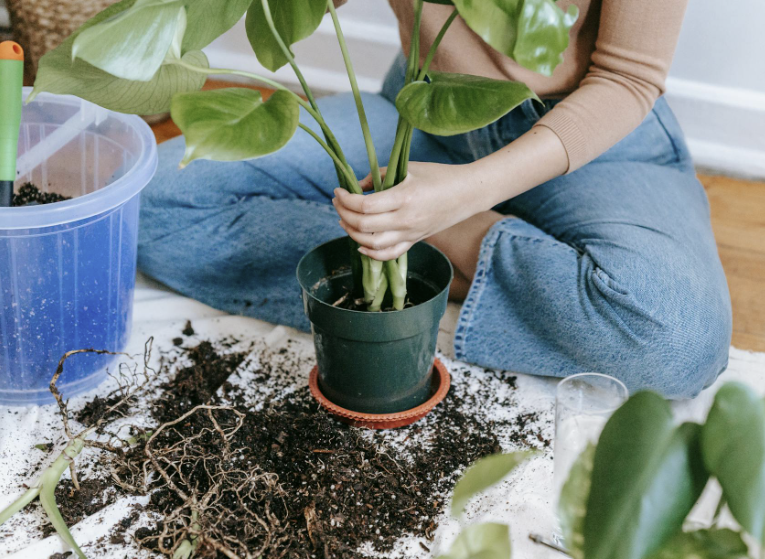
When to Repot a Monstera
The right time matters. Repotting at the wrong moment can slow recovery.
Best Time to Repot
Early spring is the best time. This is when the growing season begins. The plant has energy to recover and grow new roots.
Avoid repotting in winter unless there is an urgent need.
How Often to Repot
Most monstera swiss cheese plants need repotting every one to two years. Mature plants may need less frequent changes. Always watch the roots, not the calendar.
Best Soil for a Root Bound Monstera
The best soil is loose and well draining. A good soil mix supports healthy roots and proper moisture.
Use a well-draining soil made for indoor plants. A quality potting mix with bark, perlite, or coco coir works well. Fresh soil helps prevent poor drainage and root rot.
Other Tools You Will Need
Before you start, gather your tools. This makes the task easier and calmer.
You will need a larger pot with drainage holes. Choose a pot that is only one size bigger. A too-large pot can hold too much moisture.
You may also need gloves, clean scissors, and a proper moss pole or coir pole for support.
How to Repot Your Monstera in Simple Steps
First, gently remove the plant from its current pot. This is the first step. Support the base and tip it carefully.
Next, look at the root ball. If roots are tightly wrapped, gently loosen them with your fingers. This helps encourage new root growth.
Trim only damaged or rotting roots. Healthy roots should be firm and light in color.
Place the plant into its new container. Add fresh potting soil around the roots. Make sure the plant sits at the same depth as before.
Water lightly to settle the soil. Then place the plant back in indirect light.
Are Monstera Sensitive to Repotting?
Monsteras are dramatic plants, but they are not fragile. They can handle repotting when done correctly. Some stress is normal.
After repotting, you may see a short pause in growth. This is part of the adjustment. Avoid sudden changes in light or location. Keep the plant in its original location if possible.
The risk of transplant shock is low when care stays consistent.
Additional Post-Repotting Care Tips
After repotting, focus on balance. Do not overwater. Let the top of the soil dry slightly before watering again.
Keep humidity steady. Make sure the plant gets enough indirect light. Avoid fertilizing for a few weeks.
These small steps support monstera happiness and long-term health.
FAQ: Root Bound Monstera Questions Answered
What are signs of a root bound monstera?
Clear signs include roots growing from drainage holes, yellow leaves, and reduced growth.
How do I fix a root bound Monstera?
The best way is repotting into a slightly larger pot with fresh, well-draining soil.
When should I repot my Monstera plant?
Early spring is the best time, during the active growing season.
How do I repot a root bound Monstera?
Remove the plant, loosen the root ball, trim damaged roots, and replant with fresh soil.
How do I fix a severely root bound plant?
Gently loosen tight roots and repot. In extreme cases, root pruning may help.
Why does a root bound monstera have yellow leaves?
Yellow leaves often come from stress, poor nutrient access, or uneven moisture.
How do I separate a root bound monstera?
Look for natural divisions. Gently pull apart roots and repot each section.
How do I loosen a root bound monstera?
Massage the root ball gently with your fingers before planting.
What is the best soil for a root bound monstera?
Use a loose, well-draining potting soil made for tropical indoor plants.
What is the best time to repot a root bound monstera?
Early spring is the safest and most effective time.
Monsteras are among the most popular houseplants for a reason. They grow fast, look bold, and respond well to the right care.
They do not like being root bound for long. Giving roots space is a gift. It leads to new leaves, fenestrated foliage, and healthy growth.
Think of repotting as a fresh start. A new pot is not stress. It is a better future for your green companion 🌿