Root rot is one of the most common plant diseases affecting indoor plants. It often starts quietly and causes damage over time. Many plant enthusiasts only notice it once visible symptoms appear. By then, the plant’s root system may already be struggling. The good news is that early detection gives your plant a fighting chance.
Root rot is usually caused by overwatering and poor drainage. A small miscalculation with watering needs, repeated over a long time, can lead to serious damage. Understanding the signs and treatment methods is the best way to protect your healthy plants.
What Is Root Rot?
Root rot is a general term for several fungal diseases that attack plant roots. These diseases thrive in wet soil with low oxygen levels. Common fungi include phytophthora root rot and other harmful pathogens found in overwatered soil.
When excess water fills the spaces between soil particles, oxygen levels drop. Roots of a plant need oxygen to absorb essential nutrients. Without it, plant tissue weakens and becomes vulnerable to harmful bacteria and fungi. This process slowly damages the entire plant.
Signs and Symptoms
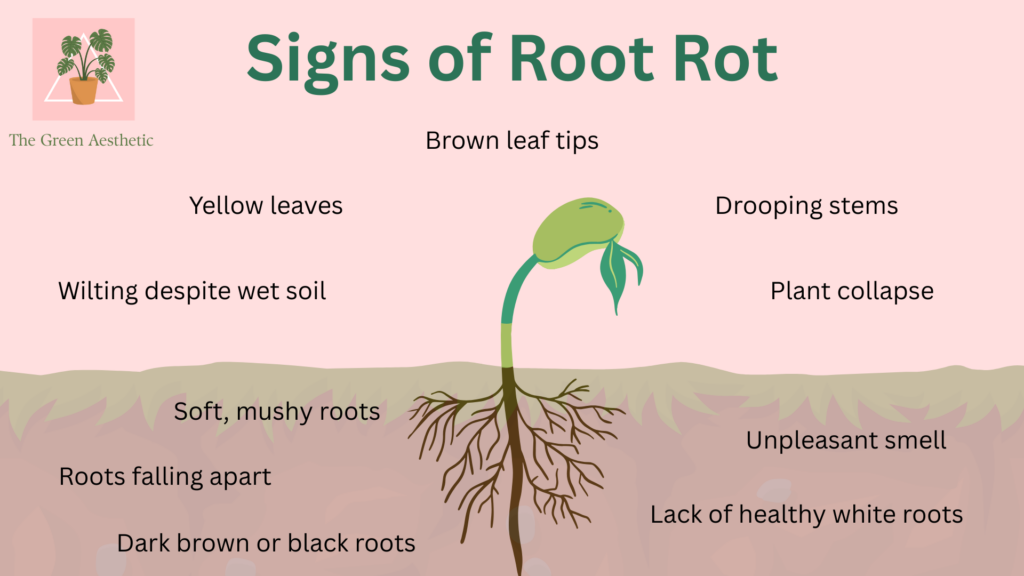
Signs often appear above the soil first. Yellow leaves are a common symptom, especially when soil stays wet. Leaves may wilt even though the plant has plenty of water. As damage spreads, leaves turn brown and fall off.
Other symptoms include slow growth, drooping stems, and a bad smell from the plant’s soil. In advanced cases, the entire plant collapses. These visible symptoms usually mean the roots of your plants are already affected.
What Do Rotten Roots Look Like?
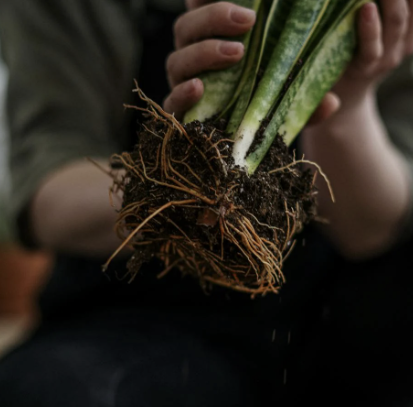
Healthy roots are firm, white, and flexible. Affected roots look dark, soft, and mushy. They may break apart when touched and give off an unpleasant smell. These signs of rot show that the plant’s vascular system is damaged.
If you still see some healthy white roots, the plant has hope. If most roots are gone, the plant may have suffered too much damage.
How to Check the Roots of Your Plant
To confirm, you must inspect the roots directly. Carefully remove the plant from its pot. Gently remove old potting mix and examine the roots of a plant closely.
Look for soft, dark roots and soggy soil. Healthy roots should not smell bad. This step is the best way to confirm indoor plant root rot and decide on treatment.
Causes of Root Rot
The main cause is excess water. Overwatered soil stays wet for long periods and limits airflow. Poor drainage makes this worse, especially in pots without drainage holes.
Other causes include dense potting mix, heavy organic matter, and clay soils. These conditions trap water and reduce oxygen in the root zone. Over time, fungal diseases grow and attack plant roots.
Can Root Rot Spread?
Yes, it can spread through wet soil. Harmful fungi move easily in moist conditions. They infect nearby roots and may reach the plant’s stem.
In cases of root rot stem damage, recovery becomes difficult. Early detection and quick action help limit spread.
Step-by-Step Treatment
Start by removing the plant from its pot and clearing away all old compost. This stops fungal growth from spreading further. Use a sharp, clean knife to trim off all dark and soft roots. Leave only healthy white roots.
Cut back the top growth of your plant to match the reduced root system. This lowers stress on the plant. Treat the remaining roots with a fungicide or hydrogen peroxide solution. Finally, repot the plant in a new pot with fresh soil and good drainage.
Using Hydrogen Peroxide for Root Rot
Hydrogen peroxide is a useful tool for fighting root rot. It contains an extra oxygen atom that releases oxygen into the soil. This raises oxygen levels in the root zone and helps healthy roots recover.
Mix one tablespoon of 3% hydrogen peroxide with one litre of lukewarm water. Water the soil once and allow excess water to drain. Bubbling is normal and shows the free oxygen radical is working.
Hydrogen peroxide should be used occasionally. Using the right concentration level is important to avoid plant damage.
Why Hydrogen Peroxide Helps
Root rot thrives in low oxygen conditions. Hydrogen peroxide increases oxygen and weakens harmful bacteria and fungi. It also supports beneficial microbes and beneficial bacteria already present in the soil.
Think of it as short-term support, not a long-term fix. Good drainage and proper watering matter more.
Why Plants Growing in Water Do Not Get Root Rot
Plants growing in water rarely develop root rot. Water contains dissolved oxygen that roots can access easily. These plants form water roots adapted to high oxygen levels.
In soil, overwatered conditions trap roots and limit oxygen. This difference explains why soggy bogs in nature still support healthy plants while house plants rot indoors.
How to Prevent Root Rot
Preventive measures are the best practices for avoiding root rot. Always use pots with drainage holes and well-draining potting mix. Choose soil with good structure and avoid compacted soil particles.
Water based on plant needs, not a strict schedule. Reduce watering during winter months and cool temperatures. Good drainage and airflow protect healthy roots.
Watering Habits That Work
Check soil moisture before watering. Do not water if the plant’s soil is still wet. Adjust watering for light, temperature, and plant type.
A small change in habits can prevent a lot of damage. Consistent observation beats routine watering.
Fungus Gnats and Root Rot
Fungus gnats are often linked to root rot. They thrive in wet soil and overwatered soil. Seeing them can be an early warning sign.
Fix watering habits and improve soil drainage quickly. This helps stop further root damage.
Can a Plant Recover From Root Rot?
Yes, many plants recover when treated early. If some healthy roots remain, recovery is possible. Plants with severe root loss may not survive.
Each healthy root saved increases the chance of success. That alone is worth a mini victory dance.
Plants Most Susceptible to Root Rot
Succulent and Cactus Plants
Succulents store water in their leaves and stems. They need very little water. When soil stays wet, roots rot quickly.
Common examples include Jade plant, Aloe vera, Echeveria, Haworthia, and Cactus plants.
These plants prefer dry soil and excellent drainage.
Plants With Thick or Fleshy Roots
Plants with thick roots hold water longer. Wet soil cuts off oxygen fast.
Examples include Snake plants, ZZ plants, Ponytail palm
Overwatering these plants is a common mistake.
Tropical Houseplants
Many tropical plants like moisture, but not soggy soil. Poor drainage causes fast root damage.
Common examples Monstera, Philodendron, Pothos, Peace lily, Calathea
These plants need balance. Moist soil is fine. Wet soil is not.
Plants Less Likely to Get Root Rot
Some plants tolerate moisture better.
Examples include Spider plants, Lucky bamboo grown in water, Papyrus
Even these plants can rot if oxygen levels drop.
Why Some Plants Rot Faster
Plants with low oxygen tolerance rot faster.
Plants adapted to dry climates suffer first.
Dense soil and poor drainage raise risk for all plants.
Matching plant watering needs to soil type is the best prevention.
Root rot is not about the plant alone. It is about soil, drainage, and watering habits.
FAQ: Root Rot
What are common root rot treatment methods?
Trimming roots, fresh soil, better drainage, and hydrogen peroxide treatments.
Can a plant recover from root rot?
Yes, if healthy roots remain and care improves.
What are the signs of root rot?
Yellow leaves, wilting, brown leaves, bad smells, and collapsing plants.
How do you get rid of root rot?
Remove wet soil, trim damaged roots, repot, and correct watering habits.
Is root rot caused by overwatering?
Yes, overwatering is the most common cause of root rot.