
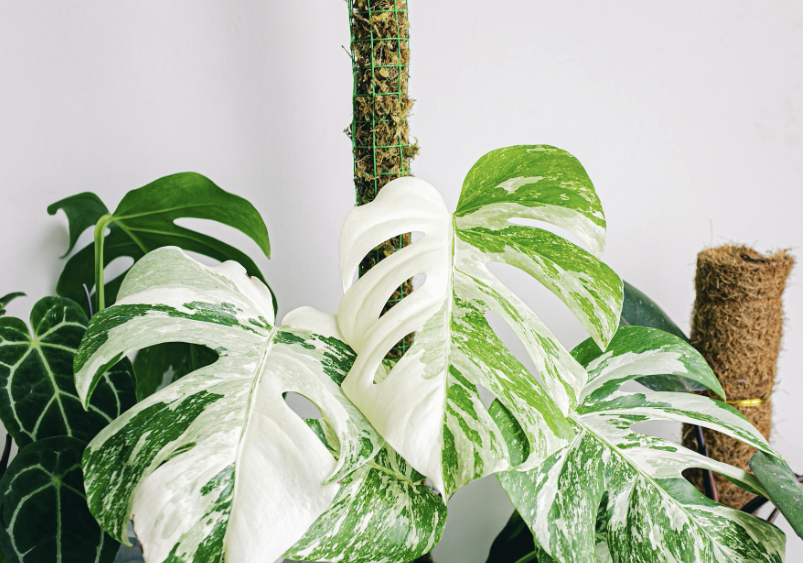
Monstera plants are some of the trendiest indoor plants right now, and it is easy to see why. Their large, beautiful leaves turn any living space into a bold statement piece. When grown well, this plant can create a lush indoor jungle with very little care.
The most well-known species is Monstera deliciosa, often called the Swiss cheese plant. Another popular choice is Monstera adansonii, also known as the Swiss cheese vine. These common types come from tropical areas of Central America, where they naturally climb trees.
Indoors, these fast-growing plants still want to climb. The best way to support that natural growth is by using a trellis or support pole. This guide will show you how to trellis a Monstera in a simple, effective way.
Do You Need to Trellis a Monstera?
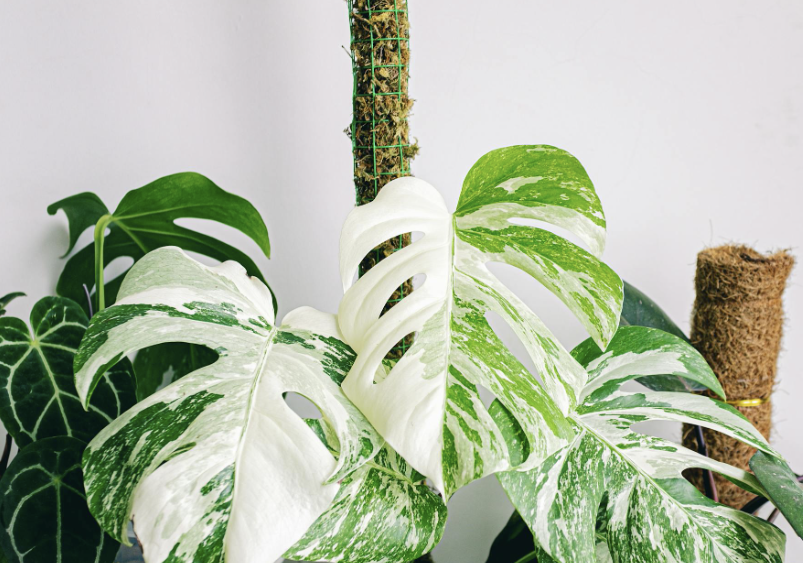
In the wild, plants in the genus Monstera grow as vining plants. They attach themselves to trees using their plant’s aerial roots. This helps them reach light and grow larger leaves over time.
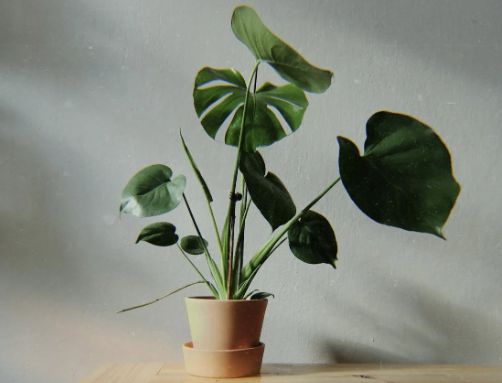
Inside your home, there are no trees. Without proper support, Monstera vines often grow outward instead of up. The main stem may lean, and the plant can become unbalanced. Over a number of years, this can lead to smaller leaves and weaker growth.
Adding a houseplant trellis gives your plant something to climb. It allows the plant to grow the way it was meant to grow.
Benefits of Training a Monstera to Climb
Training a Monstera to climb has many benefits, both for the plant and your space. When supported, Monstera plants focus their energy on vertical growth instead of spreading out.
Climbing encourages larger plants with large leaves and deeper fenestrated leaves. The stems grow stronger, and the plant looks more structured. It also helps prevent leaning and broken stems as the plant matures.
A trellised Monstera uses space more efficiently. This makes it a great option for smaller homes or apartments. The result is a healthier plant and a cleaner, more intentional look.
When Should You Trellis a Monstera?
The best time to trellis is earlier than most people expect. Young plants with thinner stems are easier to train and adjust. Waiting too long can make the process harder.
Signs your growing plant needs support include leaning toward light, visible aerial roots reaching outward, or new growth growing sideways. These are clear signals the plant wants to climb.
When Does a Monstera Need a New Trellis?
As your plants grow, they often outgrow their first support. Larger plants may become top-heavy, or new growth may rise above the trellis. When this happens, it is time to upgrade to a taller or sturdier trellis.
Choosing the Right Support for Your Monstera
There are many types of support available, and not all work the same way. The right trellis depends on your plant’s size, growth stage, and your home’s style.
Is a Trellis Compatible With Monstera’s Natural Needs?
Yes, very much so. Monstera plants prefer vertical surfaces that their aerial roots can grip. Rough textures and added moisture help roots attach and stay secure.
This is why moss poles and coco coir poles are often the preferred option. They closely mimic the bark and surfaces Monstera plants climb in nature.
Design and Aesthetic Considerations
Your Monstera is part of your indoor garden, so appearance matters. A wooden trellis adds warmth and blends well with natural decor. A moss totem pole creates a strong tropical vibe. Metal trellises look modern but may dry out roots faster.
Choose a support that fits both your plant and your living space.
Types of Trellis and Supports for Monstera
There are a number of versions of moss poles and trellis support options available. Each has its strengths and limits.
Using a Moss Pole
A moss pole is one of the most popular types of support. These poles are often made with sphagnum moss or coco coir from the outer husk of coconuts. Both options provide texture and hold moisture.
Moss poles help Monstera’s aerial roots attach naturally. They also encourage vertical growth and larger leaves. For large or fast-growing plants, this is often the best choice.
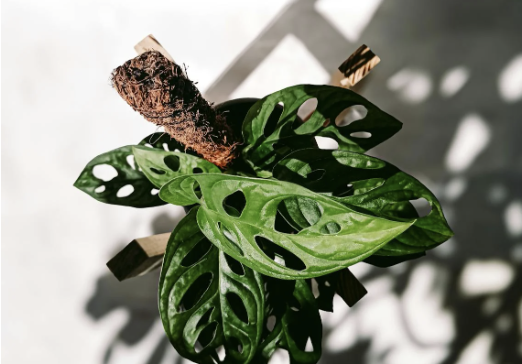
DIY Moss Trellis
A DIY moss trellis is a good idea if you enjoy hands-on projects. Many people use wire mesh filled with sphagnum moss to create a custom support. Supplies are easy to find at a hardware store.
DIY options can save money, though some versions are a less sustainable option. The quality depends on materials and upkeep.
Wooden Trellis and Wooden Planks
Wooden planks and wooden trellises offer strong, sturdy support. They work well for large Monstera plants with a thick main stem. However, wood does not hold moisture, so aerial roots may need extra misting.
Bamboo Stakes and Bamboo Canes
Bamboo stakes and bamboo canes are easy to find and budget-friendly. You can often find them at a grocery store plant section or garden center. These supports work best for young plants or short-term use.
How to Trellis a Monstera
Setting up a trellis does not require major construction. With the right steps, the process is simple and safe for the plant.
How to Set Up a Trellis
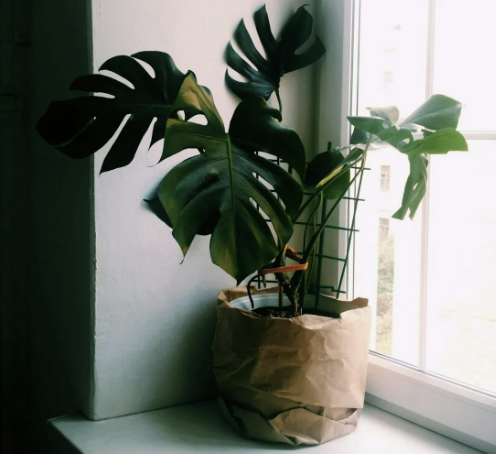
Choose a support that is tall enough for future growth. Place the trellis at the back of the pot, close to the main stem. Gently push it down into the soil, taking care not to damage roots.
If you are repotting into a new pot, install the trellis first. This gives better stability and reduces stress on the plant.
Securing the Stems Safely
Use plant ties made from soft material. A soft rubber tie is ideal. Secure the stem loosely so it can grow and move naturally. Never pull or force the Monstera’s vine into position.
Ongoing Care After Training
Once trained, a Monstera needs only small adjustments over time. Regular care helps maintain healthy growth.
Basic Care After Adding a Trellis
Keep the plant in bright, indirect light. Water when the top soil dries out. Feed during the growing season using a simple plant care kit if needed. For the full care guide, ready my post on Monstera Care Guide: How To Grow a Healthy and Beautiful Plant.
How to Encourage Climbing Over Time
Guide new growth toward the support. Lightly mist the moss or roots to provide extra moisture. This encourages the plant’s aerial roots to attach and climb.
Common Problems and How to Fix Them
If the plant still leans, the support may not be sturdy enough. A thicker support pole or heavier pot can help. If leaves remain small, the plant may need better light or stronger vertical support.
Maintenance and Monitoring Growth
Check plant ties every few weeks and adjust as the stem grows. Watch for new growth and stronger leaf size. Healthy climbing plants develop larger leaves with clear fenestrations.
FAQ
What Is the Best Trellis for a Monstera?
A moss stick or coco coir pole is often the preferred method. It provides grip, moisture, and proper support for aerial roots.
Will Monstera Climb a Trellis?
Yes. Monstera plants naturally climb when given the right surface and support.
Is a Moss Pole or Trellis Better for Monstera?
A moss pole is usually better long term. It supports aerial roots and promotes vertical growth more effectively than smooth trellises.
What Can I Use for My Monstera to Climb?
You can use a moss pole, coco coir pole, wooden trellis, bamboo stakes, or other sturdy plant support. The best option depends on plant size and growth stage.
Final Tips for Success
Monstera plants are built to climb, and supporting them is a natural step in plant care. Start early, choose a sturdy trellis, and make small adjustments as the plant grows.
With proper support, your Monstera will reward you with large, healthy leaves and a strong tropical presence in your home.