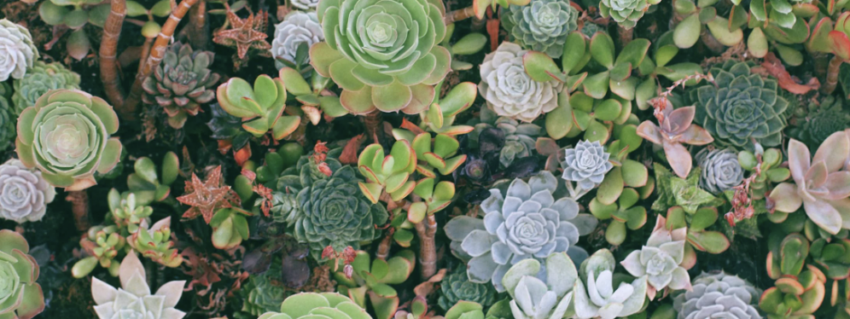
Succulents are low-maintenance plants with thick leaves that store water. They are popular indoor plants and outdoor plants.
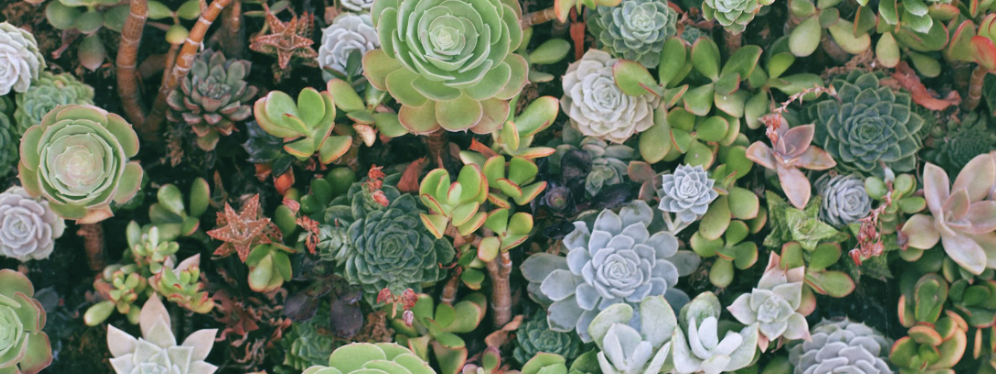
Healthy succulents have a bright green color and firm succulent leaves. When a succulent turning yellow appears, it often means stress.
Some yellow leaves are normal. Dead lower leaves can yellow as new growth forms. This is a good sign. But a sudden color change across the entire plant is a possible reason for concern.
Understanding the main cause helps stop a succulent dying and restores overall plant health.
Unhealthy Appearance of your Succulents
A yellow succulent plant often shows clear warning signs.
- Leaf discoloration: Yellow leaves or yellow spots appear on plant leaves.
- Wilting or drooping: Shriveled appearance leaves or mushy leaves may form.
- Spots or marks: Dark spots, brown leaves, or a black stem can appear.
The bottom leaves of your succulent may turn yellow first. Wet soil at the bottom of the plant often signals trouble in the root system.
Causes of Unhealthy Succulents
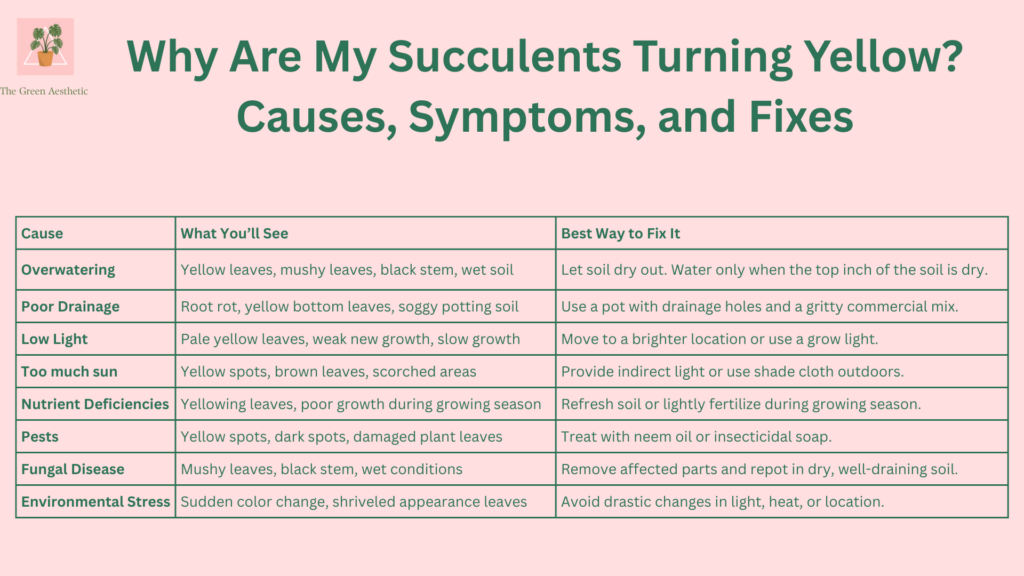
1. Overwatering (Most Common Reason)
Signs of Too Much Water
- Wet soil stays moist for long periods of time.
- Succulent leaves feel soft or mushy.
- Root rot develops in wet conditions.
Overwatered succulents are the most common reason for yellowing. Excess water suffocates the plant’s roots and stops energy production.
2. Poor Drainage or Wrong Pot
Drainage Issues
- Pots without drainage holes trap excess water.
- Small holes of the pot or no large drainage hole cause soggy soil.
- The right pot always has bottom drainage holes.
Poor drainage leads to fungal disease and root rot. A commercial mix with gritty material works best.
3. Low Light or Insufficient Sunlight
Signs of Low Light
- Succulents leaves stretch and lose green color.
- Yellow leaves appear without dark spots.
- Growth slows or stops.
Succulents need enough light. Indoor plants often need a brighter location or a grow light.
4. Excessive Light or Sun Damage
Signs of Sun Stress
- Yellow spots or brown leaves appear.
- Leaves look scorched or dry.
- Entire plant shows stress response.
Direct sunlight for long periods can cause sun damage. In warmer climates, shade cloth is a good idea.
5. Nutrient Deficiencies
Lack of Nutrients
- Pale yellow leaves and weak new leaves appear.
- Poor potting soil lacks nutrients.
- Growth slows during growing season.
Nutrient deficiencies happen when plants stay in the same soil too long.
6. Pests and Diseases
Common Pests
- Spider mites and small insects suck plant juices.
- Yellow spots and dark spots may form.
Use neem oil or insecticidal soap to treat pests.
Fungal Disease
- Humid conditions and wet soil encourage fungus.
- Black stem and mushy leaves may appear.
7. Environmental Stress
- Drastic changes in light or temperature cause stress.
- Extreme heat or harsh conditions damage succulent garden plants.
- Moving plants to a different location too fast causes shock.
How to Save your Succulents
Adjust Watering
- Water only when the top inch of the soil is dry.
- Give a good soak, then let drained water escape.
- Less water is the easiest way to prevent root rot.
Improve Lighting
- Move plants to bright light with indirect light.
- An east facing window works well for indoor plants.
- Avoid sudden changes in light exposure.
Treat Pests and Diseases
- Remove dead leaves and dead lower leaves.
- Apply neem oil or insecticidal soap weekly.
- Isolate infected plants if needed.
Improve Soil and Pot
- Repot into new soil with gritty material.
- Use a commercial mix made for succulents.
- Choose the right pot with a large drainage hole.
Fertilize Properly
- Feed lightly during growing season.
- Avoid excess fertilizer in dry soil.
Preventing Future Problems in your Succulents
- Follow a simple care routine.
- Check soil surface and plant’s soil before watering.
- Use regular watering, not frequent watering.
- Watch the bottom of the plant for yellow leaves.
- Repot when the root system outgrows the pot.
Succulents are hardy, but they still need balance.
Yellow leaves on succulents usually come from too much water, poor drainage, or low light.
- Check drainage holes and potting mix.
- Adjust light and watering habits.
- Act early to stop root rot.
With the right care, succulent leaves return to a healthy green color. Monitor changes and respond early for the best way to keep your plants thriving.