
String of hearts is a beautiful trailing plant with delicate, heart-shaped leaves. Its vines can grow long and full. Because of this, many plant lovers want more plants quickly.
Luckily, string of hearts propagation is simple and rewarding. There are different ways to do it. Some methods work faster than others.
This step-by-step guide explains the best way to propagate string of hearts. You will learn easy methods, common mistakes, and how to get best results.
Background
String of hearts is also called chain of hearts, rosary vine, or necklace vine. Its genus name is Ceropegia woodii. The plant comes from South Africa.
It is a low-maintenance plant with dark green, heart-shaped leaves. Some varieties are variegated string of heart plants. They have pink and silver markings.
String of hearts plants grow as trailing vines. They are popular indoor hanging plants and look great in a hanging pot. They also produce small tubular flowers under the right conditions.
When to Propagate String of Hearts
Timing is very important for propagation success. The best time is during the growing season.
Spring and early summer are a great time. Late summer also works well. Avoid winter months when growth slows.
Warm temperatures and enough light help root growth. Propagation is slower in cold or dark spaces.
Tools Required
Before you begin, gather your supplies. This makes the propagation process easier.
You will need sharp scissors or a clean knife. You will also need a small pot with drainage holes. Fresh soil or water is needed too.
Optional items include rooting hormone, sphagnum moss, or a clear plastic bag. Some plant enthusiasts also use affiliate links to find tools.
Choosing a Healthy Stem
Always start with a healthy stem from the mother plant. The parent plant should look strong and full.
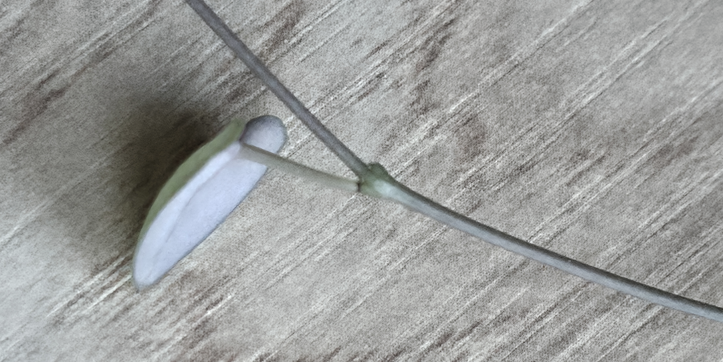
Choose a stem with several leaf nodes. Leaf nodes sit at the base of the leaves. These nodes grow roots.
Avoid weak or damaged vines. A healthy stem gives the highest success rate.
Propagation Medium Explained
There are different propagation methods for string of hearts. Each method has benefits.
Water propagation lets you watch root growth. Soil propagation creates stronger roots. Tuber propagation uses small tubers along the vine.
All methods work. The best way depends on personal preference and conditions.
Propagation Steps for String of Hearts
Soil Propagation (Best for Strong Roots)
First, cut a healthy stem below a leaf node. Use sharp scissors for a clean cut.
Next, place the stem on top of the soil. Gently press nodes into the potting mix. Do not bury the leaves.
Use well-draining soil with excellent drainage. Avoid soggy soil and excessive moisture.
Place the pot in bright indirect light. Keep the soil lightly moist.
Roots usually form in a couple of weeks. New leaves appear soon after.
Water Propagation (Easy Way)
Cut a healthy stem with several nodes. Remove the lower set of leaves.
Place the stem in water. Keep leaf nodes underwater, but leaves above water.
Change the water often. Much water sitting too long causes root rot.
Once roots grow, move the cutting to fresh soil in a new pot.
Butterfly Method (High Success Rate)
The butterfly method is very popular. It creates bushier growth and a fuller plant.
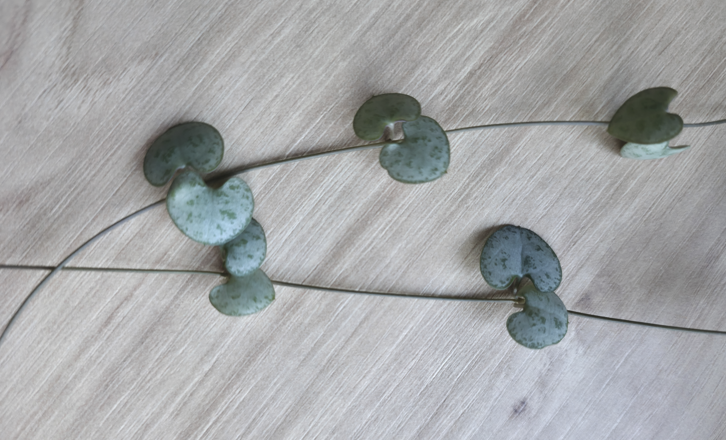
Cut short sections with two leaves and a node. Lay each piece flat on soil.
Pin the node to the soil surface. Leave leaves facing up like wings.
Mist lightly and cover with a clear plastic bag. This creates high humidity.
This method works fast and gives best results.
Tuber Propagation
String of hearts grows aerial tubers along the vines. These look like small balls.
Place the tuber on top of soil. Make a small hole if needed.
Roots grow from the tuber quickly. This is a great option for fast growth.
Aftercare and Growing Tips for String of Hearts
Place cuttings in a bright location with indirect sunlight. Avoid much sunlight early on.
Keep soil lightly moist, not wet. Too much water causes root rot.
Use a small pot at first. Move to a separate pot once roots form a root ball.
Proper care leads to new growth and trailing vines. Soon, you will have a fuller plant.
Pros and Cons of Different Methods
Soil propagation gives strong roots and long-term success. However, you cannot see roots forming.
Water propagation is simple and clear. However, roots are weaker at first.
The butterfly method gives bushier growth. It does require more setup.
All methods work well under ideal conditions.
Troubleshooting Propagation
If cuttings rot, soil may be too wet. Check for soggy soil and poor drainage.
If roots do not form, light may be low. Move to brighter indirect light.
Environmental factors like cold air slow growth. Warm rooms give better results.
Watch for common pests like spider mites. Treat early to protect new plants.
Common Mistakes to Avoid
Using dull tools damages stems. Always make clean cuts.
Overwatering is a common problem. String of hearts is a succulent plant.
Propagating in winter months slows success. Wait for a great time instead.
Frequently Asked Questions
Is it better to propagate strings of hearts in water or soil?
Soil propagation gives stronger roots. Water propagation is easier to monitor.
What are common propagation mistakes to avoid?
Overwatering, low light, and cold temperatures cause most failures.
How long does it take for a string of hearts to root?
Roots often form in two to four weeks. Growth speed depends on conditions.
Can you put String of Hearts cuttings straight into soil?
Yes, soil propagation works very well. Use well-draining soil and light moisture.
Why does my string of hearts have balls?
Those are aerial tubers. They help store energy and grow new plants.
What’s the easiest way to propagate string of hearts?
The butterfly method is the easiest way. It also creates bushier growth.
How can you tell if propagation is working?
New leaves, firm stems, and root growth are good signs.
String of hearts propagation is a good idea for all plant lovers. It is simple, fun, and rewarding.
With the right conditions, success comes quickly. Soon, one beautiful plant becomes many.