
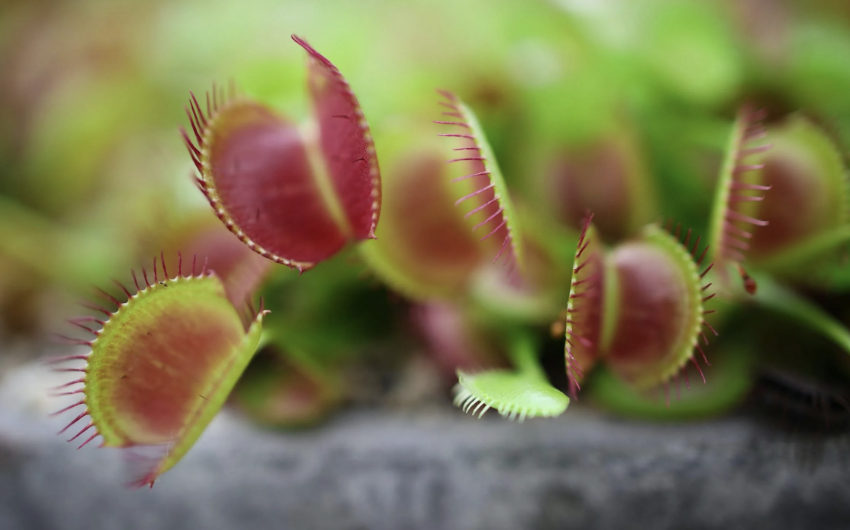
Venus flytrap plants are amazing carnivorous plants. Their scientific name is Dionaea muscipula. They are native to South Carolina and grow in nutrient-poor soil.
These plants catch small insects using trigger hairs inside their traps. The size of the trap depends on the health of your plants. Good soil is the only reason they stay strong and form new traps.
Choosing the right type of soil is very important. Regular potting soil will kill a venus fly trap. This guide explains exactly what soil to use and what to avoid.
If you are new to plants and struggling with soil, read my post The Beginners Guide To Understanding Soil.
Venus Flytrap Plant Overview & Natural Environment
Venus flytraps grow in bog plants communities. Their natural environment has acidic soil and very low mineral content. The soil is wet but not rich.
They grow in full sun and humid environments. Warm summer days help them grow well. Cooler temperatures trigger winter dormancy.
Unlike normal plants, venus flytraps do not need fertilizer. They get nutrients from unsuspecting insects and live insect meals.
What Soil to Use for Venus Flytrap
The best soil mix is simple and clean. It must be nutrient-poor soil with no added fertilizer.
Best Soil Mix (By Volume, Not Weight)
Always measure by volume, not weight. Use cups or scoops to measure equal parts.
Standard peat mix ratio:
- 1 part pure peat moss
- 1 part horticultural sand or parts silica sand
OR
Peat and perlite mix:
- 1 part sphagnum peat moss
- 1 part perlite
You can also use pure long fibre sphagnum moss. This works well as a growing medium.
All ingredients must be free of fertilizer. This creates the best soil mix for carnivorous plants.
Components of Good Venus Flytrap Soil
Pure peat moss holds moisture and keeps soil acidic. Acidic soil is required for healthy growth.
Horticultural sand improves drainage and structure. It prevents compaction.
Perlite creates air pockets in the soil medium. It reduces root rot risk.
Long-fiber sphagnum moss increases water retention. It works well in high humidity areas.
This carnivorous plant soil mix copies the natural bog environment.
What Soil NOT to Use (And Why)
Never use regular potting soil. It contains fertilizer and minerals.
Do not use garden soil from a hardware store. It has high mineral content.
Avoid compost or organic blends. They are too rich for venus flytraps.
Tap water is also dangerous because of minerals. Mineral buildup damages roots.
Wrong soil causes root rot and weak growth.
pH and Nutrient Balance
Venus flytraps need acidic soil. The soil should stay low in nutrients.
Nutrient-rich soil harms the roots. These plants evolved in poor soil.
The only nutrients they need come from small insects.
Drainage and Water Level
Good drainage is important. The soil should stay moist but not flooded.
Use the tray method for watering. Place the pot in a water dish with rain water.
Keep the water level low, about one inch deep. This keeps the surface of the soil damp.
Always use pure water such as:
- Rain water
- Distilled water
- Reverse osmosis water
- Mineral-free water
Never use tap water.
Planting Venus Flytrap plants in Pots
Planting in pots gives you control over soil and water. This is a good idea for beginners.
Plastic pots are best because they hold moisture. Clay pots can release minerals.
A plastic cup terrarium can work in humid environments.
Pot Size
Choose a pot that is at least 4 to 6 inches deep. The roots grow straight down.
Do not move to a much larger pot too quickly. A slightly larger pot is enough.
The size of the trap does not depend on pot size. It depends on light and soil quality.
Best Time to Plant, Transplant, or Repot
The best time to repot is early spring. This is before the growing season starts.
Avoid repotting during winter dormancy. The plant rests during winter months.
If winter approaches, wait until spring.
How Often to Repot
Repot every one to two years. Old peat breaks down over time.
Fresh soil improves drainage and plant health.
How to Repot a Venus Fly Trap
Gently remove the plant from its current pot. Shake off old soil carefully.
Place the plant in a new pot with fresh peat mix. Keep the top of the soil level with the base of the plant.
Press lightly but do not pack tightly. Water using distilled water.
How to Plant a New Venus Fly Trap
Fill the pot with your chosen potting medium. Make a small hole in the center.
Place the roots straight down. Cover them fully but keep the crown above soil.
Water using clean water and place in full sun.
Light Requirements
Venus flytraps need full sun. They require several hours of direct sunlight each day.
Six or more hours is ideal. A sunny windowsill can work.
In a colder climate, use fluorescent lights or artificial light.
More light means stronger growth and new traps.
Care After Planting
Keep soil moist at all times. Use the tray method.
Provide warm temperatures during the growing season. High humidity helps growth.
During hot summer months, watch soil temperature. Do not let it overheat.
Remove a flower stalk if the plant is weak. This saves energy.
For the full guide, read my post on How to Make a Venus Flytrap Grow Big.
Winter Dormancy
Venus flytraps need a period of dormancy. Winter dormancy lasts about three months.
Night time temperatures should drop during winter months. Cooler temperatures signal rest.
During dormancy, growth slows. Some traps may turn black.
This is normal and not a sign of death.
Signs of Inadequate Soil
Black traps during summer may signal root rot. Yellow leaves can mean mineral buildup.
Fungus gnats may appear in poor soil. Weak growth means the soil medium may be wrong.
Healthy plants produce steady new traps.
Good To Know About Venus Fly Traps
Charles Darwin once called venus flytraps one of the most wonderful plants in the world.
They only close when trigger hairs are touched twice. This prevents wasting energy.
They do not need dead insects often. Too much feeding can stress the plant.
Frequently Asked Questions
What soil is best for a Venus flytrap?
The best soil for a Venus flytrap is a nutrient-poor, acidic mix. Use one part pure peat moss and one part horticultural sand or perlite, measured by volume. You can also use pure long-fiber sphagnum moss. Never use regular potting soil because it contains fertilizers and minerals that can damage the roots.
How do you make your own Venus flytrap soil?
To make your own Venus flytrap soil, mix equal parts sphagnum peat moss and perlite or silica sand. Always rinse sand or perlite with distilled water before mixing. Do not add compost or fertilizer. These carnivorous plants need poor soil, not rich soil.
Do Venus Flytraps like deep pots?
Yes, Venus flytraps prefer deep pots because they grow long roots. Choose a pot that is at least 4 to 6 inches deep. Plastic pots are a good choice because they hold moisture and do not release minerals into the soil.
How wet should Venus flytrap soil be?
Venus flytrap soil should stay moist at all times. It should feel damp like a wrung-out sponge, but never flooded. Use the tray method by placing the pot in a shallow dish of distilled water or rainwater. Never let the soil fully dry out.
The best soil for venus fly trap is simple and clean. Use pure peat moss mixed with sand or perlite.
Always measure by volume. Never use regular potting soil.
Provide pure water, full sun, and proper winter dormancy. With the right conditions, you will grow a healthy plant with strong new traps.