
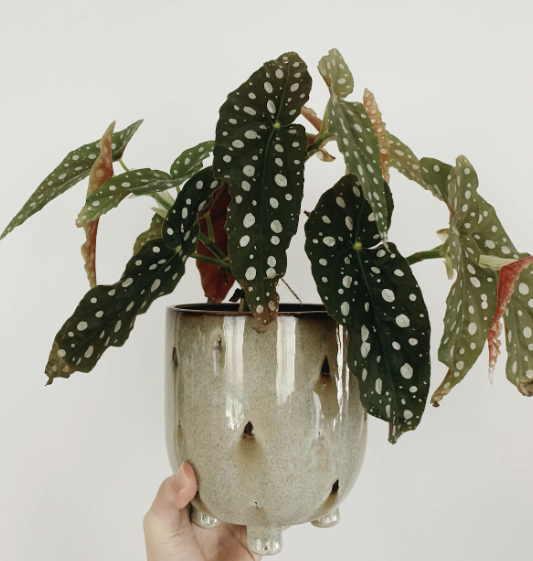
Begonias are loved for their bold leaves and bright flowers. Some grow for their colorful blooms. Others are grown for their patterned foliage. Whether you grow them indoors or outside in pots, begonias reward good care with steady growth and long-lasting beauty.
But when it comes to feeding, many gardeners get confused. Do begonias need fertilizer often? What type works best? And can you overdo it?
If you want fuller plants, brighter flowers, and strong roots, this post will walk you through everything you need to know.
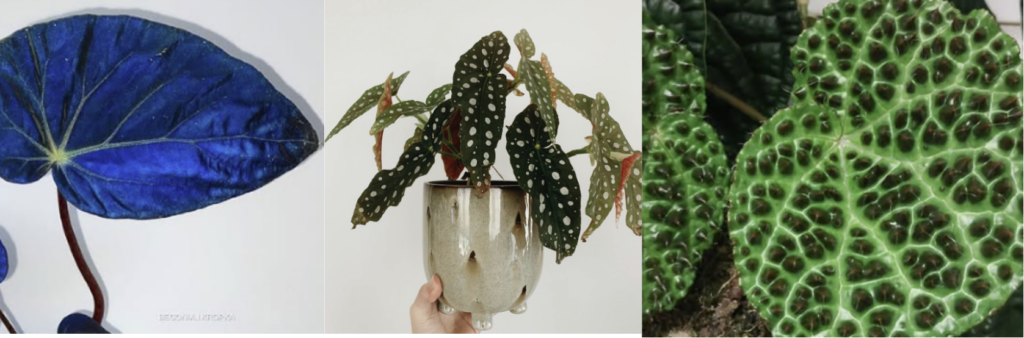
Do Begonias Even Need Fertilizer?
Yes, begonias benefit from regular feeding, especially during the growing season. Unlike slow growers, begonias are active plants. They produce lots of leaves and, in many cases, continuous blooms. That takes energy.
When grown in pots, nutrients in the potting mix get used up quickly. Rain and watering also wash nutrients out of the soil. Without fertilizer, growth slows, flowers become smaller, and leaves may lose color.
Fertilizer is not about forcing growth. It is about replacing what the plant naturally uses.
Signs Your Begonia Is Actively Growing
Begonias grow most actively in spring and summer. This is the best time to feed them. You will notice fresh leaves forming at the tips and new stems stretching outward. Flowering varieties will begin setting buds and producing blooms.
Healthy growth looks firm and upright. Leaves appear bright and full. If your plant sits in bright, indirect light and temperatures are warm, it is likely in active growth.
During fall and winter, most slow down. Feeding during this rest period is usually not necessary.
Can Begonias Survive Without Fertilizer?
Begonias can survive without fertilizer for a while, but they rarely thrive. Without nutrients, flowering slows and foliage may look dull. Plants grown in containers are especially dependent on regular feeding.
In garden beds with rich soil, begonias may need less support. In pots, however, fertilizer plays a bigger role.
If you want consistent blooms and strong growth, feeding makes a noticeable difference.
Signs Your Begonia Needs Fertilizer
Begonias often show clear signs when nutrients run low. Growth may stall during the growing season. Leaves can appear pale or slightly yellow. Flower production may slow or stop altogether.
It is important to rule out other issues first. Too much water, poor drainage, or root rot can also cause yellow leaves. Always check the soil moisture before assuming it is a nutrient problem.
Best Fertilizer for Begonias
The best fertilizer for begonias is balanced but slightly higher in phosphorus if you want more blooms. A balanced NPK ratio like 10-10-10 works well for overall growth. For flowering varieties, something like 10-15-10 can encourage better blooms.
Nitrogen supports leafy growth. Phosphorus supports flower production and strong roots. Potassium supports overall plant health and disease resistance.
For most home gardeners, a balanced liquid fertilizer used at half strength is the safest and easiest option.
NPK Ratio Explained
NPK stands for nitrogen, phosphorus, and potassium. These three nutrients support different parts of the plant.
Nitrogen grows leaves and stems. Phosphorus supports roots and flowers. Potassium helps the plant stay strong and healthy.
For begonias grown mainly for foliage, a balanced ratio works well. For flowering types, a slightly higher middle number can support more blooms without overfeeding.
Liquid vs. Granular Fertilizer
Liquid fertilizer is often the best choice for begonias in pots. It mixes with water and spreads evenly through the soil. This makes it easier to control how much the plant receives and reduces the risk of fertilizer burn.
Granular fertilizers release nutrients slowly, which can work well in outdoor garden beds. However, in containers, they can sometimes build up and cause salt problems if not watered properly.
If you are unsure, liquid fertilizer is usually the easiest and safest method.
Natural and Homemade Fertilizer for Begonias
Many gardeners ask about natural options. Mild compost tea can support soil health. Diluted fish emulsion can provide nutrients during active growth.
Coffee grounds are commonly suggested, but they are not ideal for begonias in pots. Coffee grounds can hold moisture and change soil structure, which may lead to poor drainage or fungus gnats. Begonias prefer well-draining soil, so adding heavy organic matter directly to the pot is not recommended.
Banana peel water is sometimes used to add potassium, but it should be diluted and used sparingly.
When using homemade fertilizer, less is always better.
Organic vs. Synthetic Fertilizers
Organic fertilizers improve soil structure over time and release nutrients more slowly. They are less likely to cause fertilizer burn. Synthetic fertilizers act faster and can quickly correct nutrient deficiencies.
Both types can work well. The most important factor is how much you apply. Begonias respond best to light, consistent feeding rather than heavy doses.
When to Fertilize Begonias
The best time to fertilize begonias is during spring and summer when they are actively growing. Start feeding once new growth appears. Stop or reduce feeding in fall as growth slows.
Avoid fertilizing during winter dormancy. The plant is resting and will not use the extra nutrients.
How Often to Fertilize Begonias
For potted begonias, feeding every two to four weeks during the growing season works well. Always dilute liquid fertilizer to half strength unless the label says otherwise.
Outdoor garden begonias may need less frequent feeding if planted in nutrient-rich soil.
How to Fertilize Begonias (Step-by-Step)
Start by watering the plant lightly. This prevents root burn. Mix liquid fertilizer at half strength according to the label. Pour slowly around the base of the plant until the soil is evenly moist. Avoid splashing leaves and flowers.
Let excess water drain completely from the bottom of the pot. Never allow the plant to sit in standing water.
Avoiding Fertilizer Burn
Fertilizer burn happens when too many salts build up in the soil. Leaves may turn brown at the edges or look scorched. Growth may suddenly stop.
To prevent this, always dilute fertilizer and flush the soil with clean water every few months. Good drainage is essential.
Signs of Over-Fertilizing
Too much fertilizer can cause weak stems, brown leaf edges, or wilting despite moist soil. You may also see a white crust on the soil surface. This is salt buildup.
Overfed plants often become more vulnerable to pests and diseases.
How to Fix Too Much Fertilizer
If you suspect overfeeding, stop fertilizing immediately. Flush the soil thoroughly with clean water to wash out excess salts. If damage continues, repot into fresh soil.
Allow the plant time to recover before feeding again.
Common Mistakes to Avoid
One common mistake is feeding too often. Another is fertilizing dry soil, which can burn roots. Ignoring drainage holes or letting pots sit in water can also cause root problems.
More fertilizer does not mean more flowers. Consistency and balance are key.
Frequently Asked Questions
What is the best fertilizer for begonias?
A balanced liquid fertilizer like 10-10-10 works well. For more blooms, choose one slightly higher in phosphorus.
Can I feed begonias with tomato feed?
Yes, you can use tomato feed because it is higher in phosphorus and potassium. Use it at half strength and only during active growth.
How often should I fertilize begonias in pots?
Every two to four weeks during spring and summer is usually enough. Reduce feeding in fall and stop in winter.
Do coffee grounds help begonias?
Coffee grounds are not ideal for potted begonias. They can hold moisture and affect drainage, which may lead to root problems.
Begonias are generous plants. When you give them light, warmth, and steady feeding during the growing season, they reward you with bold foliage and beautiful blooms. The secret is not heavy feeding. It is gentle, consistent care.
Feed lightly, watch your plant respond, and adjust as needed. Healthy begonias will always show you when they are happy.