
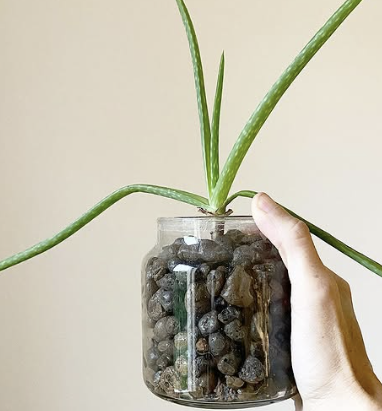
The hydroponic aloe vera plant is gaining attention in indoor gardening. Many people want plants that are simple to grow and easy to care for. Aloe vera plants fit perfectly into that trend because they are strong and forgiving.
Many homes already grow aloe in soil using well-draining soil and traditional pots. But growing aloe in water creates a clean and modern look. It also removes many common plant care problems that beginners often face.
Water-grown aloe plants need less guesswork. You can see the roots clearly and track the plant’s health. This method also works well for uploading & non-users who want plants that look beautiful quickly without complex care routines.
In this guide, you will learn how aloe adapts to water growing. You will also learn setup, care, propagation, and common problems. The steps are simple and easy to follow.
Can Aloe Vera Grow in Water?
Yes, aloe vera plants can grow in water for long periods when they are cared for properly. Aloe is a succulent plant, which means its thick leaves store water inside.
Because of this water storage ability, aloe can adapt to hydroponic growing. When an aloe plant moves from soil to water, the roots slowly adjust. Soil roots begin to transform into water roots.
These new roots often appear smoother and lighter in color. However, aloe normally grows slower in water than it does in well-draining soil. This slower growth is normal while the plant adjusts.
For the best results, only the root base should sit in water. The leaves must stay above the water line because wet leaves can rot quickly.
With clean water and good light, aloe can stay healthy in water for a long time.
Advantages of Growing a Hydroponic Aloe Vera Plant
Water growing offers many benefits for indoor gardeners. It simplifies care and reduces common plant problems.
First, hydroponic aloe is easy to maintain. You do not need to worry about soil moisture or overwatering. Water replaces traditional watering schedules.
Second, pests are less common. Soil pests like fungus gnats cannot survive without soil.
Another benefit is the clean appearance. A clear container allows you to see the plant’s root system. The roots become part of the display and add visual interest.
Water growing also helps you monitor plant health easily. If roots change color or become damaged, you can notice right away.
Finally, hydroponic plants reduce mess. There is no spilled dirt, dusty soil, or muddy containers.
Picking the Perfect Pot for Your Water-Grown Aloe
Choosing the right container is important for keeping aloe plants stable and healthy.
Key Considerations for Container Choice
Clear containers are often the best option because they let you observe root growth. Glass containers also create a clean and modern look.
Tall and narrow containers usually support the plant better than wide bowls. Aloe leaves can grow heavy over time.
Heavy containers work best because they stay stable. Glass vases, ceramic pots, and thick containers are good choices. Avoid thin plastic containers that can tip easily.
The container should hold enough water for about a week. Too little water can dry the roots quickly. Too much water can reduce oxygen in the container.
You may also add clay pebbles to support the plant. These pebbles help hold the plant upright while allowing air to move around the roots.
Always make sure the leaves stay above the water.
Setting Up Your Aloe Vera for Water Growing
Moving aloe from soil to water takes patience. A slow transition helps the plant avoid stress.
Start with a healthy aloe plant. The leaves should feel firm and thick. Avoid plants with soft spots or brown tips.
Gently remove the plant from its pot and shake away loose soil. Then rinse the roots under lukewarm water.
Remove every bit of soil from the roots. Soil left behind can cause bacteria to grow in the water.
Next, trim any damaged or soft roots using clean scissors. Healthy roots should feel firm and look pale or light tan.
Once the roots are clean, place the root base into room-temperature water. Cold water may slow the plant’s growth.
Step-by-Step Transition Guide
Follow these steps to move aloe into water safely.
First, select a healthy aloe plant or aloe pup. Pups are small baby plants that grow beside the parent plant.
Next, remove all soil from the root system. Rinse the roots carefully until they look clean.
After cleaning, trim weak or damaged roots. Healthy roots will adapt better to water.
Place the root base into a container filled with water. The leaves must remain dry and upright.
During the first few weeks, growth may slow down. This happens because the plant is adjusting to a new environment.
Caring for Aloe Vera in Water
Hydroponic aloe care stays simple when done regularly.
Change the water once each week to keep it fresh. Fresh water holds more oxygen and helps the roots stay healthy.
Keep the water level steady so the roots stay covered. At the same time, make sure the leaves stay dry.
Place the plant in bright indirect sunlight. Aloe enjoys light, but direct sunlight can heat the water too quickly.
Warm water may damage delicate roots.
Consistency is more important than perfection. A simple weekly care routine is usually enough.
Multiplying Aloe Plants Through Water Propagation
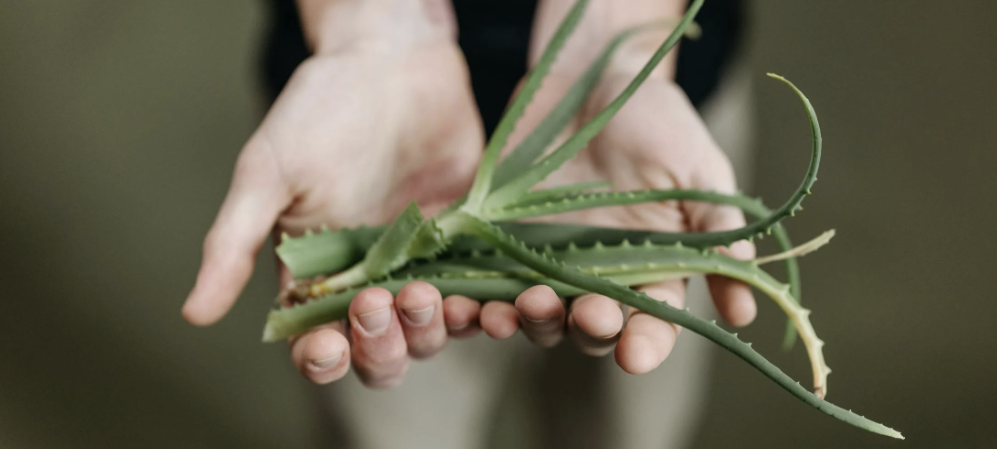
Aloe plants reproduce naturally by growing small baby plants called pups.
These pups appear at the base of the main plant. They already have small root systems.
Using pups is the easiest way to grow new aloe plants. Growing aloe from leaf cuttings is possible, but it is less reliable.
For the best results, choose healthy pups with strong mature leaves.
Detailed Propagation Guide
Begin by gently separating a pup from the main plant. Try to keep the small roots attached.
After separating the pup, rinse the roots with clean water to remove soil.
Place the pup into a small container filled with water. Small pots or narrow glass jars work well for young plants.
Make sure only the root base touches the water. The leaves must stay above the surface.
Change the water twice each week during the first month. Fresh water helps the roots adjust faster.
New roots often become stronger within three to six weeks.
After this stage, the plant can remain in water or move back into soil.
Tackling Challenges in Water-Grown Aloe Care
Even hardy plants sometimes face problems.
Yellow leaves often mean the water is not fresh enough. Changing the water more frequently can solve this problem.
A soft plant base may signal bacteria growth. Remove damaged parts quickly to prevent spreading.
Cloudy water usually means contamination. When this happens, wash the container fully and replace the water.
Healthy roots should look light tan or white.
Addressing Root Rot in Water-Grown Aloe Plants
Root rot is a common fear for plant owners. Fortunately, hydroponic plants often rot less than soil plants.
Why Soil Causes Rot Faster
Soil can trap water and reduce oxygen around the roots. When roots cannot breathe, bacteria grow quickly.
This is why plants sometimes rot in wet soil even when watered carefully.
Clean water holds oxygen naturally. Roots can breathe more easily in fresh water.
Problems usually happen only when water becomes dirty or stagnant.
Strategies for Root Rot Prevention
Preventing rot is simple when good habits are followed.
Change water weekly without skipping. Fresh water keeps oxygen levels healthy.
Watch root color often. Healthy roots remain light in color.
If you see dark or soft roots, trim them immediately with clean scissors.
Never mix soil with your water container. Soil introduces microbes that may cause decay.
LECA Semi Hydroponics for Aloe Plants
Some indoor gardeners use LECA systems instead of plain water.
LECA uses round clay balls that hold moisture while allowing airflow around the roots.
These clay balls work similarly to clay pebbles and help prevent root rot.
However, LECA systems usually require a nutrient solution because plain water does not provide enough minerals.
For beginners, simple water growing is often easier.
How Long Does It Take for Aloe Vera to Root in Water?
Root growth speed depends on temperature, plant health, and lighting conditions.
Root Development Phase
New roots usually appear within three to five weeks. Warmer indoor spaces often help roots grow faster.
Leaf and Plant Growth
After roots develop, new leaf growth begins slowly. Aloe plants focus on strengthening their root system first.
Full Plant Development
A healthy young plant may develop within several months. Patience is important when growing aloe.
Beautifying Your Space with Water-Grown Aloe Plants
Hydroponic aloe creates a calm and modern display inside homes and offices.
The thick upright leaves create vertical interest. The roots growing below add natural texture.
Clear containers allow the roots to become part of the decoration.
You can also use decorative ceramic pots with inner glass containers for added style.
Creative Display Ideas
Tall glass vases work well for larger aloe plants. They support the plant while showing the roots clearly.
Grouping several plants together creates a beautiful indoor display.
Add small decorative stones or clay pebbles to stabilize the plant if needed.
Place the plants near windows with bright but filtered light. Avoid dark corners because aloe needs sunlight to stay strong.
Bathrooms may also work well if they have enough natural light.
Feeding Hydroponic Aloe Vera Plants
Plants growing in water still need nutrients to stay healthy.
Plain water works for short periods, but eventually the plant will need extra minerals.
A diluted hydroponic fertilizer or nutrient solution can provide the needed nutrients.
Feed the plant once every four weeks using a weak mixture. Too much fertilizer may burn the roots.
If the leaves start looking pale, it may be a sign that the plant needs more nutrients.
Aloe Vera Growing Tips for Water Success
Always begin with a strong, healthy plant. Healthy plants adapt better to new growing systems.
Keep your tools clean when trimming roots or leaves. Clean tools help prevent bacteria.
Avoid moving the plant too often because stability helps roots grow stronger.
Trim damaged leaves early so the plant can focus energy on new growth.
Simple habits like these lead to the best results when growing aloe in water.
FAQ
Can you grow aloe vera in just water?
Yes, aloe vera plants can grow in just water when the root base sits in clean water and the leaves stay above the water line. Regular water changes keep the plant healthy.
What are common mistakes propagating aloe?
Common mistakes include placing leaves underwater, not changing water often, using weak plants, and trying to grow aloe from leaves instead of pups with mature leaves.
How to grow aloe vera in water without roots
Place the base of a healthy aloe cutting or pup in water. Keep the base submerged and the leaves dry. With bright light and fresh water, roots usually begin forming within a few weeks.
How long does it take for aloe vera to root in water?
Aloe roots typically appear within three to five weeks. Warm temperatures and good light help speed up root growth.
Which indoor plants can grow in water?
Many indoor plants grow well in water. Popular examples include pothos, snake plants, philodendron, lucky bamboo, and peace lily.
Can you break off an aloe plant and replant it?
Yes. Aloe pups can be separated from the parent plant and replanted. They grow best when they already have small roots attached.
Hydroponic growing shows that plants do not always need soil to survive. With the right setup, aloe vera plants can grow well in water and still stay healthy.
This method creates a clean display and simplifies plant care. With fresh water, bright light, and patience, hydroponic aloe can thrive indoors.
Whether you grow one plant or many, water-grown aloe offers a simple and rewarding way to enjoy indoor gardening.