
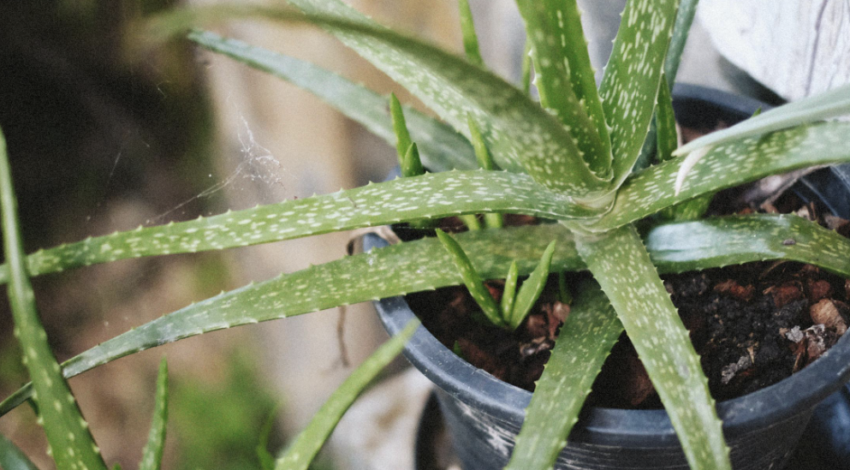
Aloe plants are some of the most loved indoor plants, and it’s easy to see why. With their thick, fleshy leaves and soothing gel, they are both beautiful and useful. Aloe vera, also known as A. barbadensis or the “plant of immortality,” is a tough plant that thrives with very little attention.
But even resilient plants need the right nutrients from time to time. If you want stronger roots, healthy leaves, and steady plant growth, using the best fertilizer for aloe vera can make a huge difference.
This guide will walk you through everything in simple steps, so you can build a plant care routine that works.
Do Aloe Plants Even Need Fertilizer?
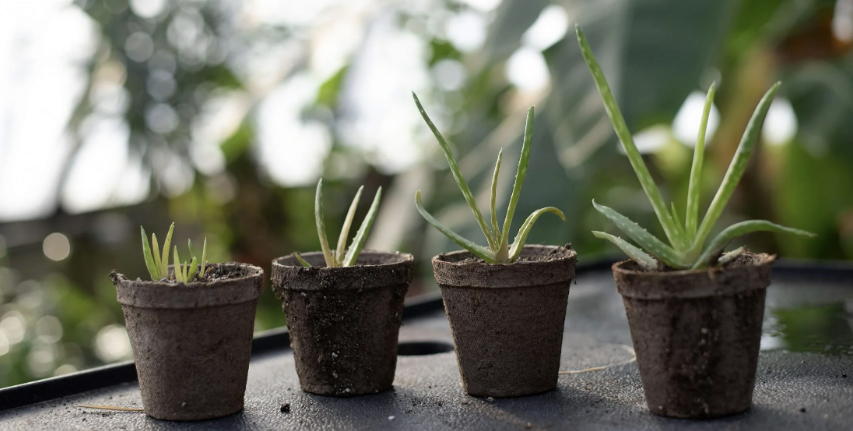
Aloe plants have low nutrient needs, which is why they are considered low maintenance. In their natural habitat, they grow in dry conditions with poor soil. This makes them very adaptable as indoor aloe vera plants.
That said, occasional feeding during the growing season can give your plant a little boost. Fertilizer supports root development, new leaves, and overall plant health. It is not something you need often, but when used correctly, it helps create healthier plants.
Think of aloe vera fertilizer as support, not a necessity.
Signs Your Aloe Vera Is Actively Growing
The best times to fertilize are during the growing season, which usually begins in early spring and continues through the summer months into early fall. This is when plant growth is at its strongest.
You will notice new leaves forming from the center of the plant. Aloe vera leaves will look plump, firm, and full of moisture. Healthy growth also means the plant’s roots are actively developing.
If your aloe is sitting in bright, indirect light or even some direct sunlight, it is more likely to be actively growing.
Can Aloe Vera Survive Without Fertilizer?
Yes, aloe vera can survive for years without fertilizer. Some plants go a couple years without any feeding at all. That is part of what makes aloe such a tough plant.
However, without a nutrient boost, growth may slow. Leaves may become thinner, and new roots may take longer to develop. Feeding is not required, but it is a good idea if you want the best results.
Signs Your Aloe Vera Needs Fertilizer
Aloe vera does not show dramatic signs right away. Instead, the changes are subtle. You may notice slow plant growth during the growing season, fewer new leaves, or less vibrant color.
Before adding fertilizer, always check your watering habits. Too much water is a common cause of root rot and poor soil health. Aloe prefers dry conditions and well-draining potting mix.
If the soil stays wet at the bottom of the pot, fix that first before feeding.
Best Fertilizer for Aloe Vera
The best fertilizer for aloe vera is gentle and balanced. A succulent fertilizer or diluted liquid fertilizer works very well. Aloe plants do not need much nitrogen, so avoid formulas that are too strong.
A balanced type of fertilizer, used at half strength, is usually the best way to go. This provides essential nutrients without overwhelming the plant’s roots.
Look for products at garden centers labeled for cactus or succulent plants. These are designed for low nutrient needs and work well for container plants.
NPK Ratio Explained
When choosing aloe fertilizers, you will see numbers like 10-10-10 or similar. These numbers represent nitrogen, phosphorus, and potassium.
Nitrogen supports leaf growth, but too much nitrogen can lead to weak, watery leaves. Phosphorus supports root development, and potassium supports overall plant health.
For aloe vera, a balanced ratio or slightly lower nitrogen level is ideal. The goal is healthy growth, not fast, weak growth.
Liquid vs. Granular Fertilizer
Liquid fertilizer is one of the best options for indoor plants. It mixes easily with water and spreads evenly through the potting soil. This reduces the risk of fertilizer burn and allows for a light touch.
Granular fertilizers and slow-release pellets can also be used, but they must be applied carefully. Too much fertilizer sitting in the soil can lead to excess nutrients and damage the plant’s roots.
For most people, liquid fertilizer used occasionally is the easiest way.
Types of Fertilizers to Consider
There are many types of fertilizers available, including organic fertilizers, chemical fertilizers, and natural fertilizers. Organic options like compost tea, worm castings, and natural ingredients help improve soil structure and support beneficial microbes.
Chemical fertilizers act faster and provide a quick nutrient boost, but they must be used carefully to avoid fertilizer burn.
Both options can work well if used correctly. The right fertilizer is the one that matches your plant care routine and is applied in the right amounts.
Natural and Homemade Fertilizer for Aloe Vera
If you prefer organic options, there are a few great choices. Compost tea is an excellent way to add nutrients and improve soil health. Worm castings provide trace minerals and essential micronutrients in a gentle form.
Banana peels can be used to make a light potassium-rich solution, but always dilute it. A thin layer of diluted natural fertilizer is enough.
Coffee grounds are a common question, but they are not recommended. They can affect soil structure, hold moisture, and increase the risk of root rot in aloe plants.
Avoid adding raw kitchen scraps directly to the pot, as they can attract pests and harm the plant.
Organic vs. Synthetic Fertilizers
Organic fertilizers improve soil health over time and support beneficial microbes. They release nutrients slowly and are less likely to cause excess nutrients.
Synthetic or chemical fertilizers provide a quick nutrient boost but can lead to fertilizer burn if overused.
For aloe vera, a gentle feed using organic options is often the best way, but synthetic fertilizers can also be used carefully.
When to Fertilize Aloe Vera
The right times to fertilize are during early spring through the summer months. This is when the plant is actively growing and can use the nutrients.
Stop feeding in late fall and winter when growth slows. Feeding during this time can lead to excess nutrients in the soil and stress the plant.
How Often to Fertilize Aloe Vera
Aloe vera only needs occasional feeding. Once every four to six weeks during the growing season is usually enough. Some plants may only need feeding once or twice a year.
Less is always better than too much fertilizer.
How to Fertilize Aloe Vera (Step-by-Step)
Start by watering the plant lightly. Mix your liquid fertilizer at half strength. Pour it evenly into the potting mix until it drains from the drainage hole.
Make sure excess water flows out of the bottom of the pot. Never let the plant sit in water, as this can lead to root rot.
Avoiding Fertilizer Burn
Fertilizer burn happens when salts build up in the soil. This can damage the plant’s roots and cause dry, brown tips on aloe vera leaves.
To prevent this, use a gentle feed and flush the soil with clean water every few months. Always avoid using too much fertilizer.
Signs of Over-Fertilizing
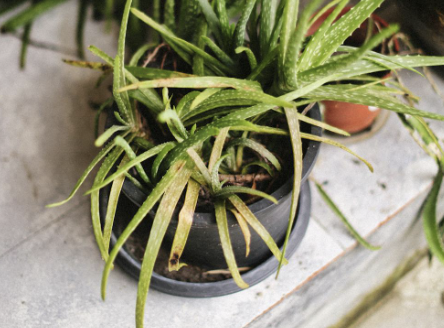
Too much fertilizer can cause soft, weak leaves, brown edges, or slowed growth. The plant may also show signs of stress like yellowing or mushy spots.
Overfeeding can also lead to transplant shock if you move the plant into a new container with fresh soil.
How to Fix Too Much Fertilizer
If you suspect overfeeding, stop fertilizing right away. Flush the potting soil with clean water to remove excess nutrients. If needed, repot into fresh soil with a well-draining potting mix.
Give the plant time to recover before feeding again.
Common Mistakes to Avoid
One of the most common mistakes is using too much fertilizer. Another is feeding during the wrong time of year. Poor drainage, no drainage hole, or excess water in the bottom of the pot can also cause serious problems.
Aloe vera thrives with a light touch. Keep things simple for the best results.
Frequently Asked Questions
What is the best fertilizer for aloe vera?
The best fertilizer for aloe vera is a gentle, balanced liquid fertilizer or a cactus and succulent fertilizer. Always dilute it to half strength and use it during the growing season. Aloe plants have low nutrient needs, so a light feed works best for healthy growth.
How do you perk up an aloe vera plant?
To perk up an aloe vera plant, start with the basics. Check the light, watering, and soil. Aloe plants need bright, indirect light and well-draining potting mix. Let the soil dry out between watering to avoid root rot. If the plant looks weak, a small nutrient boost during the growing season can help encourage new leaves and stronger roots.
Can aloe vera leaves be used as fertilizer?
Aloe vera leaves are not a reliable fertilizer on their own. While they contain some nutrients and amino acids, they break down slowly and can cause rot if placed directly in the soil. It is better to use proper aloe fertilizers or natural options like compost tea for safer results.
How do you make aloe vera fertilizer?
You can make a simple aloe vera fertilizer by blending a small piece of fresh aloe vera gel with water. Mix it into a gallon of water and use it as a gentle liquid feed. This provides a mild nutrient boost and trace minerals. Always use it occasionally and not as a regular replacement for balanced fertilizer.
Do aloe like shallow or deep pots?
Aloe plants prefer shallow pots rather than deep ones. Their root system spreads out more than it grows down. A wide container with good drainage holes is ideal. This also helps prevent excess water from sitting at the bottom of the pot.
Are coffee grounds good fertilizer for aloe vera?
No, coffee grounds are not a good fertilizer for aloe vera. They can hold too much moisture and affect soil structure, which increases the risk of root rot. Aloe plants prefer dry, well-draining soil, so it is best to avoid using coffee grounds altogether.
Aloe vera is a resilient, low maintenance plant that thrives with simple care. With the right fertilizer, used at the right time, you can support healthy growth, strong roots, and vibrant leaves.
Keep feeding light, focus on proper care, and your aloe will reward you with healthier plants and fresh aloe vera leaves for years to come.