
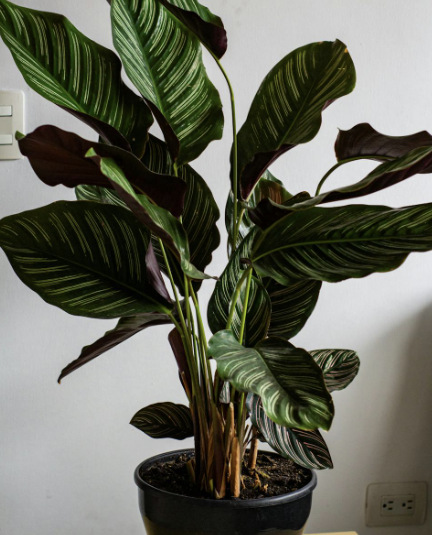
Calathea plants are some of the most eye-catching tropical indoor plants you can grow. With their bold patterns and dark green leaves, it’s easy to see why they’re so popular. You might also hear them called a prayer plant, because their leaves gently move up at night.
That said, they do have a bit of a reputation for being fussy. If you’ve ever dealt with yellow leaves, brown edges, or a sad-looking houseplant, you’re not alone.
But here’s the good news. In many cases, the problem isn’t you, it’s the soil.
Once you get the soil right, everything else becomes much easier. Your calathea will have a much better chance of growing strong, healthy, and full of new leaves.
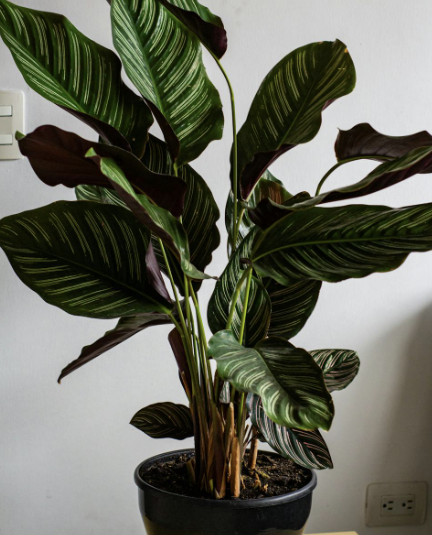
Understanding Calathea Natural Habitat
To really understand what soil your plant needs, it helps to look at where it comes from.
Calatheas are native to South America, where they grow along the forest floor under larger plants. This means they’re used to warm temperatures, high humidity, and soft, rich soil that never fully dries out.
At the same time, that soil is never heavy or soggy. Water drains through it easily, even though it stays slightly moist.
So, when you’re growing calathea indoors, your goal is to recreate that balance as closely as possible.
Key Soil Requirements for Calathea
Drainage Needs
First things first, drainage really matters. Calatheas don’t like sitting in water, and if the soil stays too wet, it can quickly lead to root rot.
So, you want a mix that lets excess water drain away, while still holding onto enough moisture to keep the roots happy.
Ideal pH Range
Calatheas prefer slightly acidic soil, somewhere between pH 6 and 7. Most good potting soil will already fall into this range, so you usually don’t need to worry too much here.
Nutrient Balance
They’re not heavy feeders, but they do still need some nutrients to support steady plant growth. During the growing season, a general houseplant fertilizer at half strength works well.
Soil Texture & Structure
If you pick up your soil, it should feel light and airy rather than dense or compact. This allows the roots to breathe, which is just as important as watering.
Factors to Consider When Choosing Soil
Before you settle on a soil mix, it’s worth thinking about your home environment.
For example, if your indoor space tends to be dry, your soil may lose moisture faster. On the other hand, if humidity levels are already high, the soil may stay damp for longer.
Your pot also plays a role. A pot with a drainage hole is essential, because it allows excess water to escape instead of collecting at the bottom of the pot.
It’s also important to adjust slightly during the winter months, when plant growth slows and the soil takes longer to dry out.
Recommended Soil Mix for Calathea
Best Store-Bought Soil Options
If you want to keep things simple, a good-quality potting soil made for tropical plants is a great starting point. Just make sure it isn’t too heavy.
DIY Soil Mix Recipe (Best Results)
If you’re happy to mix your own, you can create a much better blend quite easily.
A simple mix would be two parts potting soil, one part coco coir, one part perlite, and a small handful of orchid bark. This duo gives you the best of both worlds, it holds moisture but still drains well.
Recommended Ingredients in Soil Mix
Each ingredient plays a role. Coco coir helps hold moisture, perlite improves drainage, and orchid bark adds airflow to the mix.
Where to Purchase Soil & Amendments
You can find all of these at most garden centres or online plant shops without much trouble.
Choosing the Right Pot for Calathea
Types of Pots
The type of pot you choose can make a difference. Plastic pots tend to hold moisture longer, while clay pots dry out more quickly.
So, if your home has low humidity, plastic may be the better option.
Ideal Pot Size
When repotting, it’s best to go just one size up. A larger pot might seem like a good idea, but it can actually hold too much moisture and cause problems.
Importance of Drainage Holes
This one is non-negotiable. Always use a pot with a drainage hole. Without it, excess water builds up, and that’s when root rot becomes a real risk.
Best Time to Plant, Transplant, or Repot Calathea
Timing makes a difference here too. The best time to repot your calathea is during the growing season, usually in spring or early summer.
During this time, the plant recovers more quickly and settles into its new soil with less stress. It’s best to avoid repotting during winter months when growth naturally slows down.
How to Plant Calathea (Step-by-Step Guide)
Preparing the Soil
Start by mixing your soil well so everything is evenly combined. You want it to feel light and loose, not compacted.
Planting Instructions
Add a layer of soil to the pot, then gently place your plant inside. Fill in around the roots and press lightly to hold it in place, but don’t pack the soil down too tightly.
After that, give it a light watering using distilled water or filtered water.
Planting in Pots vs Ground
Calatheas are best grown in pots indoors, where you can control moisture, light, and humidity more easily.
Aftercare & Maintenance
Watering After Planting
After planting, keep the soil slightly moist. It shouldn’t feel dry, but it shouldn’t be wet either.
Also, try to avoid hard tap water, as it can lead to brown edges on the leaves over time.
Light Requirements
Place your plant somewhere with bright indirect light or medium light. Too much direct sunlight can damage the leaves, while low light may slow growth.
Feeding & Fertilizing
Feed lightly during the growing season using a general houseplant fertilizer at half strength. There’s no need to overdo it.
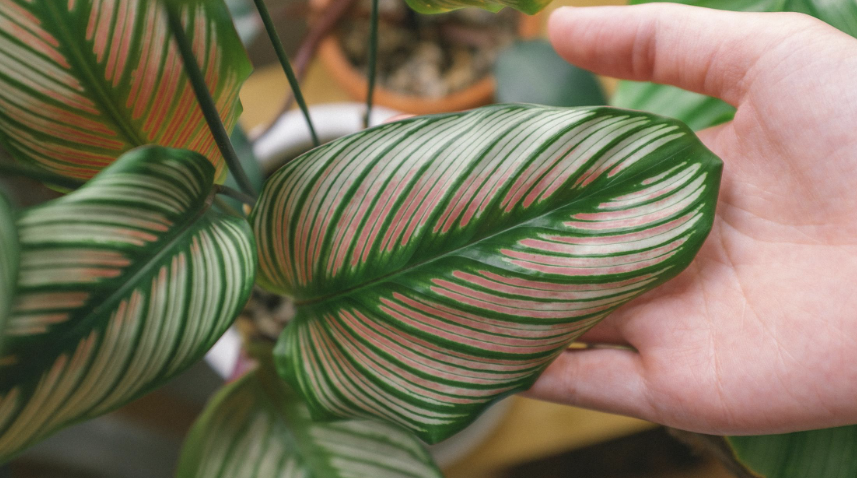
Repotting & Propagation
How Often to Repot
Most calathea plants need repotting every one to two years.
How to Repot Safely
Be gentle when handling the roots, as calatheas can be sensitive to repotting. A careful approach helps avoid unnecessary stress.
How to Split / Propagate the Plant
If your plant is large enough, you can divide it into smaller sections. Each section should have its own roots and leaves, which can then grow into a new plant.
Signs of Inadequate Soil
If something isn’t right with the soil, your plant will usually show it.
You might notice yellow leaves, brown edges, or slow new growth. In some cases, the soil may stay wet for too long, which can attract fungus gnats or lead to root rot.
These are all signs that the soil mix needs adjusting.
Common Soil Mistakes to Avoid
A few common mistakes can cause problems over time. Using heavy potting soil, overwatering, or choosing a pot without a drainage hole are some of the biggest ones.
It’s also easy to forget how important humidity levels are, especially with tropical plants like calathea.
Tips for Healthy Growth
If you want your plant to really thrive, a few small changes can make a big difference.
Try using a pebble tray to create extra humidity, especially in dry environments. Wiping the leaves with a damp cloth can also help prevent spider mites.
At the same time, keep your plant away from cold drafts and sudden temperature changes. Calatheas prefer a stable, warm environment with indirect sunlight.
FAQ
What kind of soil do you use for repotting Calathea?
A light, well-draining mix made from potting soil, coco coir, perlite, and orchid bark works best.
Do Calatheas like deep or shallow pots?
They usually prefer slightly shallow pots, as their roots don’t grow very deep.
Can I use orchid potting mix for Calathea?
You can, but it’s best mixed with regular potting soil so it holds enough moisture.
Does calathea need special soil?
Yes, it needs soil that keeps moisture in while still allowing excess water to drain away.
Are calatheas sensitive to repotting?
They can be, so it’s best to repot gently and only when needed.
Should I water my calathea from top or bottom?
Both methods work, but bottom watering can help keep soil moisture more even.
How often should you repot a calathea?
Usually every one to two years, depending on growth.
What are the biggest mistakes when repotting?
Using the wrong soil, overwatering, or choosing a pot that’s too large.
How to tell if calathea needs repotting?
Look for roots growing out of the drainage hole or slower growth than usual.
Do calathea plants like self-watering pots?
They can work well, as long as the soil doesn’t stay constantly wet.
Calatheas might seem a little tricky at first, but once you understand what they need, they’re much easier to care for.
Start with the right soil, pay attention to moisture, and create a comfortable environment. From there, your plant has everything it needs to grow well and show off those beautiful, patterned leaves.