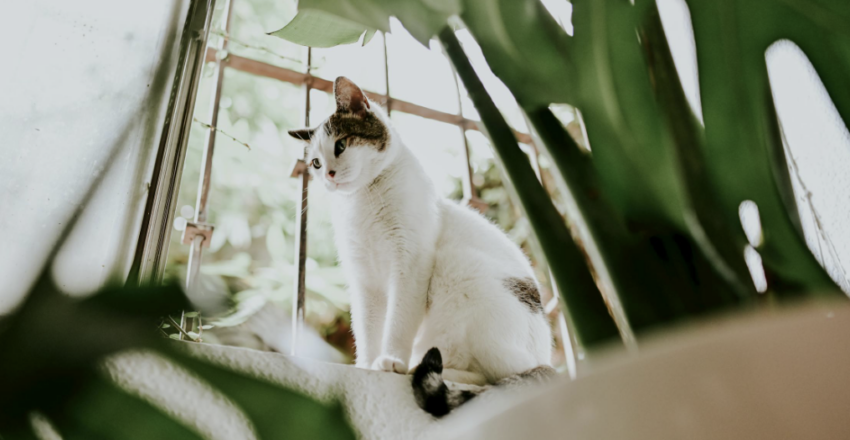
If your cat eats any part of a toxic houseplant, take them straight to the vet or your nearest veterinary clinic. Even small amounts can cause serious problems.
Let’s be honest. The rise of indoor gardening has made our homes greener and calmer. And for many cat owners, plants are part of that joy. But here’s the catch. Some common household plants are actually dangerous plants for our feline friends.
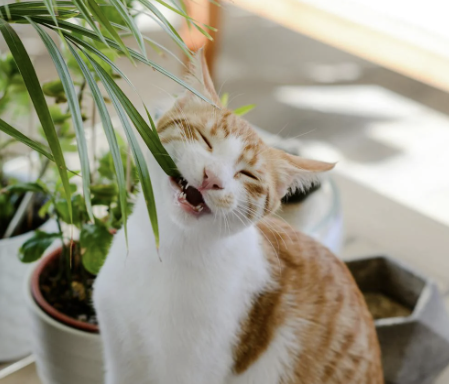
Cats are curious. They nibble. They explore. And while they are obligate carnivores, they still chew plant material out of boredom or instinct. Sadly, their evolutionary know-how does not always protect them from poisonous plants.
So, if you’re a cat parent who loves house plants, this guide will help you build a safer, cat-friendly oasis.
Why Some Plants Are Toxic to Cats
Many hazardous plants contain a toxic element that affects cats differently than humans or dogs.
Some plants contain:
Calcium oxalate crystals – cause mouth irritation and intense burning
Toxic alkaloids – affect the heart rate or nervous system
Cardiac glycosides – impact the heart and can lead to cardiac arrhythmias
Other poisonous substances – can cause liver damage or kidney failure
Even a small bite of certain plant species can lead to severe cases of illness.
Common Symptoms of Plant Poisoning in Cats
If your furry friend chews on a toxic plant, watch for:
- Excessive drooling
- Oral pain and mouth irritation
- Loss of appetite
- Vomiting or gastrointestinal upset
- Abdominal pain
- Difficulty breathing
- Low blood pressure
- Changes in heart rate
- Lethargy
In severe cases, this can lead to:
- Liver failure
- Severe kidney damage
- Fatal kidney failure
- Cardiovascular collapse
If you notice any of these signs, contact your vet, the Pet Poison Helpline, or an Animal Poison Control Center immediately.
List of Toxic Plants for Cats (With Safe Alternatives)
Let’s walk through some potentially harmful plants and what you can grow instead.
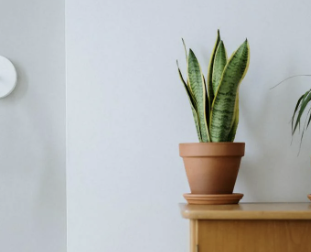
Mother-in-Law’s Tongue / Snake Plant
(Sansevieria trifasciata)
Also called snake plant, this is a favorite indoor plant. However, all parts of this plant contain toxic compounds.
Why it’s toxic:
Contains saponins, which cause gastrointestinal distress.
Symptoms:
- Nausea
- Vomiting
- Upset stomach
Safe alternative: Areca Palm – similar upright shape, but non-toxic to cats
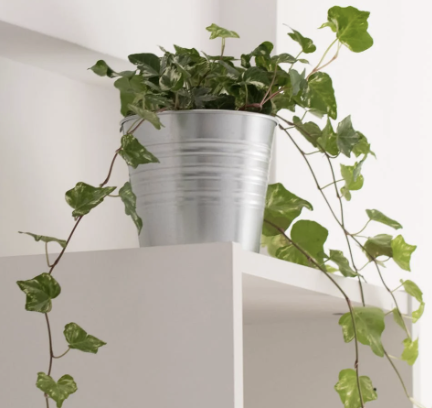
English Ivy Group
(English ivy, sweetheart ivy, California ivy, glacier ivy)
These climbing plants look beautiful but are hazardous plants for cats.
Why they’re toxic:
Contain triterpenoid saponins.
Symptoms:
- Abdominal pain
- Excessive drooling
- Vomiting
Safe alternative: Swedish Ivy – looks similar but is one of the safe plants
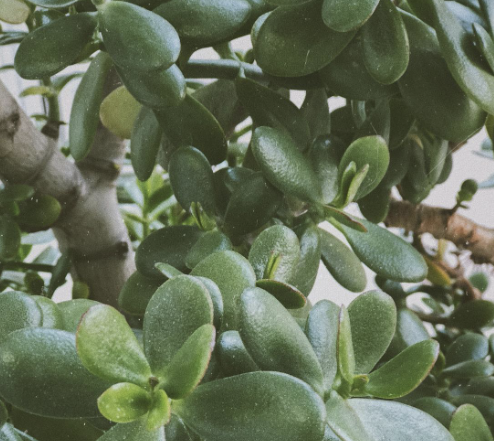
Jade Plants
(Crassula ovata)
A popular succulent, especially with the rising popularity of minimal plant decor.
Why it’s toxic:
Contains an unknown toxic element affecting cats.
Symptoms:
- Vomiting
- Slow heart rate
- Loss of appetite
Safe alternative: Haworthia – similar look, cat-safe
Sago Palm / Cardboard Palm
(Cycas revoluta)
One of the most toxic plant choices for homes with cats.
Why it’s toxic:
All parts of the sago palm are dangerous, especially the seeds.
Symptoms:
- Liver damage
- Hemorrhagic gastroenteritis
- Liver failure
Important:
Sago palm ingestion can be fatal, even in small amounts.
Safe alternative: Parlor Palm – tropical look without the risk
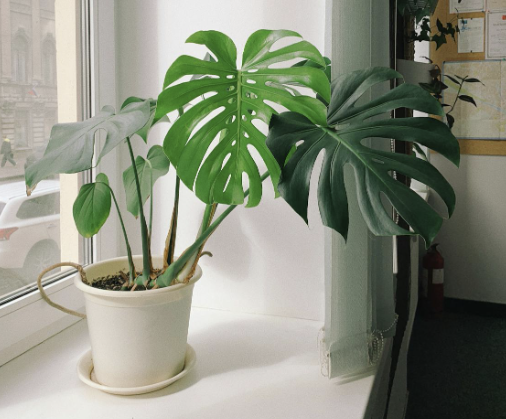
Swiss Cheese Plant
(Monstera / Swiss cheese plant)
A trendy plant, but not safe for feline companions.
Why it’s toxic:
Contains calcium oxalate crystals.
Symptoms:
- Oral pain
- Mouth irritation
- Difficulty swallowing
Safe alternative: Calathea – bold leaves, totally pet safe
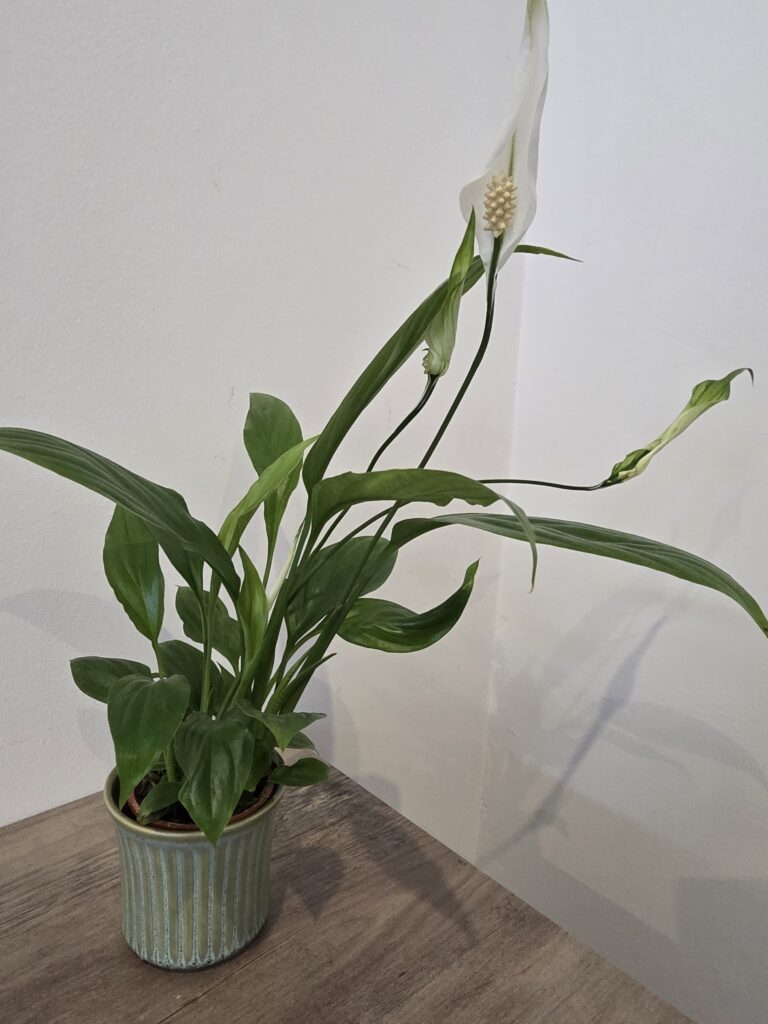
Lilies (Grouped)
(Calla lily, peace lily, true lilies, tiger lilies, asiatic lilies, Easter lily)
These are among the most dangerous plants for cats.
Why they’re toxic:
True lilies (like tiger lilies and Easter lilies) cause severe kidney damage.
Symptoms:
- Vomiting
- Lethargy
- Fatal kidney failure
Important:
Even a tiny part of the lily or pollen can be deadly.
Safe alternative: Orchids – elegant and non-toxic
Aloe Vera
Aloe Vera has loads of health properties great for humans. Not for cats.
Why it’s toxic:
Contains saponins and anthraquinones.
Symptoms:
- Vomiting
- Diarrhea
- Lethargy
Safe alternative: Spider plant – safe and easy to grow
Pothos
A very common indoor plant.
Why it’s toxic:
Contains calcium oxalate crystals.
Symptoms:
- Intense burning
- Drooling
- Oral irritation
Safe alternative: Golden palm
Dieffenbachia (Dumb Cane)
Also called dumb cane.
Why it’s toxic:
Contains calcium oxalate crystals.
Symptoms:
- Oral pain
- Swelling
- Difficulty breathing
Safe alternative: Prayer plant
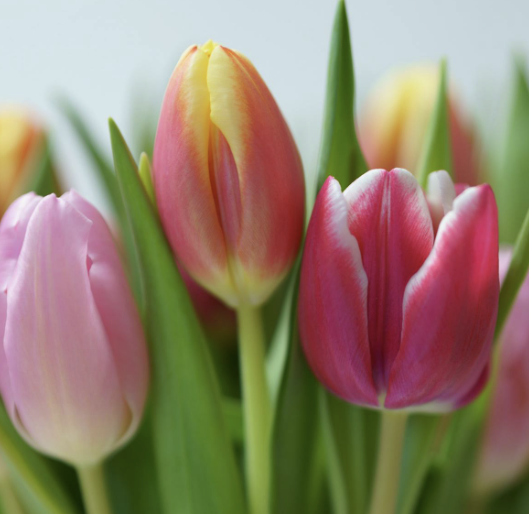
Tulips
Popular spring flowers.
Why they’re toxic:
Bulbs contain toxic alkaloids.
Symptoms:
- Vomiting
- Gastrointestinal upset
Safe alternative: Roses (pet-safe varieties)
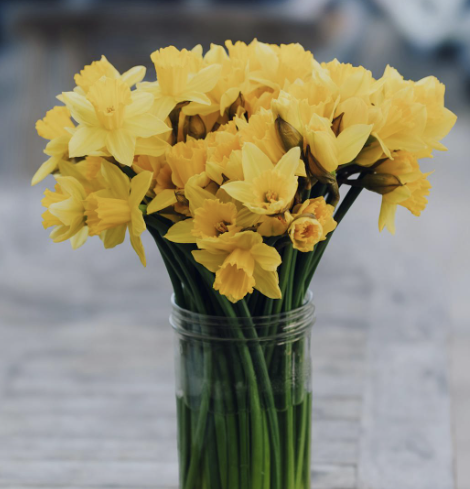
Daffodils
Another favorite during spring.
Why they’re toxic:
Contain lycorine.
Symptoms:
- Vomiting
- Abdominal pain
Safe alternative: Sunflowers
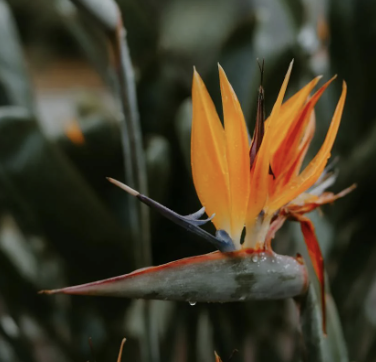
Bird of Paradise
The bird of paradise is a bold statement plant.
Why it’s toxic:
Contains toxic compounds affecting digestion.
Symptoms:
- Mild gastrointestinal distress
Safe alternative: Banana plant (indoor)
Poinsettia
Common during the holiday season.
Why it’s toxic:
Mildly toxic sap.
Symptoms:
- Minor symptoms like mild skin irritation
- Upset stomach
Safe alternative: Christmas cactus
Hyacinth
Beautiful but risky.
Why it’s toxic:
Bulbs contain toxic substances.
Symptoms:
- Vomiting
- Diarrhea
Safe alternative: Freesia
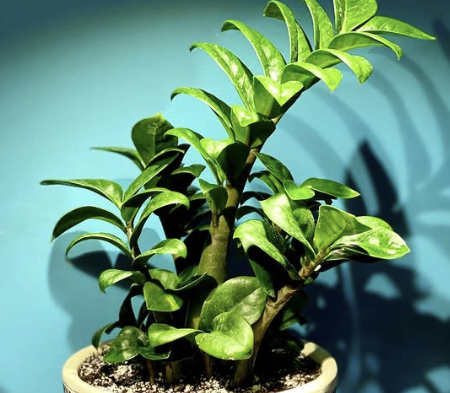
ZZ Plant
ZZ Plants are very popular for low light homes.
Why it’s toxic:
Contains calcium oxalate crystals.
Symptoms:
- Mouth irritation
- Vomiting
Safe alternative: Cast iron plant
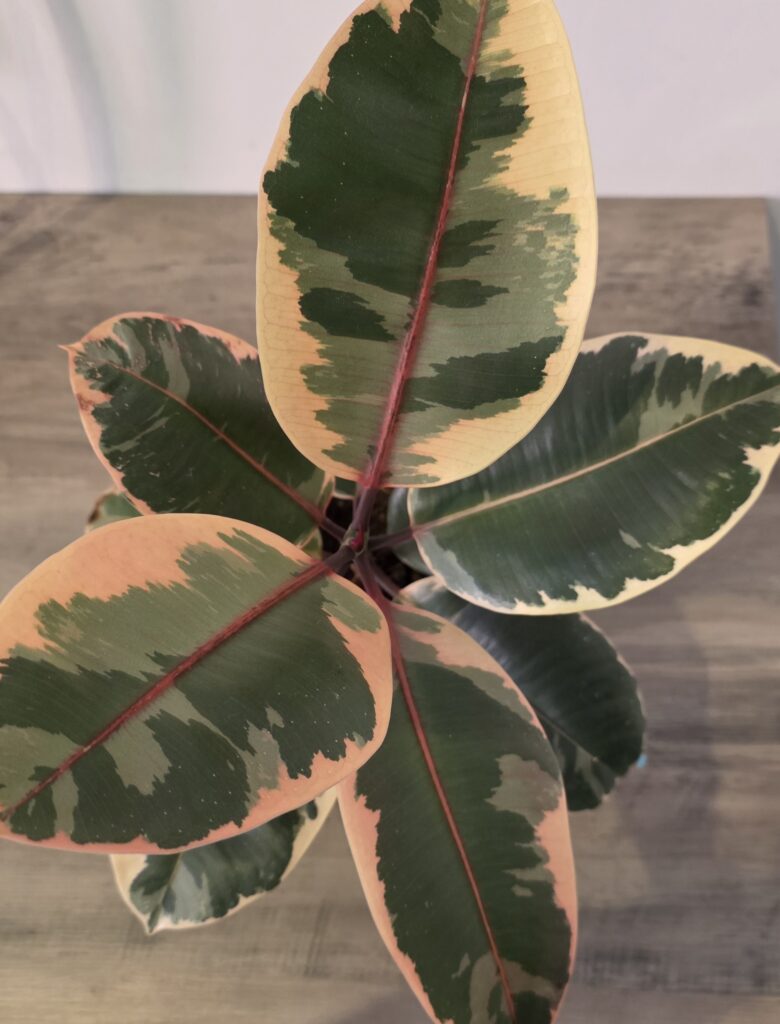
Rubber Plant
Rubber plants are a classic house plant, coming in different shapes and colours.
Why it’s toxic:
Sap contains a poisonous substance.
Symptoms:
- Skin irritation
- Gastrointestinal upset
Safe alternative: Peperomia
Creating a Cat-Friendly Home
You don’t have to give up plants completely. Instead:
- Choose non-toxic plants
- Keep new plants out of reach
- Offer cat grass for safe chewing
- Watch bored cat behavior
- Avoid bringing hazardous plants indoors
FAQs
What is the most toxic house plant for cats?
The sago palm (Cycas revoluta) is often considered the most toxic plant. Even small amounts can cause liver failure.
Can I have flowers in my house if I have a cat?
Yes. Just avoid dangerous plants like lilies. Choose safe plants instead.
Which houseplants are not poisonous to cats?
Spider plants, calathea, areca palms, and prayer plants are all non-toxic plants.
What indoor plants are safe for cats and clean air?
Areca palms and spider plants are great options. They are safe and help improve air quality.
Do cats know to avoid toxic plants?
No. Curious cats often chew plants. They cannot always detect harmful plants.
Are there any big houseplants not toxic to cats?
Yes. Parlor palms and areca palms are large, safe plants.
What indoor plants are pet friendly?
Calathea, peperomia, and Swedish ivy are all pet friendly.
Can I have lilies in the house with a cat?
No. Lilies pose serious health risks and can cause fatal kidney failure.
Are spider plants toxic for cats?
No. Spider plants are safe and a great choice for cat owners.
Being a plant lover and a cat parent is possible. You just need the right knowledge. By choosing safe plants and avoiding poisonous plants, you can protect your feline companions and still enjoy your indoor garden.
Your goal is simple. A home that is both green and safe.