
The string of hearts plant, also known as Ceropegia woodii, is one of the most loved indoor plants.
It has delicate vines, heart-shaped leaves, and a soft trailing look. Because of this, it is a popular choice for plant enthusiasts.
Even better, it is known for its ease of propagation. However, the soil you use can make a big difference.
So, let’s look at the best soil for propagating string of hearts, and how to get a high success rate.
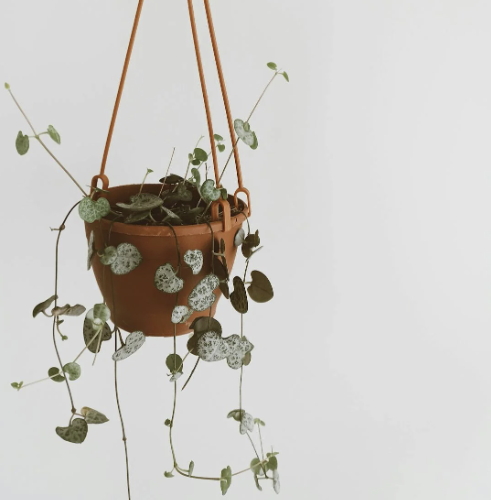
Background of String of Hearts
This charming hanging plant is native to South Africa. In its natural habitat, it grows in warm temperatures with good drainage.
It is a succulent plant with unique water storage capabilities. This means it does not like too much water.
The plant grows long vines and can form small aerial tubers along the stems. These small tubers help with propagation.
A Quick Look at Propagation
There are different ways to propagate string of hearts plants.
The most common methods are:
- Stem cuttings
- Butterfly method
- Tuber propagation
All of these methods rely on healthy root development. So, the soil you use is very important.
Why Soil Type Is Important
The wrong soil is a common cause of failure.
If the soil holds too much water, it can lead to root rot. This damages the plant’s roots and stops new growth.
On the other hand, soil that drains well supports healthy growth and strong roots.
So, choosing the right potting mix is the best way to improve success.
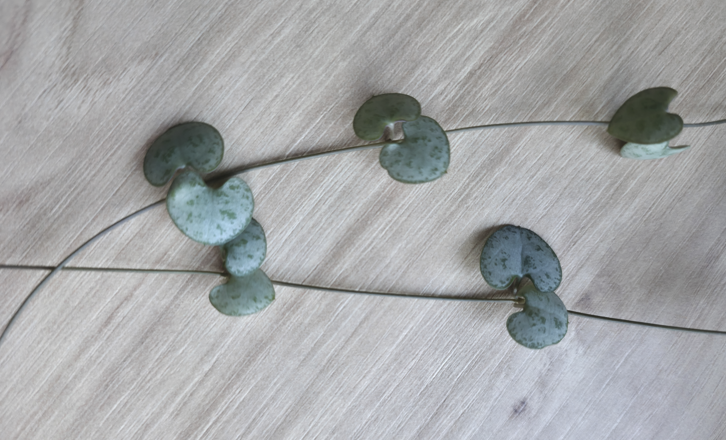
Best Soil for Propagating String of Hearts
The best soil is light, airy, and fast-draining.
A good mix includes:
- Cactus mix or succulent soil
- Coco coir or peat moss
- Perlite or coarse sand
This type of potting mix allows water to drain quickly. It also gives the roots enough air.
It is an excellent choice for preventing root rot and supporting new plant growth.
Simple Soil Mix Recipe
If you want an easy mix, try this:
1 part regular potting soil – This is your base layer.
Benefits:
Keeps a small amount of moisture
Holds nutrients to feed the plant
Supports the plant’s roots as they grow
1 part perlite or coarse sand – This improves drainage and airflow.
Benefits:
Adds air pockets for healthy roots
Stops soil from staying too wet
Helps prevent root rot
1 part coco coir – This helps with balanced moisture.
Benefits:
Supports steady root growth
Holds water without becoming soggy
Keeps soil light and fluffy
This mix creates a balance of water retention and drainage.
It also supports the plant’s roots without holding too much water.
Can You Use Sphagnum Moss?
Yes, sphagnum moss is a good idea for propagation.
It holds moisture well and helps root development. However, it can stay wet for a longer time.
So, it is best to monitor the moisture level closely. Too much water can still cause problems.
Water vs Soil Propagation
Many people ask if water or soil is better.
Water propagation is an easy way to see root growth. However, roots can be weaker when moved to soil.
Soil propagation often has a higher success rate. It helps the plant adjust faster to its new pot.
For this reason, soil is often the best way for long-term growth.
Best Conditions for Success
To get the best results, focus on the right conditions.
Place your cuttings in a bright location with indirect sunlight. A bright window works well.
Keep the soil lightly moist, but not wet. Avoid much water at the bottom of the pot.
Use a pot with drainage holes to prevent excess water.
Also, keep the plant in warm temperatures during the active growing season.
Extra Tips for Strong Root Growth
- Take clean cuts below a leaf node
- Place cuttings on the soil surface
- Ensure nodes touch the soil
- Use small pots to control moisture
- Avoid extreme temperatures
These simple steps help improve root development and healthy growth.
Common Problems During Propagation
Even with proper care, issues can happen.
Rotting stems
This is often caused by too much water. Let the soil dry slightly.
No root growth
This may be due to insufficient light. Move to a brighter spot.
Dry cuttings
This can happen in very dry air. Lightly mist or adjust humidity level.
Early detection is key to fixing problems quickly.
String of hearts is one of the most beautiful heart-shaped plants. It is also one of the easiest to propagate.
The secret is simple. Use the right soil, avoid too much water, and give enough light.
With the right setup, you can turn one plant into many new plants.
FAQ
What kind of soil should I use for my string of hearts?
Use a well-draining potting mix like cactus mix with perlite or coarse sand.
Can you propagate a string of hearts in soil?
Yes, soil propagation is one of the most effective methods and gives strong roots.
Can I propagate strings of hearts in sphagnum moss?
Yes, sphagnum moss works well, but watch the moisture level to avoid rot.
Is it better to propagate strings of hearts in water or soil?
Soil is better for long-term growth. Water is useful for quick root checks.
Can I use orchid potting mix for string of hearts?
Yes, but mix it with regular soil or coco coir for better balance.
What is a cheaper alternative to perlite?
Coarse sand is a good and affordable option.
Do strings of hearts like small pots?
Yes, small pots are a good choice. They help control water and prevent root rot.