
If you want an indoor plant that is easy to grow, golden pothos is a great place to start. It is often called devil’s ivy or money plant, and for good reason. This plant is tough, fast-growing, and very forgiving.
Even better, it has beautiful trailing vines and soft green leaves that brighten any room. So, whether you are new to plants or just want something low maintenance, golden pothos plants are always a safe choice.
Let’s go through everything you need to know, step by step.
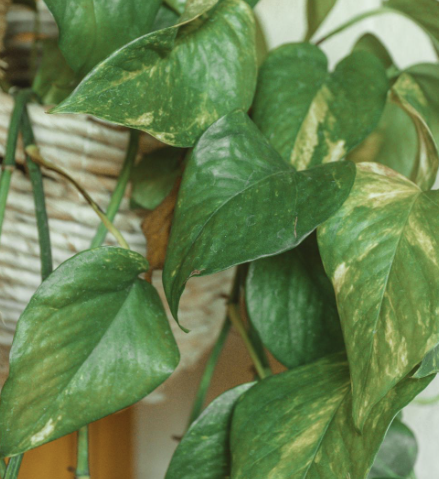
A Quick Background on the Golden Pothos
Golden pothos, also known as epipremnum aureum, is a tropical vine. In nature, it grows in warm, humid forests and climbs up trees using its aerial roots.
At home, it behaves a bit differently. Instead of climbing tall trees, it grows long stems that trail from shelves or hanging baskets. You can also train it to climb moss poles if you prefer a more upright look.
Because it grows so easily, it has earned the nickname devil’s ivy. It can handle low light and still keep growing for a long time.
Types of Pothos
One of the fun things about pothos is the range of varieties of pothos available. Each one looks a little different, but they all share the same easy-care nature.
Here are a few popular ones:
- Golden pothos – green leaves with yellow streaks
- Neon pothos – bright, lime-green pothos neon leaves
- Marble queen pothos – a mix of white and green
- Jade pothos – simple, deep green pothos
- Satin pothos – velvety satin pothos with a soft texture
So, if you love one, you will probably love them all.
Light
Let’s talk about light, because this is where pothos really shines.
Golden pothos grows best in bright indirect light. This helps keep the plant’s leaves vibrant and supports steady new growth.
That said, it can also live in low-light conditions. This is why it is one of the most popular houseplants.
Just keep in mind:
Too much light can cause brown leaves
Too little light can slow growth
If your space feels dark, a grow light can really help.
Water
Watering is simple once you get the hang of it.
Wait until the top 1–2 inches of soil feel dry before watering again. This usually works well for most homes.
Be careful not to give too much water. Excess water and poor drainage can lead to root rot.
Always use pots with drainage holes. This helps water escape from the bottom of the pot.
Quick tip:
Yellow leaves – often too much water
Droopy leaves – usually dry soil
Temperature
Golden pothos enjoys a warmer climate. It is happiest between 18–29°C.
Try to keep it away from cold drafts, open windows in winter, or sudden temperature changes.
Humidity
Good news, the pothos is not too fussy about humidity.
It does fine in normal indoor air, but it prefers a humid environment. If you can give it a bit more moisture in the air, it will thank you with healthier leaves.
You can group it with other tropical plants or lightly mist it now and then.
Fertiliser
During the growing season (spring and summer), your pothos will grow quickly.
This is the best time to feed it. Use a water-soluble fertilizer once a month.
In fall and winter, you can ease off. The plant will slow down and need less support.
Soil
When it comes to soil, think light and airy.
A well-draining soil mix is key. Regular potting mix works well, especially if you add perlite or bark.
Avoid heavy soil that holds too much water. That is how root rot starts.
Repotting
Because pothos are fast growers, they will need repotting every 1–2 years.
If you see roots at the soil surface or coming out of the drainage holes, it is time.
Move up to a slightly larger pot and refresh with fresh soil.
Spring or early fall is usually the best time to do this.
Pruning
If you want a full, bushy plant, pruning is your best friend.
Without it, pothos vines can grow long and thin. Simply trim above a leaf node to encourage new growth.
Also, remove any lower leaves that look damaged or tired.
This keeps your plant looking fresh and healthy.
Propagation of Golden Pothos
This is where things get really fun.
Golden pothos is one of the easiest houseplants to propagate.
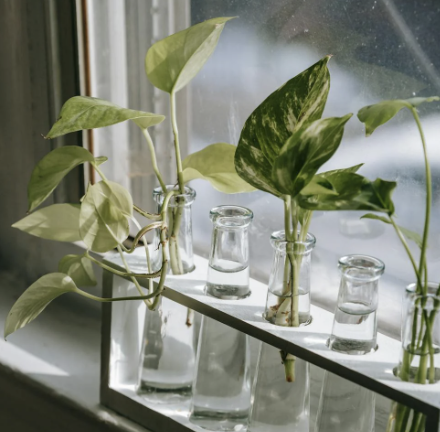
Take stem cuttings with a leaf node and place them in water or moist soil. Both methods work well.
Before long, you will see roots forming, then comes new growth. Just like that, you have new plants.
Seasonal Care of Golden Pothos
Your plant’s needs will change slightly through the year.
In spring and summer, growth is fast. So, water more often and feed regularly.
In fall and winter, growth slows. So, water less and skip fertiliser.
It is all about adjusting as the seasons change.
Golden Pothos Benefits
Golden pothos is easy and so rewarding.
It can brighten your space, help improve air quality, and create a calm, relaxing feel.
Plus, those beautiful trailing pothos vines never go out of style.
Common Problems and Troubleshooting for Golden Pothos
Even easy plants can have issues now and then.
Here are a few common ones:
Yellow leaves – Often caused by too much water
Brown spots or brown leaves – Usually from too much light or dry air
Drooping leaves – A sign the plant needs water
Slow growth – Often means not enough light
The good news? Most problems are easy to fix once you spot them early.
Pests
Pothos is fairly tough, but it can still get pests.
Watch for spider mites and mealybugs. If you spot them, wipe the leaves and treat gently.
Diseases
The main issue to watch for is root rot. This comes from excess water and poor drainage.
Always check that water is not sitting at the bottom of the pot.
Is Golden Pothos Pet Friendly?
Sadly, no.
Golden pothos contains calcium oxalate, which is toxic to pets. Keep it out of reach of cats and dogs.
Other Types to Try
If you enjoy golden pothos, you might want to explore other pothos varieties.
Neon pothos, marble queen pothos, and jade pothos are all great options. Each one adds a different look to your home.
Styling Ideas
Not sure how to display your plant?
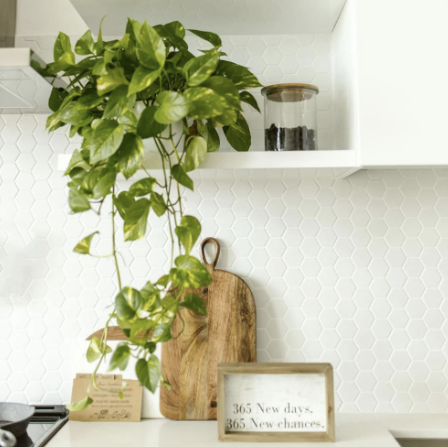
Try a hanging basket to show off those long vines. Or let it climb moss poles for a more structured look.
Either way, a beautiful trailing pothos always makes a space feel more alive.
FAQs
How do you care for Golden Pothos indoors?
Keep it in bright indirect light, water when the soil is dry, and use well-draining soil. Avoid overwatering.
What are the common problems with Golden Pothos?
The most common issues are yellow leaves, root rot, and pests like spider mites.
How to tell if pothos is happy?
A happy pothos has firm green leaves and steady new growth. It will look full and healthy.
What are the disadvantages of Golden Pothos?
It is toxic to pets and can become leggy if not pruned.
How to make your pothos happy?
Give it enough light, water it properly, and prune it often.
Do pothos like deep or shallow pots?
They prefer a medium pot with good drainage holes, not overly deep.
What is the lifespan of a Golden Pothos?
With proper care, it can live for many years indoors.
Do coffee grounds help pothos grow?
They can help in small amounts, but too much can harm the soil.
Is it better to let pothos hang or climb?
Both work well. It depends on your style and space.
What does a thirsty pothos look like?
The leaves will droop and feel soft. The soil will be very dry.
Why is pothos called the devil’s ivy?
Because it is so hard to kill and grows well even in low light.
Golden pothos plant care really is that simple. Once you get the basics right, your plant will reward you with long vines and steady growth for years to come.