
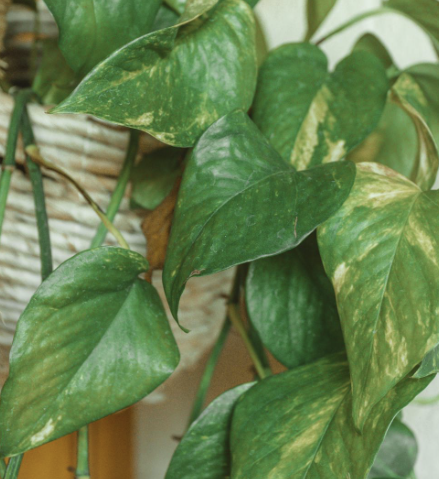
Pothos plants are one of the easiest houseplants you can grow.
They are also known as devil’s ivy, money plant, or Epipremnum aureum.
With their long stems, heart-shaped leaves, and beautiful trailing vines, they are a favourite in homes, offices, and even commercial spaces.
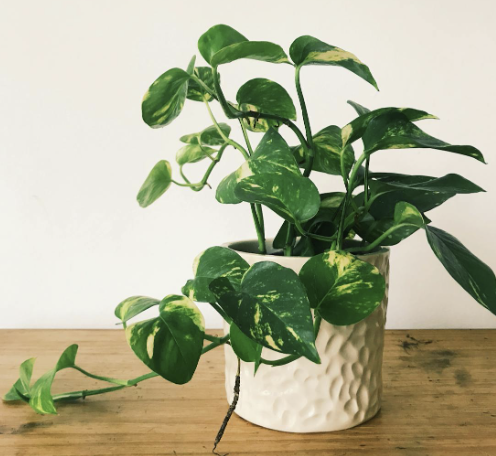
Golden, marble queen, neon (lime-green pothos neon), jade, and satin, are all popular pothos varieties.
They grow fast, adapt to low light, and forgive mistakes.
But if you want strong, full vines and bright green leaves, fertilizer matters more than most people think.
This guide explains everything in a simple way, from feeding schedules to fixing common issues like yellow leaves and root rot.
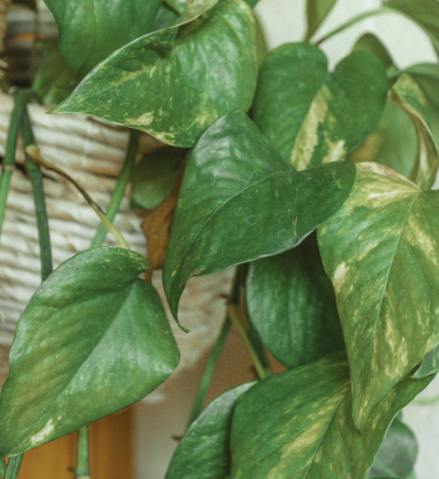
Do Pothos Plants Even Need Fertilizer?
Pothos are low maintenance tropical plants.
They naturally grow in warmer climates where nutrients are always slowly recycled in soil.
In a home, they grow in pots with limited potting mix.
That means nutrients slowly run out over time.
So yes, pothos can survive without fertilizer.
But for best results, fertilizer helps support new growth, longer vines, and healthier green leaves.
Think of fertilizer as a gentle boost, not a requirement.
Signs Your Pothos Plant Is Actively Growing
The growing season for pothos usually starts in early spring and continues through summer into early fall.
During this time, you will notice:
- New leaves forming on leaf nodes
- Long stems and fast vine growth
- Brighter green leaves or variegation becoming stronger
- Aerial roots becoming more active
If your plant is in bright indirect light or enough light, growth will be faster.
In low light conditions or low light, growth slows but still continues.
Pothos are known as fast growers when conditions are right.
Can Pothos Survive Without Fertilizer?
Yes, they are among the easiest houseplants and can survive without fertilizer for 1–2 years or more.
But over time, you may notice:
- Slower vine growth
- Smaller leaves
- Less vibrant colour
Fresh soil or repotting can help for a while.
But eventually, nutrients need replacing for healthy plant growth.
Signs Your Pothos Needs Fertilizer
A pothos plant that needs feeding may show:
- Slow or no new growth during growing season
- Yellow leaves or pale green leaves
- Smaller leaves on new vines
- Weak or thin stems
But always check watering first.
Too much water, excess water, or poor drainage holes can cause root rot and similar symptoms.
Brown spots and brown leaves are often linked to stress, not just feeding issues.
Best Fertilizer for Pothos Plant
The best fertilizer is a balanced water-soluble fertilizer.
A 1-1-1 or 3-1-2 NPK ratio both work well.
NPK means nitrogen, phosphorus, and potassium:
- Nitrogen = green leaves and vine growth
- Phosphorus = roots and leaf development
- Potassium = overall plant strength
Pothos are not heavy feeders.
So half-strength liquid fertilizer is usually perfect.
This is especially true for indoor plants in pots or hanging baskets.
Liquid vs Granular Fertilizer
Liquid fertilizer is the easiest option for plant care.
It mixes with water and spreads evenly through the potting mix.
Granular fertilizer and spikes can work, but they are less flexible.
They can also build up in soil and cause excess nutrients.
Liquid fertilizer gives better control and fewer mistakes, especially for first-time plant parents.
Top 5 Store-Bought Fertilizer Options
Look for:
- Balanced houseplant liquid fertilizer
- All-purpose water-soluble fertilizer
- Organic liquid plant food
- Indoor plant fertilizer for tropical plants
- Fertilizer designed for foliage plants
Always check your soil first.
Many potting mixes already contain fertilizer, especially fresh soil from garden centers or brands like Miracle-Gro.
Natural & Homemade Fertilizer for Pothos
These plants respond well to gentle natural options:
- Compost tea
- Worm castings mixed into potting soil
- Diluted fish emulsion
- Very weak banana peel water
These support soil health and beneficial microbes.
But be careful with kitchen scraps.
They can attract pests and cause poor drainage.
Coffee grounds are often used, but they are not ideal for pothos in pots.
They can hold too much moisture and increase risk of root rot.
Organic vs Synthetic Fertilizers
Organic fertilizers improve soil over time and are gentle.
Synthetic fertilizers act faster and are easier to measure.
Both can work for these vines.
The most important thing is using the right amount.
More fertilizer does not mean faster growth.
When to Fertilize Pothos Plant
The best time to fertilize is early spring through summer.
This is when vines grow the fastest.
Stop or reduce feeding in early fall and winter months.
During this time, growth slows naturally.
Cold drafts or low light conditions also reduce nutrient needs.
How Often to Fertilize Pothos
Most plants do well with feeding every 2–4 weeks during the growing season.
If growth is fast and conditions are bright, you may feed more regularly.
If growth is slow or in lower light levels, feed less often.
How to Fertilize Pothos Plant (Step-by-Step)
Start with moist soil, not dry soil.
Mix liquid fertilizer at half strength with water.
Pour evenly around the soil line until water drains from the bottom of the pot.
Make sure drainage holes are clear.
Never let the plant sit in excess water.
Avoiding Fertilizer Burn
Fertilizer burn happens when too many salts build up in soil.
It can cause brown leaves, yellow edges, or weak vines.
To avoid this:
- Use diluted fertilizer
- Flush soil every few months
- Avoid feeding in winter
Good drainage is essential.
Signs of Over-Fertilizing
Too much plant food can cause:
- Yellow leaves
- Brown spots
- Weak or curly new growth
- Slow or stopped vine growth
Sometimes the plant looks worse even with moist soil.
Always check what fertilizer is already in your potting mix.
How to Fix Too Much Fertilizer
If you suspect overfeeding:
- Stop fertilizing immediately
- Flush soil with clean water
- Let excess water drain fully
- Repot if symptoms are severe
Fresh soil often helps reset the plant quickly.
Common Mistakes
Many pothos problems come from simple mistakes:
- Overwatering leading to root rot
- Too much fertilizer
- Poor drainage or no drainage holes
- Low light but heavy feeding
- Using cold water or cold drafts
Pothos are easy-care plants, but they still need balance.
Frequently Asked Questions
What is the best fertiliser for pothos?
A balanced liquid water-soluble fertilizer at half strength works best for these plants.
Do I need to fertilize my pothos?
No, but fertilizing during the growing season helps with faster growth and larger, healthier leaves.
Do coffee grounds help pothos grow?
No. Coffee grounds can hold moisture and increase risk of root rot in potted pothos.
What is the best natural fertilizer for pothos?
Compost tea, worm castings, and diluted fish emulsion are great natural options.
What makes pothos grow faster?
Bright indirect light, proper watering, good drainage, and light feeding during the growing season.
Can pothos grow in water without fertilizer?
Yes, they can grow in water, but adding a very diluted liquid fertilizer occasionally helps maintain healthy growth.
Pothos plants are one of the easiest houseplants you can own.
With the right balance of light, water, and light feeding, they grow into long, beautiful trailing vines.
Keep things simple, avoid overfeeding, and focus on consistency over intensity.
That is how you get strong, healthy vines that thrive for years.