If you want a plant with bold, eye-catching leaves, caladium is a perfect choice. These tropical plants are loved for their vibrant colours and soft, heart-shaped leaves.
Even better, they can brighten any indoor space or shady garden. So, with the right care, you can enjoy stunning foliage all season long.
Background
Caladium, also known as caladium x hortulanum, comes from South America and Central America. It grows from caladium tubers, which store energy for the plant.
In its natural habitat, it grows in warm, humid environments under tree cover. This is why it prefers indirect light and a humid environment.
It is a tropical perennial, but in cooler climates, it has a resting period during winter.
Types of Caladium
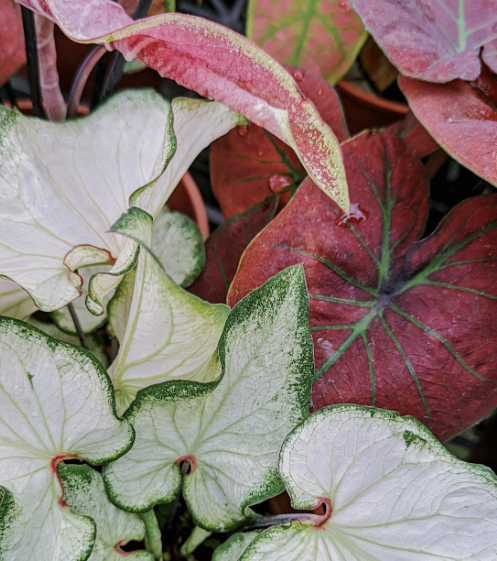
There are many varieties to choose from. Some have red veins, while others show soft pinks, greens, or whites.
You may hear them called angel wings because of their leaf shape. Some types are also grouped with elephant ears, though they are slightly different.
Newer varieties have been developed for stronger growth and brighter leaf colors. So, there is something for every plant lover.
Is Caladium Similar to Other Houseplants?
Yes, in many ways it is. If you care for other foliage plants, you’ll find their care quite familiar.
It likes warm temperatures, moist soil, and indirect sunlight. However, it does go dormant, which makes it a little different from some indoor plants.
Where to Grow and How to Style Caladium
Caladiums are very flexible when it comes to placement. You can grow them in garden beds, window boxes, or larger pots.
Indoors, they make a beautiful focal point in a living room or bedroom. Outdoors, they work well in shade gardens or shady spots.
They pair nicely with other tropical plants and add a soft, colorful look to your space.
Light
Caladiums prefer bright, indirect light or partial shade. Too much sun can cause leaf scorch, especially in hot climates.
Morning sun is fine, but avoid strong afternoon sun. In darker areas, they may grow slower, but they can still do well.
Water
Watering is very important for healthy growth. Caladiums like moist soil but not soggy soil.
Keep the soil surface slightly damp during the growing season. Weekly watering is a good starting point, but always check soil moisture first.
Too much water can lead to tuber rot, which is a common problem.
Temperature
These plants love warm conditions. Soil temperature should stay warm, especially during planting time.
They do best in temperatures above 65°F. Avoid cold drafts and cooler conditions, as this can slow growth.
Humidity
Caladiums enjoy high humidity levels. A humid environment helps keep their leaves looking fresh and vibrant.
If your home is dry, a pebble tray or small humidifier is a good idea. This helps prevent dry edges on the leaves.
Fertiliser
Caladiums are heavy feeders during active growth. Use a liquid fertilizer or slow-release fertilizer to support new growth.
Feed every few weeks during the growing season. This helps produce strong, vibrant leaves.
Soil
Well-drained soil is essential. A mix with peat moss and organic matter works well.
Good drainage helps prevent root problems. Always use pots with drainage holes to avoid excess water.
Repotting
Repotting is simple and usually done in early spring. Move your plant into a slightly larger pot if needed.
Make sure the tuber sits just below the soil level. This helps support healthy growth.
Pruning
Pruning is easy. Remove dead leaves or damaged parts of the plant using clean tools.
This keeps your plant looking tidy and helps focus energy on new leaves.
Propagation
Caladiums are grown from tubers. You can divide a larger tuber into smaller sections.
Use the tip of a sharp knife and make sure each piece has a central bud. This will grow into a new plant.
Seasonal Care
Caladiums have a clear growing season and resting period. During warmer months, they grow quickly and need frequent watering.
As temperatures drop, the plant will begin to fade. This is normal. After the first frost, allow the plant to rest.
Store tubers in a dry place until the following spring. Then replant for another season of growth.
Plant Benefits
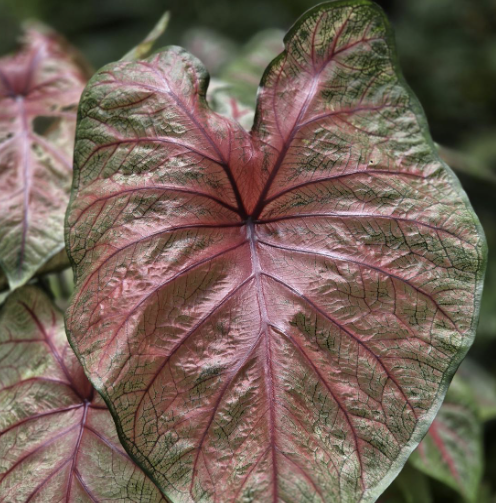
Caladiums are grown for their beautiful foliage. Their vibrant leaves add color and life to any space.
They are an excellent choice for brightening shady areas where many plants struggle.
How to Encourage Blooming
Caladiums are grown mainly for their leaves, not flowers. While they can bloom, it is rare indoors.
To encourage blooming, provide warm temperatures, enough light, and proper care. However, most growers focus on foliage instead.
Common Problems
Common issues often come down to watering or light. Yellow leaves may mean too much water.
Leaf scorch can happen with too much sun. Slow growth can be caused by low temperatures or poor light.
Pests
Watch out for spider mites and other common pests. These can affect the leaves if the plant is stressed.
Use insecticidal soap if needed, and keep your plant clean.
Diseases
Fungal diseases and tuber rot are the most common problems. These are often caused by excess moisture and poor drainage.
So, always ensure proper drainage and avoid overwatering.
Is It Pet Friendly?
No, caladiums are not pet friendly. They can be toxic if eaten, so keep them away from pets and children.
FAQ
How do you take care of potted caladium?
Keep them warm, give indirect light, and maintain moist soil with good drainage.
Do caladium plants like sun or shade?
They prefer partial shade or indirect sunlight. Too much sun can damage the leaves.
What are the common problems with caladium plants?
Overwatering, leaf scorch, and pests like spider mites are common issues.
Do caladiums do well in containers?
Yes, they grow very well in pots with drainage holes.
How to bring a caladium back to life?
Check watering, light, and temperature. If dormant, wait for the growing season.
What does an overwatered caladium look like?
Yellow leaves, soft stems, and possible root rot are common signs.
How do I make my caladium happy?
Provide warm temperatures, indirect light, and consistent moisture.
Can caladiums grow in just water?
No, they need soil to grow properly from tubers.