
Aloe vera is one of the easiest houseplants to grow. It looks great, needs very little care, and can live for a very long time. However, even this low-maintenance plant will eventually outgrow its home.
If you’re wondering when to repot aloe vera, you’re in the right place.
In this guide, you’ll learn exactly when aloe vera needs a new pot, the signs to look for, and how to repot it without causing transplant shock. You’ll also discover the best pot sizes, the right soil mix, and simple tips to keep your plant thriving.
By the end, you’ll feel confident repotting your aloe and helping it produce healthy new growth for years to come.
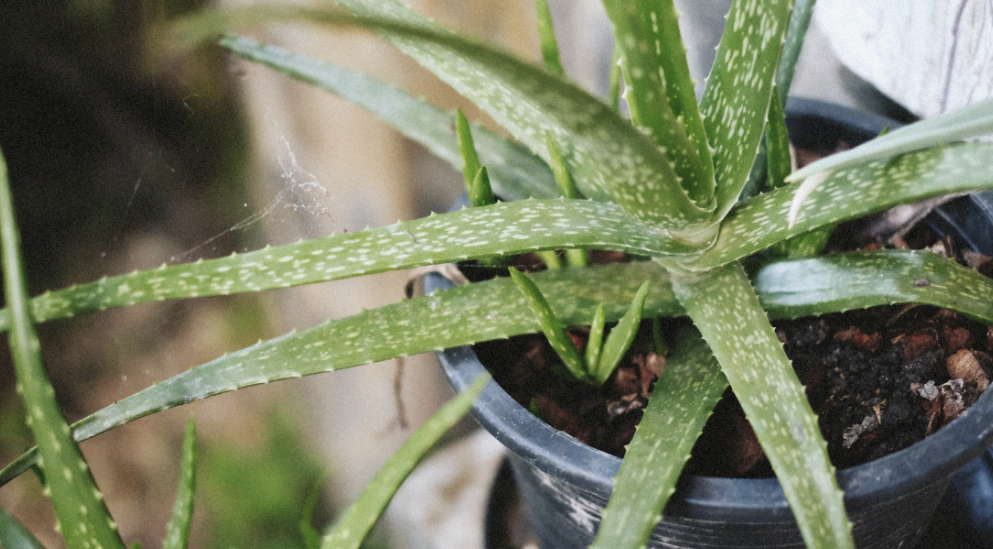
About Aloe Vera
Aloe vera, also known by its botanical name Aloe barbadensis, is a succulent plant native to warm, dry regions. It stores water inside its thick, fleshy leaves, which helps it survive long periods without rain.
Today, aloe vera is one of the most popular indoor plants in the world. Plant lovers appreciate its attractive shape, easy care needs, and soothing vera gel found inside the leaves.
Given the right conditions, a healthy plant will produce baby plants called aloe vera pups around the base of the mother plant. These pups can be removed and grown into new plants of their own.
When Is the Best Time to Repot Aloe Vera?
The best time to repot aloe vera is during the growing season.
Early spring is ideal because the plant is waking up and preparing for active growth. Late spring and the summer months are also good times to repot.
During the warmer months, aloe plants recover more quickly and develop new roots faster.
Try to avoid repotting during winter unless absolutely necessary. Growth slows during this period, and recovery can take longer.
Signs Your Aloe Vera Needs Repotting
Not sure if your aloe needs a larger container? Fortunately, there are several clear signs.
Roots Growing Through Drainage Holes
Check the bottom of the pot. If roots are growing through the drainage holes, your plant has likely run out of room.
The Plant Is Top Heavy
A mature aloe can become quite heavy. If the plant tips over easily or seems unstable, it may need a larger pot.
Aloe Vera Pups Are Crowding the Pot
Healthy plants often produce aloe pups. While this is great news, too many baby plants can overcrowd the current pot.
Soil Dries Out Very Quickly
If you find yourself watering more often than usual, the root system may be taking up most of the space.
Cracked or Bulging Pot
Sometimes roots push against the sides of the pot. Plastic pots may bulge, while ceramic pots can crack.
How Often Should Aloe Vera Be Repotted?
Most aloe vera plants only need repotting every two to three years.
Young plants may need repotting sooner because they grow more quickly. Mature plants can often stay in the same container longer.
Even if your aloe doesn’t need a larger pot, replacing old soil every few years helps support healthy growth.
Choosing the Right Pot Size
One of the most common mistakes is choosing a much bigger pot.
Aloe plants prefer a snug fit. Choose a new container that is only one to two inches wider than the current pot.
A much bigger pot holds more soil and moisture. This increases the risk of root rot.
When in doubt, choose a slightly larger pot rather than a huge one.
Do Aloe Vera Plants Like Shallow or Deep Pots?
Aloe vera has a fairly shallow root system.
Because of this, shallow pots often work better than very deep pots. However, the pot should still be heavy enough to support the entire plant.
A wide pot usually provides the best results.
The Best Soil for Aloe Vera
Good drainage is essential for aloe vera.
Regular potting soil often holds too much moisture for succulent plants. Instead, choose a succulent mix or cactus potting mix.
You can also create your own soil mix by combining:
- Potting mix
- Coarse sand
- Perlite or pumice
The goal is a well-draining soil that dries quickly between waterings.
The Best Types of Pots for Aloe Vera
Terracotta Pots
Terracotta is often the best choice. It allows moisture to evaporate through the pot walls, helping prevent excess water problems.
Ceramic Pots
Ceramic pots look attractive and provide good stability for larger plants.
Plastic Pots
Plastic pots are lightweight and affordable. However, they hold moisture longer, so be careful not to overwater.
Whatever type you choose, always make sure it has drainage holes.
What You’ll Need Before Repotting
Before you begin, gather the following:
- New pot
- Fresh soil
- Succulent mix
- Gardening gloves
- Sharp knife
- Small trowel
- Clean workspace
Having everything ready makes the process much easier.
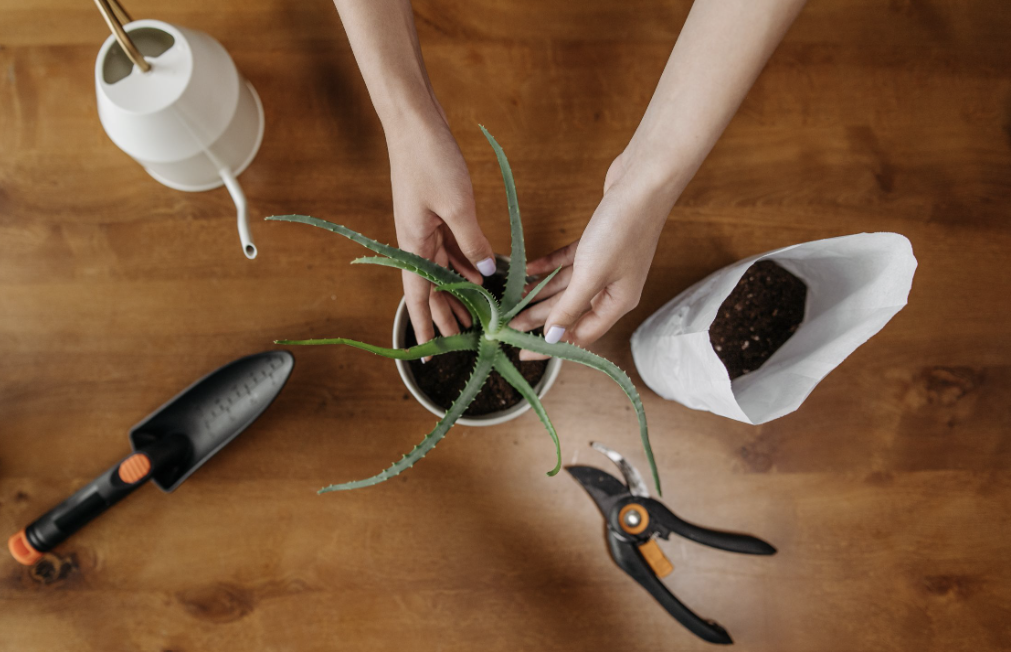
How to Repot Aloe Vera
Step 1: Remove the Plant
Gently tip the pot sideways.
Hold the base of the plant and carefully slide it out.
Step 2: Inspect the Roots
Brush away old soil from the root ball.
Look for soft, black, or damaged roots. Remove any unhealthy sections with a sharp knife.
Step 3: Separate Aloe Vera Pups
If aloe pups have developed around the parent plant, gently separate them.
Each pup should have some roots attached.
Plant the new pups in their own pot if desired.
Step 4: Add Fresh Soil
Place a layer of fresh soil into the new pot.
Position the aloe so the base sits slightly below the rim of the pot.
Step 5: Fill Around the Roots
Add new potting soil around the root system.
Lightly firm the soil without packing it tightly.
Step 6: Wait Before Watering
Allow the plant to settle for several days before watering.
This helps reduce the risk of root rot and transplant shock.
Caring for Aloe Vera After Repotting
After moving to its new home, place the plant in bright light.
A south-facing window often works well.
Avoid much direct sun immediately after repotting, especially if the plant has been indoors.
Wait about a week before watering.
After that, return to your normal watering schedule.
Can You Repot Aloe Vera Pups?
Absolutely.
Aloe pups are one of the easiest ways to grow new plants.
Simply remove the baby plants from the mother plant, allow any cut areas to dry for a day or two, then plant them in their own pot.
With a little patience, you’ll soon have several healthy aloe plants.
Common Repotting Mistakes to Avoid
Even experienced gardeners make mistakes sometimes.
Try to avoid:
- Using a pot without drainage holes
- Choosing a much bigger pot
- Watering immediately after repotting
- Using heavy, moisture-retaining soil
- Damaging the roots during transplanting
Avoiding these mistakes will help keep your aloe happy and healthy.
Repotting aloe vera isn’t difficult. In fact, it can make a huge difference to your plant’s health and growth.
Watch for signs like crowded roots, aloe pups, and fast-drying soil. Then choose a slightly larger pot, use a well-draining succulent mix, and repot during the growing season.
With the right care, your aloe vera can thrive for many years. Better still, you’ll likely have plenty of baby plants to share with friends and family.
FAQs
When should you repot an aloe vera?
The best time is early spring or during the growing season. This allows the plant to recover quickly and establish new roots.
Do aloe like shallow or deep pots?
Aloe plants generally prefer shallow pots. Their root system spreads outward more than downward.
Can you break off aloe and replant it?
Yes. Aloe vera pups can be removed from the parent plant and planted in their own pot. Make sure they have roots attached.
What is the lifespan of an aloe vera plant?
With proper care, aloe vera can live for decades. Some mature plants survive for more than 20 years.
Can I use regular potting soil for aloe?
Regular potting soil usually retains too much moisture. A succulent mix or cactus mix is a better choice.
What happens if you cut off the top of an aloe plant?
The cut leaf will not regrow from the same spot. However, the plant may continue producing new growth from the center or base.