
There is nothing quite like picking a fresh strawberry from your own garden. A healthy strawberry plant can reward you with delicious fruit year after year.
The good news is that strawberries are fairly resilient plants. They do not need constant attention, but they do benefit from the right nutrients at the right times.
If your plants are producing small fruit, fewer berries, or lots of leaves but little fruit, fertilizer could be the missing piece.
This guide covers everything you need to know about choosing the best fertilizer for strawberry plants, when to use it, and how to avoid common mistakes.
Do Strawberry Plants Even Need Fertilizer?
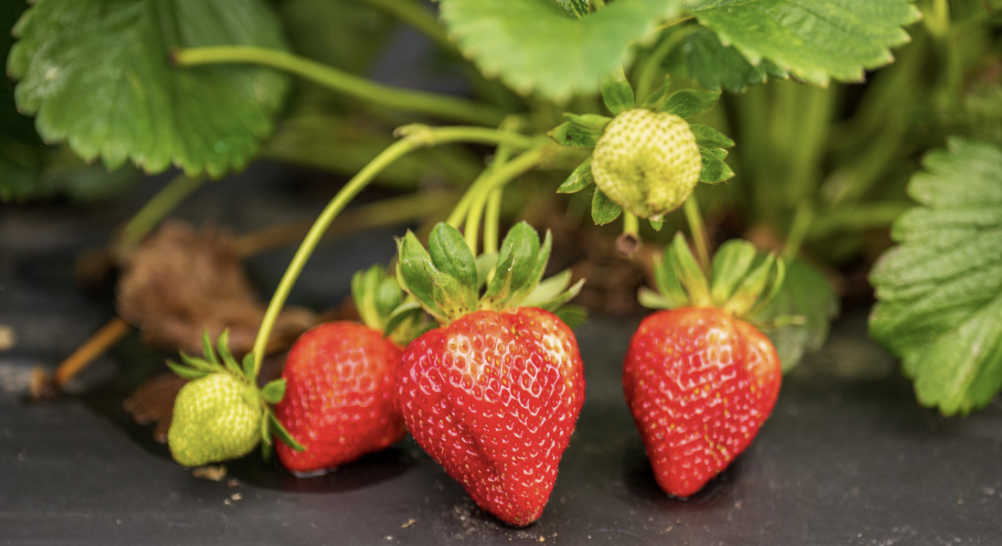
Yes, strawberry plants benefit from fertilizer, especially if you want the best results.
Strawberries are productive plants. Producing flowers, fruit, runners, and new roots takes a lot of energy. Over time, nutrients are removed from the soil and need replacing.
A good strawberry fertilizer helps support root development, healthy growth, and larger harvests.
That said, strawberries do not need constant feeding. Too much fertilizer can actually reduce fruit production and create other problems.
The secret is using a light touch.
Signs Your Plant Is Actively Growing
The growing season usually begins in early spring when temperatures start to warm.
You may notice:
- New leaves emerging
- Fresh green growth
- New roots developing
- Flower buds forming
- Runners spreading from the parent plant
This is when the plant needs the most support from essential nutrients.
The summer months are usually the busiest period for plant growth and fruit production.
Can Strawberry Plants Survive Without Fertilizer?
Yes, they can survive without fertilizer for a long time, especially if they are planted in rich soil.
However, survival and thriving are not the same thing.
Without occasional feeding, plants may produce fewer berries, smaller fruit, and weaker growth. Soil nutrients gradually become depleted, especially in container plants.
Adding the right fertilizer can make a huge difference to both fruit quality and overall plant health.
Signs Your Strawberry Plant Needs Fertilizer
A strawberry plant that needs feeding may show:
- Slow growth
- Pale or yellow leaves
- Smaller berries
- Fewer flowers
- Reduced fruit production
Before adding fertilizer, always check other factors first.
Poor watering, root rot, dry conditions, transplant shock, or poor soil health can create similar symptoms.
Best Fertilizer for Strawberry Plant
The best fertilizer for strawberries depends on the stage of growth.
During active growth, a balanced fertilizer works well. Once flowers begin forming, many gardeners switch to a fertilizer with slightly lower nitrogen.
Too much nitrogen often produces lots of healthy leaves but fewer strawberries.
A balanced liquid fertilizer or slow-release pellets are usually great options.
Organic fertilizers also work extremely well for strawberries.
Understanding NPK Ratios
When shopping for fertilizer, you will see three numbers on the label.
These numbers represent:
- Nitrogen (N)
- Phosphorus (P)
- Potassium (K)
Nitrogen helps leaf growth.
Phosphorus supports root development and flowering.
Potassium supports fruit production and overall plant health.
A 1-1-1 fertilizer provides a balanced nutrient boost.
A 3-1-2 fertilizer contains more nitrogen and works well during early growth.
Once flowers appear, many growers prefer a more balanced approach to avoid excessive leafy growth.
Liquid vs Granular Fertilizer
Liquid fertilizer works quickly and is easy to control.
It is ideal for container plants and allows you to adjust feeding based on plant growth.
Granular fertilizers release nutrients more slowly and require less frequent application.
Slow-release pellets are convenient for busy gardeners because they provide nutrients over several weeks.
Fertilizer spikes can also be used, although they sometimes create uneven nutrient distribution around the plant’s roots.
For most home gardeners, liquid fertilizer is often the easiest option.
Top 5 Store-Bought Recommendations
Some excellent choices include:
- Balanced liquid fertilizer
- Organic berry fertilizer
- Fish emulsion fertilizer
- Slow-release granular fertilizers
- Organic all-purpose fruit fertilizer
Before adding anything, check the products you are already using.
Many potting soil blends already contain fertilizer. Miracle-Gro potting mix, for example, often contains nutrients for several months.
Adding extra fertilizer too soon can lead to excess nutrients and fertilizer burn.
Natural and Homemade Fertilizer for Strawberry Plants
Many gardeners prefer natural fertilizers.
Some of the best organic options include:
- Compost tea
- Worm castings
- Fish emulsion
- Well-aged compost
- Diluted seaweed fertilizer
These provide essential micronutrients, amino acids, and trace minerals while improving soil health.
Banana peels can provide potassium, but they should be composted first rather than buried directly.
Kitchen scraps should generally be avoided unless properly composted.
Raw scraps can attract pests and create disease issues.
What About Coffee Grounds?
Coffee grounds are one of the most searched topics online.
The answer is that they can be used carefully, but they are not a miracle fertilizer.
Small amounts of composted coffee grounds may help improve soil structure and add organic matter.
However, too many coffee grounds can affect drainage and create overly damp conditions.
For strawberries, moderation is important.
Organic vs Synthetic Fertilizers
Organic fertilizers improve soil health over time.
They encourage beneficial microbes and improve soil structure.
Synthetic or chemical fertilizers work faster and provide nutrients immediately.
Both can grow healthy plants.
Many gardeners choose organic options because they improve the soil while feeding the plant.
When to Fertilize Strawberry Plants
The best times to fertilize strawberries are:
- Early spring as growth begins
- After harvesting if plants need a nutrient boost
- Early fall in some climates
Avoid heavy feeding during fruit production.
Too much fertilizer at this stage often encourages leaves instead of berries.
How Often to Fertilize Strawberry Plants
Most strawberry plants only need occasional feeding.
For liquid fertilizer, every two to four weeks during active growth is usually enough.
For slow-release pellets, follow the package instructions.
Remember that strawberries have relatively low nutrient needs compared to many vegetable crops.
How to Fertilize Strawberry Plants (Step-by-Step)
Start by checking soil moisture.
The soil should be slightly moist, not completely dry.
Mix liquid fertilizer according to the label and dilute if needed.
Apply evenly around the base of the plant.
Avoid pouring directly onto leaves or fruit.
Water lightly afterward to help nutrients move into the root zone.
For container plants, ensure excess water drains through the drainage hole at the bottom of the pot.
Avoiding Fertilizer Burn
Fertilizer burn occurs when salts build up around the roots.
Common signs include:
- Brown leaf edges
- Leaf scorch
- Wilting
- Poor growth
Always use the recommended amount and avoid applying fertilizer to dry soil.
Signs of Over-Fertilizing
Too much fertilizer often causes:
- Lots of leaves but few berries
- Burnt leaf edges
- Weak growth
- Yellowing leaves
- Root damage
Many gardeners mistakenly think more fertilizer means more fruit.
In reality, the opposite is often true.
Symptoms of Too Much Plant Food for Strawberry Plants
Overfed strawberries may show:
- Excess leafy growth
- Very few flowers
- Poor fruit production
- Fertilizer burn
- Root stress
- Excess nutrients in the soil
This is especially common when using multiple fertilizer products at the same time.
How to Fix Too Much Fertilizer
If you suspect overfeeding:
Stop fertilizing immediately.
Flush the soil with water to remove excess nutrients.
Allow the soil to drain thoroughly.
If the problem continues, replace the potting mix or transplant into fresh soil.
Common Mistakes to Avoid
Many strawberry problems come from simple mistakes.
Common examples include:
- Using too much fertilizer
- Applying fertilizer too often
- Using much nitrogen during fruiting
- Poor drainage
- Overwatering
- Ignoring soil health
- Using fresh kitchen scraps around plants
A gentle feed is almost always better than heavy feeding.
Extra Tips for Bigger Strawberry Harvests
Fertilizer is only part of the picture.
For the best harvest, strawberries also need:
- Plenty of sunlight
- Good air circulation
- Well-draining soil
- Consistent watering
- Healthy roots
- Proper spacing
Creating the perfect environment often improves harvests more than fertilizer alone.
Frequently Asked Questions
Should you fertilize strawberry plants?
Yes. Strawberry plants benefit from occasional feeding during the growing season to support healthy growth and fruit production.
What to do with strawberry plants in October?
Remove dead leaves, tidy up runners, and prepare plants for winter. In colder areas, add mulch for protection.
Are tea bags good for strawberry plants?
Used tea bags can add organic matter to compost, but they are not a complete fertilizer for strawberries.
What is the best fertilizer to put on strawberries?
A balanced fertilizer, organic berry fertilizer, or liquid fertilizer designed for fruiting plants are all excellent choices.
Can I use tomato feed for strawberries?
Yes. Tomato feed is often lower in nitrogen and higher in potassium, which can support flowering and fruit production.
Do coffee grounds help strawberry plants?
Small amounts of composted coffee grounds may help improve soil structure, but they should be used sparingly.
Final Thoughts
A healthy strawberry plant does not need a huge amount of fertilizer. What it needs is the right fertilizer at the right time.
Focus on healthy soil, strong roots, and occasional feeding. Combined with proper care, this approach produces healthier plants, bigger harvests, and sweeter berries.
Sometimes the best way to grow better strawberries is not more fertilizer. It is simply using fertilizer more wisely.