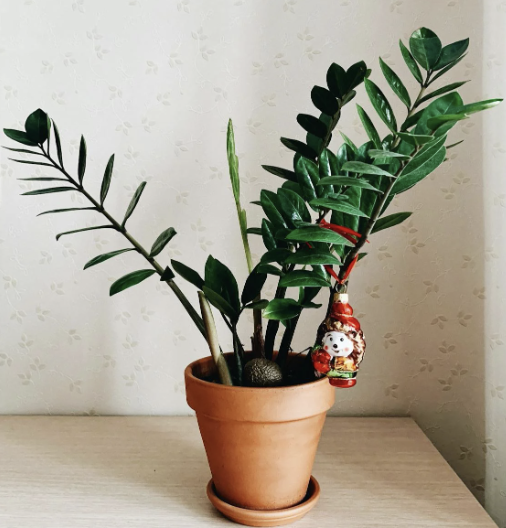
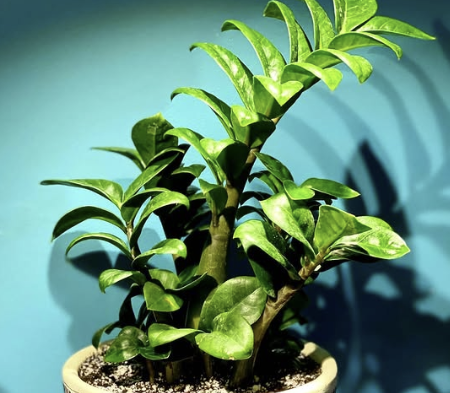
The dwarf ZZ plant, or Zamioculcas zamiifolia ‘Zamicro’, is a popular indoor plant known for its small size, easy-care nature, and unique look. Often called the “eternity plant” for its resilience, the ZZ plant is great for beginners or anyone who wants a low-maintenance addition to their indoor greenery.
Why Own a Dwarf ZZ Plant?
If you want a plant that thrives on minimal care, the dwarf ZZ plant is perfect for you! It’s adaptable to different lighting conditions, doesn’t need frequent watering, and has a compact size, making it ideal for desks, shelves, or any small space. Its glossy, dark green leaves add a modern look to your home, and it’s a great choice for anyone who’s just starting out with plants or might occasionally forget to water.
How to Identify a Dwarf ZZ Plant
The dwarf ZZ plant has the same iconic look as a regular ZZ but stays much smaller, usually topping out around 12 inches in height. Its thick, waxy leaves grow in a zigzag pattern along upright stems, giving it a unique, architectural appearance. Each leaf is glossy and dark green, and this dwarf variety has a more compact growth habit than the standard ZZ plant.
Size
The dwarf ZZ plant is a smaller version of the standard ZZ, reaching only about 8-12 inches tall and wide. It’s perfect for tight spaces or as a decorative plant on a desk, shelf, or tabletop.
Light
ZZ plants are incredibly versatile and can adapt to a wide range of light conditions. They do best in bright, indirect light, but can also survive in low-light environments. Avoid direct sunlight, as it can scorch the leaves. If you’re keeping it in low light, be prepared for slower growth.
Water
The dwarf ZZ plant is very drought-tolerant, which makes it great for those who tend to forget to water. Water only when the top inch of soil is dry, which usually means every 2-3 weeks. Overwatering is one of the few things that can harm this plant, as it can lead to root rot.
Temperature
The dwarf ZZ plant prefers average indoor temperatures, between 65°F and 75°F. It doesn’t like extreme cold, so avoid placing it near drafty windows in winter.
Humidity
This plant isn’t fussy about humidity and can thrive in average household humidity levels. If you live in an extremely dry climate, you may see a slight benefit to placing it near a humidifier, but it’s generally not necessary.
Soil
The dwarf ZZ plant does best in well-draining soil, like a cactus or succulent mix. You can also use a standard potting mix with added perlite or sand to improve drainage. It’s important to avoid soil that retains too much moisture, as the plant is sensitive to overwatering.
Want more detail on perfecting your ZZ plant soil? Read my post Easy Tips for Perfecting your ZZ Plant Soil Mix
Fertilizer
ZZ plants don’t require a lot of fertilizer. Feeding them once every 2-3 months during the growing season (spring and summer) with a balanced, water-soluble fertilizer will support healthy growth. Avoid fertilizing in fall and winter, as the plant’s growth naturally slows down during these seasons.
Potting
Use a pot with good drainage holes to prevent water from pooling. Repotting is only needed every 2-3 years or when the plant outgrows its container. The dwarf ZZ plant is slow-growing, so it won’t need a larger pot too often.
Pruning
Pruning for the ZZ plant is minimal. Simply remove any yellow or damaged leaves to keep it looking fresh. You can also trim any leggy stems to encourage bushier growth.
Propagation
Propagating the dwarf ZZ plant can be done through stem cuttings or leaf cuttings. Take a healthy leaf or stem cutting and place it in water or moist soil. It may take several weeks or even months to see new growth, as ZZ plants are slow to root, but it’s a fun and rewarding process!
Is your plant dying? Read my post on The Devastating Mistakes Killing Your ZZ Plant (And How to Avoid Them).
Pests affecting the Dwarf ZZ Plant
- Spider Mites: These tiny pests can be identified by small webs on the plant. To treat, wipe the leaves with a damp cloth and use insecticidal soap.
- Mealybugs: Mealybugs look like tiny cotton spots on the leaves and stems. Remove them with a cotton swab dipped in rubbing alcohol and follow up with insecticidal soap.
Luckily, ZZ plants are generally pest-resistant and only occasionally experience issues. If pests become a problem, diluted hydrogen peroxide can help control larvae in the soil while improving root oxygen levels.
Diseases affecting the Dwarf ZZ Plant
- Root Rot: The most common disease for ZZ plants, caused by overwatering. To avoid it, make sure your soil drains well, and don’t water until the top inch of soil is dry.
- Leaf Spot: If you see dark spots on the leaves, it could be a fungal infection. Remove affected leaves and ensure good air circulation around the plant.
Is the Dwarf ZZ Plant Toxic?
Yes, ZZ plants are toxic to pets and humans if ingested. The plant contains calcium oxalate crystals, which can cause irritation if ingested, so keep it out of reach of pets and small children.
Common Issues of the Dwarf ZZ Plant
- Yellow Leaves: Often a sign of overwatering. Make sure the soil is dry before watering.
- Drooping Stems: This can happen if the plant is getting too little light. Move it to a brighter spot to perk it up.
- Slow Growth: ZZ plants are naturally slow growers, but if growth is extremely slow, check that the plant is getting enough light and not sitting in cold temperatures.
Difficulty Level of the Dwarf ZZ Plant
The dwarf ZZ plant is an easy-care, beginner-friendly plant. Its tolerance to low light and drought makes it perfect for people with busy schedules or for rooms with less natural light.
What Species to Select
The dwarf ZZ plant, Zamioculcas zamiifolia ‘Zamicro’, is a popular variety due to its compact size. You may also find other varieties like the regular ZZ plant or the “Raven” ZZ with dark, almost black foliage, which can add contrast to your plant collection.
Final Thoughts for the Dwarf ZZ Plant
The dwarf ZZ plant is an easy, low-maintenance houseplant with a stylish look, perfect for small spaces and busy lifestyles. With minimal care, this plant will thrive and bring a touch of green to any corner of your home. If you’re just starting out or simply want a resilient plant, the dwarf ZZ is a fantastic choice!