If you are looking for a simple and stylish plant, the Baby Rubber Plant is a great place to start.
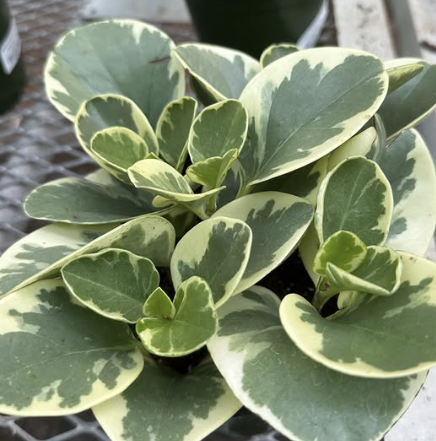
Also known as Peperomia obtusifolia, this popular houseplant is loved for its glossy green leaves and neat, compact shape. It is small, easy to care for, and fits well in almost any indoor space.
Even better, it is a low maintenance plant. So, whether you are new to indoor plants or already a plant enthusiast, it is an ideal choice.
In this guide, I will walk you through everything you need to know about baby rubber plant care. From light and watering to common problems and simple fixes, you will learn how to grow a happy, healthy plant.
What Is a Baby Rubber Plant?
The Baby Rubber Plant, sometimes called the American rubber plant or blunt-leafed peperomia, is part of the Peperomia genus in the Piperaceae family.
It comes from the rainforests of South America, where it grows in warm, humid conditions under the shade of larger plants.
Despite its name, it is not related to rubber plants like Ficus elastica.
Instead, it is a compact plant with thick leaves that almost look like they belong to a succulent. These succulent-like leaves help the plant store water, which makes it more forgiving if you forget to water now and then.
Why a Baby Rubber Plant is a Popular Choice
There are a few reasons why this plant is such a favourite.
First, it has a compact size, so it fits perfectly in small spaces like shelves, desks, and bedside tables.
Also, it is safe for furry friends, which makes it a great option for pet owners.
On top of that, it has beautiful, glossy foliage that adds a fresh and natural feel to your home.
So, if you want something simple but still eye-catching, this is a great choice.
Light Requirements
For the best results, place your plant in bright indirect light.
A bright spot near a window works well, as long as the light is not too strong.
Too much direct sun can damage the leaves and cause brown spots. On the other hand, very low light conditions can lead to slow growth and fewer new leaves.
If your home does not get much natural light, you can use fluorescent lights to help support growth.
Watering Your Baby Rubber Plant
Watering is one of the most important parts of care.
Check the top inch of soil before watering. If it feels dry, it is time to water.
You want the soil to stay lightly moist, but never wet. Soggy soil or wet soil can quickly lead to root rot, which is the most likely cause of problems.
During the growing season, you may water every 1 to 2 weeks. In cooler months, you can water less often.
Always make sure your pot has drainage holes so excess water can escape.
Temperature and Environment
The American baby rubber plant prefers warm and steady conditions.
It does best in normal room temperatures and does not like sudden changes.
Keep it away from cold drafts or cold draughts, as these can stress the plant and cause leaf drop.
Humidity Needs
This plant can handle normal indoor air, but it will enjoy higher humidity.
If your home is dry, especially in winter, try using a pebble tray or adding a little extra humidity.
Regular misting can help, but do not overdo it. Too much moisture on the leaves can cause issues.
Best Soil for Baby Rubber Plant
Good soil is key to healthy growth.
Use a light potting mix that allows water to drain well. A mix with coco coir or perlite works well.
The goal is well-draining soil that holds some moisture but does not stay soggy.
This helps protect the roots and supports steady growth.
Fertilizing for Healthy Growth
Feed your plant during the growing season in spring and summer.
Use a balanced fertilizer every 4 to 6 weeks, but only at half strength.
Too much fertilizer can cause brown spots and damage the leaves.
During the cooler months, you can stop feeding.
Potting and Repotting
This is a slow-growing plant, so it does not need frequent repotting.
Repot every 2 to 3 years, or when you notice roots coming out of the drainage holes.
Choose a pot that is slightly larger, but not too big. A very large pot can hold too much moisture.
The best time to repot is early spring.
Pruning and Maintenance
Pruning is simple and helps your plant stay neat.
Remove yellow leaves or damaged bottom leaves using clean shears.
You can also trim leggy stems to encourage fuller growth and more new growth.
Propagation
The Baby Rubber Plant is very easy to propagate.
You can use stem cuttings or even leaf cuttings.
Take a healthy cutting and place it in water or moist soil. After a few weeks, you should see roots forming and new plants starting to grow.
This is a great way to expand your houseplant collection.
Pests and Problems
This plant is usually strong, but pests can sometimes appear.
Watch for spider mites or mealybugs.
If needed, wipe the leaves with a damp cloth and treat with neem oil or insecticidal soap.
Keeping the plant clean and checking it often will help prevent problems.
Common Issues to Watch For in Baby Rubber Plant
Yellow leaves: Often caused by overwatering or poor drainage.
Drooping leaves: Usually a sign of underwatering or stress from cold conditions.
Leggy growth: This happens when the plant does not get enough light.
Brown spots: Often linked to low humidity or too much fertilizer.
Where to Place Your Plant
Thanks to its compact plant size, this is a great option for small areas.
It works well on desks, shelves, or in a bedroom corner.
It can also be part of a larger indoor plant display if you enjoy mixing different peperomia plants.
Is It Toxic?
The Baby Rubber Plant is non-toxic, which makes it safe for pets and children.
This is one of the reasons it is such a popular choice for family homes.
Other Peperomia Plants
Baby Rubber Plants have very similar care needs to other peperomia plants, such as Watermelon Peperomia and marble varieties.
They all prefer bright indirect light, light watering, and well-draining soil, and they do not like soggy soil as this can lead to root rot.
However, there are a few small differences to keep in mind. The Baby Rubber Plant is the most forgiving, thanks to its thick, succulent-like leaves that store water, so it can handle a bit of neglect and lower light conditions.
Overall, while the care is very similar, the Baby Rubber Plant is often the easiest option, especially for beginners.
FAQ
Why is my Baby Rubber Plant falling over?
This is often caused by too much or too little water, or not enough light. Move it to a brighter spot and check your watering routine.
Why are the leaves turning yellow?
Yellow leaves are usually a sign of overwatering. Make sure the soil is not staying wet.
Why is my plant drooping?
Drooping can happen if the plant is too dry or too cold. Check soil moisture and keep it in a warm spot.
Why are the leaves curling?
This can be caused by low humidity or pests like spider mites. Increase humidity and check the leaves closely.
Why is my plant leggy?
This means it needs more light. Move it to a brighter location with indirect sunlight.
Do Baby Rubber Plants like to be root bound?
They can tolerate it slightly, but it is best to repot every few years.
Do they like misting?
Yes, occasional misting helps, especially in dry homes.
Do they grow big?
They stay small, usually reaching an ultimate height of around 10 to 12 inches.
How big will a Baby Rubber Plant get?
Most plants stay compact and reach around 10 to 12 inches tall. This makes them perfect for small spaces like desks and shelves.
Should I mist my Baby Rubber Plant?
Yes, light misting can help, especially if your home has low humidity. Just avoid over-misting, as too much moisture can lead to problems.
How to make Baby Rubber Plant bushy?
Trim back long or leggy stems using clean shears. This encourages new growth and helps the plant grow fuller and more compact.
Do baby rubber plants like sun or shade?
They prefer bright indirect light. Too much direct sun can damage the leaves, while too much shade can slow growth.
Where to put Baby Rubber Plant?
Place it in a bright spot indoors, such as near a window with filtered light. It works well on shelves, desks, or bedside tables.
Do rubber plants like shallow or deep pots?
Baby Rubber Plants prefer smaller pots that are not too deep. A pot with good drainage is more important than depth, as it helps prevent root rot.
The Baby Rubber Plant is one of the easiest indoor plants you can grow.
With its thick, glossy leaves and simple care needs, it is perfect for both beginners and experienced plant lovers.
Give it the right light, avoid too much water, and use well-draining soil.
Follow these simple care tips, and your plant will stay healthy and full of life for years to come.