The Baltic Blue is a gorgeous and easy-to-care-for plant that adds tropical vibes to any space with its striking blue-green leaves.
If you’re looking to liven up your indoor garden, the Baltic Blue is a perfect choice. Unlike some finicky houseplants, this one is relatively low-maintenance, making it ideal for both beginners and seasoned plant parents. Plus, the Baltic Blue’s unique leaf color and natural fenestrations (those characteristic splits or holes in the leaves) make it a conversation piece that’s sure to draw attention.
This guide will cover everything you need to know to keep your Baltic Blue thriving, including light and water requirements, common pests and diseases, and my favorite tips for getting the best growth out of this beautiful plant. Let’s dive in!
How to Identify a Baltic Blue Plant
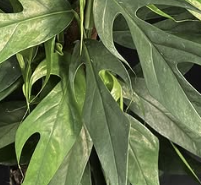
The Baltic Blue is a variety of Epipremnum pinnatum, often referred to as “Devil’s Ivy” or “Blue Pothos” because of its vining nature and blue-green leaves. It’s known for its long, oval-shaped leaves that develop fenestrations (slits) as they mature. The leaves start a deep green, but under the right conditions, they develop a subtle, bluish hue that gives the plant its name.
In terms of size, the Baltic Blue can grow up to 6 feet indoors when climbing on a pole or trellis, or it can trail beautifully from a hanging basket. Each leaf can grow up to a foot long with proper care!
Styling
This is a great plant choice to hang in your bedroom, kitchen, or living space. For other hanging plants, read my post on Indoor Hanging Plants: Easy Styling Tips for a Dreamy Home.
Light Requirements
Baltic Blue plants thrive in bright, indirect light. A spot near a north- or east-facing window is perfect, where they get bright, indirect sunlight without harsh, direct rays that can scorch their leaves. If you have lower light, this plant can tolerate it, though the leaves might not grow as large or develop as many fenestrations.
Water Requirements
This plant likes its soil to be slightly moist but not soggy. Water it when the top inch of soil feels dry to the touch, usually once a week. Make sure to avoid overwatering, which can lead to root rot. During the winter, you can water less frequently, as the plant’s growth will slow down.
Temperature Needs
The Baltic Blue prefers typical indoor temperatures between 65–80°F (18–27°C). Avoid placing it in spots where the temperature drops below 60°F, as it doesn’t like the cold and may suffer from slowed growth or damage to its leaves.
Humidity
Although the Baltic Blue can adapt to average indoor humidity, it will truly thrive in higher humidity. Aim for around 50-70% humidity if possible. To increase humidity, consider placing the plant near a humidifier or on a pebble tray filled with water. If you have a bathroom with bright, indirect light, the Baltic Blue would love the naturally higher humidity levels there.
Soil
For the Baltic Blue, a well-draining potting mix works best. Look for a mix designed for aroids or tropical plants, or make your own by combining potting soil with perlite and orchid bark. This blend will help retain some moisture without becoming too compact, which is perfect for the plant’s roots.
Fertilizer
During the growing season (spring and summer), feed your Baltic Blue once a month with a balanced, water-soluble fertilizer. This will help it grow strong, healthy leaves and keep its vibrant color. In fall and winter, stop fertilizing, as the plant’s growth slows down.
Potting
Repotting is typically needed every 1-2 years, depending on how quickly your Baltic Blue grows. When you see roots poking out of the pot’s drainage holes, it’s time to upgrade to a pot one size larger. Repotting is best done in early spring to give the plant a fresh start for the growing season.
Pruning
Pruning isn’t essential for the Baltic Blue but can help maintain its shape and encourage fuller growth. Use sharp, clean scissors to cut back any leggy or extra-long vines. You can also prune to control its size or remove yellowed or damaged leaves.
Propagation
Propagating Baltic Blue is easy and can be done using stem cuttings. Simply take a 4-6 inch cutting with at least one node (the small bump where roots grow) and place it in water or soil. If in water, change the water weekly. Within a few weeks, you’ll start to see roots develop, and the cutting can be planted in soil.
Pests
Here’s a rundown of the most common pests that affect the Baltic Blue and how to handle them:
Spider Mites: These tiny pests cause small white spots on the leaves. To control spider mites, mist the plant regularly and wipe down the leaves. Use insecticidal soap or neem oil if needed.
Mealybugs: These pests appear as white, cottony clusters on the leaves or stems. They can be treated by dabbing them with a cotton swab dipped in rubbing alcohol or using insecticidal soap.
Scale: Scale insects look like small, brownish bumps on the leaves or stems. You can scrape them off gently with a soft cloth, or treat with neem oil or insecticidal soap.
If pests become a problem, diluted hydrogen peroxide can help control larvae in the soil while improving root oxygen levels.
Diseases
While the Baltic Blue is relatively disease-resistant, it can suffer from a few common issues:
Root Rot: Caused by overwatering or poor drainage. If the plant starts wilting or its roots look mushy, it may have root rot. Repot in fresh, well-draining soil and remove any affected roots.
Leaf Spot: This appears as brown or yellow spots on the leaves, usually from overwatering or too much humidity without enough air circulation. Remove affected leaves, reduce watering, and ensure good airflow around the plant.
Toxicity of Baltic Blue Plant
The Baltic Blue, like many aroids, is toxic to pets and people if ingested. It contains calcium oxalate crystals that can cause irritation if eaten. Keep it out of reach of small children and pets to prevent any accidental munching.
Common Issues and Solutions for Baltic Blue Plant
Yellowing Leaves: Often caused by overwatering or low light. Check your watering habits and ensure the plant is in bright, indirect light.
Drooping or Wilting Leaves: This may indicate underwatering or overwatering. Adjust your watering schedule based on the soil’s dryness.
Slow Growth or Lack of Fenestrations: This can happen in lower light conditions. Move the plant to a brighter spot to encourage larger leaves and more fenestrations.
Difficulty Level of Baltic Blue Plant
The Baltic Blue is considered a low to moderate difficulty plant. While it’s not as tough as some succulents, it’s relatively forgiving and can adapt to most indoor conditions. If you can provide consistent moisture, bright indirect light, and occasional pruning, this plant should thrive.
Choosing the Right Baltic Blue Plant
When selecting a Baltic Blue, look for a plant with healthy, green leaves and no signs of yellowing or browning. Avoid plants with mushy stems or an overly damp soil mix, as these may indicate root rot.
Final Tips for your Baltic Blue Plant
To keep your Baltic Blue looking its best, try to stick to a routine with consistent watering and humidity. It’s an easy-going plant that can adapt to most environments, but it will reward you with larger, fenestrated leaves if it’s given the right conditions. Plus, with its ability to climb and trail, it’s one of the most versatile indoor plants you can have!
Happy growing, and enjoy your Baltic Blue plant!