
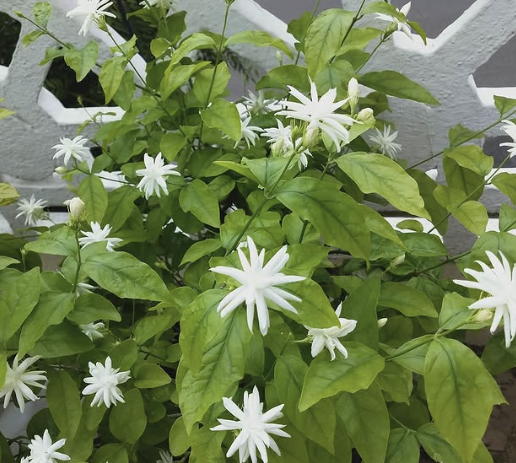
The Belle of India Jasmine, also known as Jasminum sambac, is a stunning plant with fragrant white flowers that bloom almost year-round.
This jasmine variety, often called “Mogra” in India, is highly valued not only for its beauty but also for its captivating scent. If you love plants that make a statement and fill the air with a sweet, tropical aroma, Belle of India Jasmine is perfect for you! Growing one indoors or outdoors can be incredibly rewarding, and I’m here to guide you through each step to help this plant thrive.
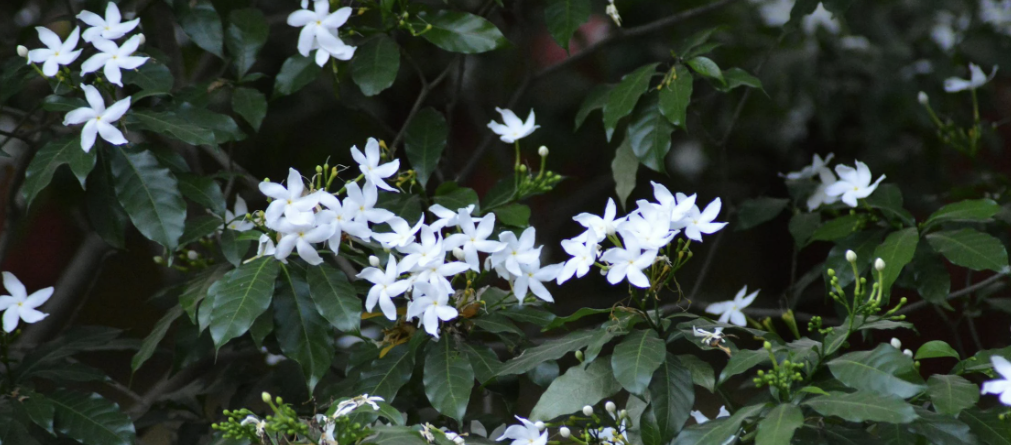
How to Identify a Belle of India Jasmine
The Belle of India Jasmine has simple, glossy green leaves with slightly pointed ends, arranged oppositely on slender stems. Its flowers are the real showstopper, small, white, and star-shaped with multiple layers of petals. These delicate blooms emit a rich, sweet scent, especially in the evening and early morning, that makes the plant so desirable.
This jasmine variety can be grown as a small shrub or trained as a vine, depending on how much space you have. Its classic, fragrant flowers make it a favorite in many cultures, symbolizing purity and beauty.
Size
When grown outdoors in ideal conditions, Belle of India Jasmine can reach up to 6–10 feet tall as a shrub or vine. Indoors, it usually stays smaller, around 2–4 feet tall, making it manageable for most homes.
Want more large plants to add to your collection? Read my post on The 17 Best Large Houseplants You Need to Easily Add Life to Your Home.
Light Requirements
Belle of India Jasmine loves bright, indirect light and can tolerate some direct sunlight, especially in the morning. Ideally, place it near a south or west-facing window where it can get plenty of sunlight but isn’t scorched. If you’re growing it outdoors, partial to full sun works well. During the winter months, if you’re growing it indoors, consider adding a grow light to supplement natural light.
Water Requirements
This jasmine variety prefers evenly moist soil. Water when the top inch of soil feels dry to the touch—usually about once a week indoors. In the warmer months, when the plant is growing more actively, you may need to water a bit more frequently. However, avoid letting it sit in water, as Belle of India Jasmine doesn’t like soggy roots and can develop root rot if overwatered.
Temperature Needs
Belle of India Jasmine grows best in warm temperatures between 60–80°F (15–27°C). It’s not very cold-tolerant, so if you’re growing it outdoors and live in a region with cold winters, bring it inside once temperatures start to dip below 50°F (10°C).
Humidity
Like most tropical plants, Belle of India Jasmine appreciates higher humidity. Aim for around 50-60% humidity, especially if you’re growing it indoors. You can use a humidifier nearby or place the plant on a tray of water with pebbles to increase humidity around it. If you live in a naturally humid climate, this plant will be quite happy outdoors.
Soil
A well-draining, slightly acidic soil mix is ideal for this jasmine variety. A good option is a mix that combines regular potting soil with perlite and a bit of peat moss. This combination allows for good drainage while retaining enough moisture for the roots.
Fertilizer
During the growing season (spring and summer), feed your Belle of India Jasmine every 2-4 weeks with a balanced, water-soluble fertilizer. This will encourage healthy growth and more abundant blooms. Avoid fertilizing in fall and winter when the plant’s growth slows down.
Potting
When grown in a container, repotting every 1-2 years is ideal for this jasmine, as it can quickly outgrow its pot. Choose a pot with drainage holes to avoid waterlogging. Repot in early spring before new growth begins, giving the roots plenty of space to grow.
Pruning
Pruning is essential to encourage new growth and more flowers. After each bloom cycle, trim back the plant to shape it and remove any dead or damaged stems. You can also pinch back new growth to encourage a fuller, bushier plant.
Propagation
Belle of India Jasmine can be propagated easily from stem cuttings. Take a 4-6 inch cutting with at least two sets of leaves. Place the cutting in water or directly in moist soil, keeping it warm and humid. Roots should start forming in 2-4 weeks. Once the roots are a few inches long, you can transfer the cutting to a pot with well-draining soil.
Pests affecting the Belle of India Jasmine
Here are some common pests you may encounter with Belle of India Jasmine and how to handle them:
- Aphids: These tiny, sap-sucking insects can cause curling or yellowing leaves. They’re often found on new growth. You can rinse them off with water or use insecticidal soap.
- Spider Mites: These pests thrive in dry conditions and can cause tiny yellow speckles on the leaves. To control them, mist the plant regularly or use a neem oil spray.
- Whiteflies: Whiteflies are small, flying insects that often hide under leaves. They can be controlled with insecticidal soap or sticky traps.
If pests become a problem, diluted hydrogen peroxide can help control larvae in the soil while improving root oxygen levels.
Diseases affecting the Belle of India Jasmine
- Root Rot: Caused by overwatering or poor drainage, root rot can lead to wilting and yellowing leaves. If you notice mushy roots, repot the plant in fresh, well-draining soil, removing any rotted roots.
- Leaf Spot: Leaf spots appear as brown or black spots, often due to fungal infections. Avoid getting the leaves wet when watering and ensure good air circulation around the plant to prevent fungal issues.
Toxicity of the Belle of India Jasmine
Belle of India Jasmine is generally considered safe for people and pets, making it a family-friendly choice. However, it’s always wise to keep plants out of reach of curious pets, just in case.
Common Issues and Solutions of the Belle of India Jasmine
- Yellowing Leaves: Often caused by overwatering or poor drainage. Check the moisture level of the soil and ensure the pot has proper drainage.
- Wilting or Drooping Leaves: This can be due to underwatering or root rot. If the soil is dry, give the plant a thorough watering. If overwatered, check the roots and repot if necessary.
- Lack of Flowers: Insufficient light or lack of nutrients could be the culprit. Make sure your jasmine is getting enough sunlight and consider adding a bloom-boosting fertilizer in spring.
Difficulty Level of the Belle of India Jasmine
Belle of India Jasmine is a moderate-difficulty plant, meaning it requires some specific care but is manageable with a bit of attention. If you’re new to houseplants, take it slow and experiment with its lighting and water needs to get the balance right.
Choosing the Right Jasmine Species
When selecting a jasmine plant, Jasminum sambac (Belle of India) is a fantastic choice if you want the classic, fragrant flowers that many people adore. Other jasmine varieties, like Arabian Jasmine or Grand Duke of Tuscany, also have fragrant blooms and similar care requirements, making them great alternatives if you’re looking to start a collection.
Final Tips for the Belle of India Jasmine
To keep your Belle of India Jasmine looking its best, remember to keep it in a warm, bright spot with a bit of extra humidity. Don’t be afraid to prune regularly, as this will keep the plant healthy and promote more blooms. By following these care tips, you’ll have a thriving jasmine plant that rewards you with beautiful, fragrant flowers.
Enjoy growing your Belle of India Jasmine! Its elegance and fragrance make all the effort worthwhile.