
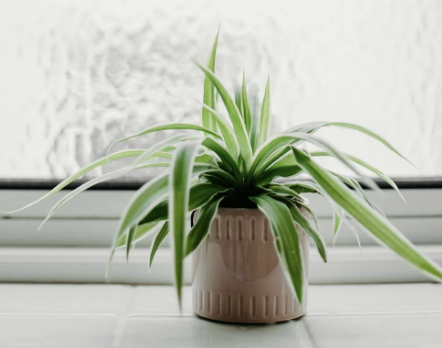
Spider plants (Chlorophytum comosum) are some of the most popular houseplants, thanks to their easy-going nature and unique, “spider-like” leaves that make them a beautiful addition to any room. However, even a hardy plant like a spider plant can sometimes run into trouble. Whether it’s browning leaves, drooping, or slow growth, I’ll walk you through everything you need to know to revive your spider plant and get it thriving again!
Signs Your Spider Plant Needs Help
Before you can fix any issues, it helps to know what’s wrong. Here are a few signs your spider plant may be struggling:
- Brown or crispy leaf tips
- Droopy or limp leaves
- Yellowing leaves
- Slow or stunted growth
These symptoms are often caused by common problems like overwatering, underwatering, low humidity, lighting issues, or even pests. Let’s dive into each issue and how to solve it!
Step 1: Check Your Watering Routine
Watering issues are the number one cause of spider plant problems. These plants don’t like soggy soil, but they also don’t like to dry out completely.
How to Fix Overwatering
- Check the soil by sticking your finger about an inch deep. If it feels soggy or smells musty, it’s likely overwatered.
- If overwatering is the issue, take the plant out of its pot and inspect the roots. Healthy roots are firm and white, while overwatered roots are soft and dark.
- Trim any rotten roots with clean scissors.
- Repot the plant in fresh, well-draining soil (potting soil mixed with perlite works great).
- Adjust your watering schedule: water only when the top inch of soil feels dry, typically every 1-2 weeks depending on the temperature and season.
How to Fix Underwatering
If the soil is completely dry and the plant’s leaves look limp or wrinkled, your spider plant is likely thirsty.
- Water the plant thoroughly until you see water coming out of the drainage holes.
- For a quick hydration boost, you can place the plant in a shallow dish of water for 15-20 minutes, allowing it to soak up water from the bottom.
Pro Tip: Use room-temperature, filtered water if possible, as spider plants can be sensitive to the chemicals in tap water, like chlorine or fluoride. If you’re using tap water, let it sit out overnight to allow some of the chemicals to evaporate.
Step 2: Boost Humidity
Spider plants naturally grow in more humid environments, so if the air in your home is dry, your plant might suffer. Low humidity is one of the biggest causes of brown leaf tips.
How to Increase Humidity
- Mist the leaves a couple of times a week, especially during the winter when indoor air tends to be drier.
- Place a humidity tray under the plant: fill a shallow tray with pebbles and water, then set the plant pot on top (but make sure it’s not directly sitting in water).
- Group your spider plant with other plants to create a mini humid environment.
Step 3: Check the Light Conditions
Spider plants are adaptable, but they grow best in bright, indirect light. Too much direct sunlight can scorch the leaves, while low light can lead to slow or leggy growth.
How to Fix Lighting Issues
- If your plant is getting too much light (look for white, faded, or crispy leaves), move it a few feet away from the window or add a sheer curtain.
- If your plant is in low light, move it to a brighter spot, ideally near a window with indirect light.
Pro Tip: A north- or east-facing window is usually perfect for a spider plant. If natural light is hard to come by, a grow light can be a great solution to provide that much-needed brightness.
Step 4: Fertilize the Spider Plant (But Don’t Overdo It)
Fertilizer can help boost your spider plant’s growth, but too much fertilizer can actually harm the plant, causing brown tips and root burn.
How to Fertilize Properly
- Use a balanced, water-soluble fertilizer diluted to half-strength.
- Fertilize once a month during the growing season (spring and summer) and skip fertilizing during fall and winter.
- If you suspect over-fertilization, flush the soil by watering generously until water flows out of the drainage holes. This helps wash away any built-up salts.
Step 5: Repot If Needed
Sometimes, a spider plant can start to decline if it’s root-bound (when roots outgrow the pot and become cramped). If your plant isn’t growing well or you see roots poking out of the pot’s drainage holes, it’s probably time to repot.
How to Repot
- Choose a pot that’s one size larger than the current one, with good drainage holes.
- Fill the new pot with fresh potting soil, ideally a well-draining mix.
- Carefully remove the plant from its old pot, loosen any tightly bound roots, and place it in the new pot.
- Fill in around the plant with soil, water lightly, and let it adjust to its new home.
Pro Tip: Repotting every 1-2 years helps keep your spider plant healthy and encourages new growth.
Step 6: Deal with Pests (If Needed)
Spider plants can sometimes attract pests like spider mites, mealybugs, or aphids, especially if they’re under stress.
How to Handle Pests
- Inspect the leaves, especially the undersides, for any signs of pests like tiny webs, white fuzz, or small bugs.
- Wipe the leaves with a damp cloth to remove any visible pests.
- For a more persistent problem, spray the plant with insecticidal soap or a mixture of water and a few drops of dish soap. Repeat every few days until the pests are gone.
Pro Tip: Keep your plant’s leaves clean by wiping them down with a damp cloth every few weeks. This helps prevent pests and allows the leaves to absorb more light.
Step 7: Trim Dead or Damaged Leaves
Pruning helps your plant focus its energy on healthy growth. Removing damaged or dead leaves can instantly improve the plant’s appearance and encourage new growth.
How to Prune
- Use clean scissors to trim off any brown tips or fully dead leaves at the base.
- Trim brown tips just above the green part, keeping the leaf as long as possible.
- Discard pruned leaves and keep an eye out for new growth.
Give Your Spider Plant Time to Recover
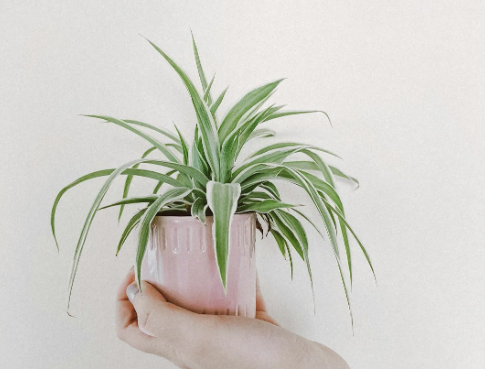
Reviving a spider plant isn’t always instant. After making these adjustments, give your plant some time to bounce back. Within a few weeks, you should see new growth and healthier, happier leaves. Remember, spider plants are hardy and usually respond well to some extra TLC.
Reviving a spider plant is totally doable with a little patience and some simple care steps. By adjusting your watering routine, checking light conditions, increasing humidity, and staying on top of any pests, you can bring your spider plant back to its full, vibrant self. With a little love and attention, your spider plant will be thriving in no time!