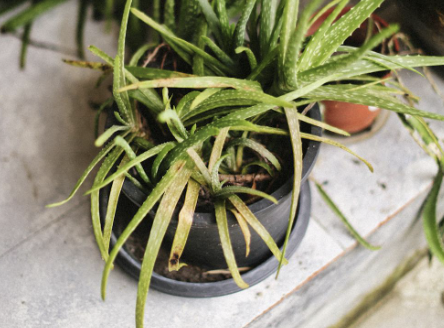
Aloe vera is a hardy plant from the Arabian Peninsula. It is a popular choice for indoor succulents and desert plants.
Healthy aloe plants usually have vibrant green leaves. If your aloe plant’s leaves start turning yellow, it could be a sign of stress.
Aloe vera leaves naturally store energy and water. Some color changes are normal. For example, lower leaves may yellow as new growth appears. But sudden leaf yellowing or browning aloe is a possible yellowing that should be checked.
Understanding the causes of aloe vera leaf yellowing helps keep your indoor plants healthy.
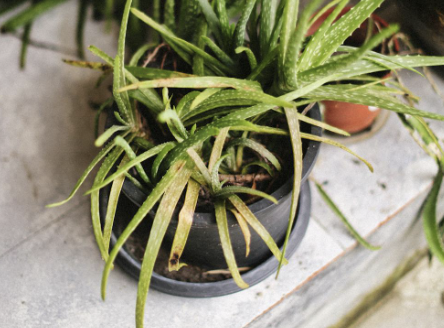
Unhealthy Aloe Vera Appearance
A yellow aloe vera plant often shows signs like:
- Leaf discoloration: Leaves turn pale green or yellow. Lower leaves are usually affected first.
- Wilting or drooping: Thick leaves may droop if the soil is too wet.
- Spots or marks: Brown spots or brown areas may appear on the aloe vera leaves.
The aloe plant’s leaves might also feel soft or mushy at the base of the plant. Wet soil near the root system or excess moisture can make root rot worse.
Causes of Unhealthy Aloe Vera Plants
1. Overwatering Aloe Vera
Causes of Overwatering
- Excess water fills the inner pot and bottom drain holes of the pot.
- Wet soil prevents oxygen from reaching the root system.
- Stored energy in succulent leaves cannot handle too much water.
Signs include: leaf yellowing, drooping succulent leaves, and brown aloe vera at the base of the plant. Accidental over-watering is the highest number cause of a browning aloe plant.
2. Poor Drainage or Soil Mix for Aloe Vera
Causes of Poor Soil
- Using poor soils or pots without drainage holes traps water.
- Aloe needs the right soil mix: coarse sand and a succulent mix help.
- Excess moisture encourages fungal diseases and root rot.
3. Insufficient Light
Signs of Low Light
- Aloe vera leaves lose green color and thin out.
- Indoor succulents need enough light or indirect sunlight.
- Low light slows growth and can cause leaf yellowing.
4. Excessive Sunlight
Signs of Too Much Sun
- Leaf tips may brown in bright sunlight or full sun.
- Excessive sunlight or hours of direct sunlight can burn leaves.
- Flip side: Aloe prefers bright light or indirect light for indoor plants.
5. Nutrient Deficiencies
Signs of Nutrient Issues
- Aloe vera may need a nutrient of greatest importance: nitrogen.
- Fertilizer with correct N-P-K ratios supports vibrant green leaves.
- Poor soils can lead to leaf yellowing and brown spots.
6. Environmental Stress
- Sudden changes in temperature or cold nights can stress aloe vera.
- Degrees Fahrenheit below the plant’s comfort range can cause color change.
- Moving plants suddenly to a brighter location or new pot can trigger leaf yellowing.
7. Pests or Diseases affecting Aloe Vera
Common Pests
- Mealybugs and scale insects can cause leaf yellowing.
- Use neem oil or insecticidal soap carefully for treatment.
Fungal Diseases
- Wet soil and excess moisture can encourage fungal diseases.
- Severe cases may require removing affected leaves or repotting.
How to Save Your Aloe Vera
For more detailed tips on keeping your indoor aloe vera healthy, check out my guide Aloe Vera Plant Care for watering, light, and fertilizing advice.
Adjust Watering
- Check the soil’s moisture level before watering.
- Water only the top inch of soil during growing season.
- Less water prevents root rot.
Improve Lighting
- Move your plant to a brighter location with indirect sunlight.
- Avoid sudden shifts from little light to full sun.
- Ensure hours of direct sunlight do not exceed the plant’s tolerance.
Fertilize Properly
- Use a fertilizer with the right N-P-K ratios for succulents.
- Feed during growing season only.
- Avoid overfertilizing or using poor soils.
Treat Pests/Diseases
- Remove brown leaves at the base of the plant.
- Apply neem oil or insecticidal soap for pests.
- Repot if fungal diseases persist.
Improve Drainage and Soil
- Ensure pot has bottom drain holes.
- Use a succulent soil mix with coarse sand – for more details, read my post Best Soil for Aloe Vera Plants.
- Avoid excess water and drained water accumulation.
Preventing Future Problems
- Maintain a watering schedule based on soil moisture.
- Monitor light exposure: enough light but not excessive sunlight.
- Keep aloe in stable temperatures, away from cold nights.
- Regularly remove dead or old leaves to maintain overall plant health.
- Rotate pots to balance natural light for indoor succulents.
Yellow leaves on your aloe plant usually result from too much water, low light, or poor drainage.
- Check soil moisture and drainage holes.
- Move plants to indirect sunlight or bright light.
- Adjust watering and fertilization.
Healthy aloe vera plants have vibrant green leaves, thick succulent leaves, and strong root systems. Monitor your plant regularly, and act quickly if leaf yellowing appears.