
Alocasia plants are bold, dramatic plants. Their large, striking leaves can instantly transform a room. Whether you grow Alocasia Polly, Amazonica, or another variety, these plants make a statement.
But unlike snake plants or spider plants, alocasias are not low-maintenance.
They grow fast during the right season and need steady nutrients to support those large leaves. If your plant has dropped leaves, stopped growing, or looks pale, fertilizer might be part of the answer.
For more details on these plants, read the full care guides on Alocasia Bambino and Alocasia macrorrhiza ‘Stingray’.
In this guide, you’ll learn when to fertilize, what type to use, and how to avoid common mistakes that stress these tropical plants.
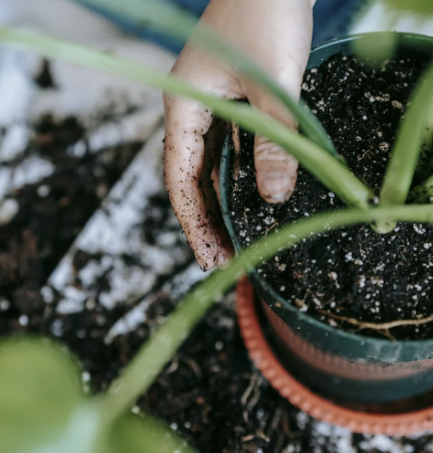
Do Alocasias Even Need Fertilizer?
Yes, alocasias benefit from regular feeding during their active growing season. These plants produce large leaves that require more energy than smaller houseplants. When growing conditions are right, they grow quickly and use nutrients fast.
In pots, soil nutrients are limited. Watering also washes nutrients out through the drainage holes. Without fertilizer, growth slows and leaves may become smaller or lighter in color.
Fertilizer supports strong roots, healthy stems, and bold foliage. However, balance is important. Too much fertilizer can damage the roots just as easily as too little can slow growth.
Signs Your Alocasia Is Actively Growing
Alocasias grow most actively in spring and summer. This is when temperatures are warmer and light levels increase. You will notice new leaves emerging from the center of the plant. Each new leaf often appears tightly rolled before slowly opening.
Healthy growth looks upright and firm. Leaves are large, vibrant, and well-shaped. If your alocasia is producing new leaves every few weeks, it is in active growth and ready for light feeding.
During fall and winter, many alocasias slow down or enter dormancy. Some may even drop leaves. This is normal and affects feeding schedules.
Can Alocasias Survive Without Fertilizer?
Alocasias can survive for short periods without fertilizer, especially if planted in fresh potting mix. However, over time, nutrient shortages will limit growth.
Because they are heavier feeders than many indoor plants, they tend to show deficiencies sooner. Leaves may become pale, smaller, or fewer in number.
If you want large, dramatic foliage, consistent feeding during the growing season makes a noticeable difference.
Signs Your Alocasia Needs Fertilizer
An alocasia that needs nutrients may produce smaller leaves than usual. Growth may slow during spring or summer despite proper light and watering. Leaves can appear slightly yellow or washed out in color.
Before adding fertilizer, check for other issues. Overwatering, poor drainage, or root rot can cause similar symptoms. Alocasias prefer moist but not soggy soil. Always make sure excess water drains completely from the pot.
Best Fertilizer for Alocasias
The best fertilizer for alocasias is balanced but slightly higher in nitrogen to support leafy growth. A balanced NPK ratio like 10-10-10 works well. Some growers prefer a 3-1-2 ratio to encourage strong foliage.
Nitrogen supports large leaves. Phosphorus supports root development. Potassium strengthens the plant overall.
Liquid fertilizer is usually the easiest option for indoor alocasias. It allows for better control and even distribution in the soil.
NPK Ratio Explained
NPK stands for nitrogen, phosphorus, and potassium. These are the three main nutrients plants need.
Nitrogen helps leaves grow large and green. Phosphorus supports root health and energy transfer. Potassium helps the plant resist stress and disease.
Alocasias are grown mainly for their foliage, so balanced or slightly nitrogen-focused fertilizer works best.
Liquid vs. Granular Fertilizer
Liquid fertilizer is ideal for alocasias grown in pots. It spreads evenly through the soil and reduces the risk of salt buildup. You can easily dilute it to half strength, which helps prevent fertilizer burn.
Granular fertilizer releases nutrients slowly, which can work outdoors. In indoor containers, however, buildup can happen if watering is inconsistent.
For most plant owners, diluted liquid fertilizer every few weeks during active growth is the safest approach.
Store-Bought Fertilizer Options
Look for balanced liquid houseplant fertilizer or fertilizer labeled for tropical foliage plants. Organic liquid fertilizers are a good option for gentler feeding. Synthetic fertilizers also work well if used carefully.
Always check your potting soil before feeding. Some mixes contain slow-release fertilizer. Adding more too soon can cause overfeeding.
Natural and Homemade Fertilizer for Alocasias
Natural options like diluted fish emulsion or compost tea can support steady growth. These provide nutrients gently and are less likely to cause fertilizer burn.
Coffee grounds are not recommended for alocasias in pots. They can change soil texture and drainage. Alocasias prefer well-draining, airy soil. Heavy additions like coffee grounds may hold too much moisture and increase the risk of root problems.
Homemade fertilizers should always be diluted and used sparingly.
Organic vs. Synthetic Fertilizers
Organic fertilizers release nutrients more slowly and improve soil structure over time. They are less likely to cause salt buildup. Synthetic fertilizers act faster and are easier to measure precisely.
Both can work well for alocasias. The most important factor is proper dilution and timing.
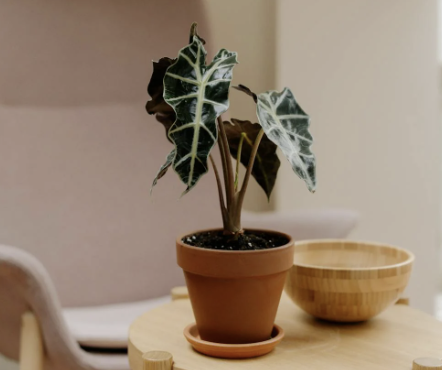
When to Fertilize Alocasias
The best time to fertilize alocasias is during spring and summer when new leaves are actively forming. Start feeding once you see consistent growth.
Reduce feeding in fall and stop during winter dormancy. Fertilizing during dormancy can stress the roots and lead to salt buildup.
How Often to Fertilize Alocasias
Alocasias generally benefit from feeding every two to four weeks during the growing season. Always dilute liquid fertilizer to half strength unless otherwise directed.
If growth is strong and consistent, maintain this schedule. If growth slows, reduce feeding.
How to Fertilize Alocasias (Step-by-Step)
Begin by watering the plant lightly to protect the roots. Mix liquid fertilizer at half strength. Pour evenly over the soil surface until water drains from the bottom of the pot. Avoid wetting the leaves.
Allow the pot to drain completely and empty any saucer beneath it.
Avoiding Fertilizer Burn
Fertilizer burn appears as brown leaf edges, crispy tips, or sudden leaf drop. Salt buildup in the soil may show as a white crust on the surface.
Flush the soil with clean water every few months to prevent buildup. Good drainage is essential for healthy roots.
Signs of Over-Fertilizing
Too much fertilizer can cause yellowing leaves, weak stems, or leaf edges turning brown. Growth may become uneven or distorted.
Overfed alocasias are also more prone to pests and stress.
How to Fix Too Much Fertilizer
Stop fertilizing immediately. Flush the soil thoroughly with water to remove excess salts. If symptoms continue, repot the plant into fresh, well-draining soil.
Allow the plant time to recover before resuming feeding.
Common Mistakes to Avoid
One common mistake is fertilizing during winter dormancy. Another is using full-strength fertilizer. Poor drainage combined with frequent feeding can quickly lead to root problems.
Alocasias respond best to steady, moderate care rather than heavy feeding.
Frequently Asked Questions
Do alocasias need a lot of fertilizer?
Alocasias need regular feeding during the growing season, but not heavy doses. Light, consistent feeding works best.
Should I fertilize Alocasia in winter?
No. Most alocasias slow down or go dormant in winter. Feeding during this time can stress the plant.
When should you fertilize alocasia plants?
Fertilize during spring and summer when the plant is actively producing new leaves.
Are coffee grounds good for alocasia plants?
Coffee grounds are not recommended for potted alocasias. They can affect drainage and are not necessary for healthy growth.
Alocasias are stunning plants that reward careful attention. With proper light, consistent moisture, and balanced feeding during the growing season, they produce bold, beautiful leaves that stand out in any room.
Keep feeding light, watch your plant’s growth patterns, and adjust as needed. Healthy alocasias always show you when they are thriving.