
Monstera plants have a bold look that plant parents love.
Large leaves. Deep splits. Strong growth.
However, even the swiss cheese plant needs the right fertilizer to thrive.
Therefore, choosing the best feeder for monstera matters more than many people expect.
With the right mix, you support healthy growth, strong roots, and new leaves all season.
This guide explains what monstera plants need and when to feed them.
It also covers mistakes, signs of problems, and simple fixes.
Need help caring for your Monstera? Check out my full guide here.
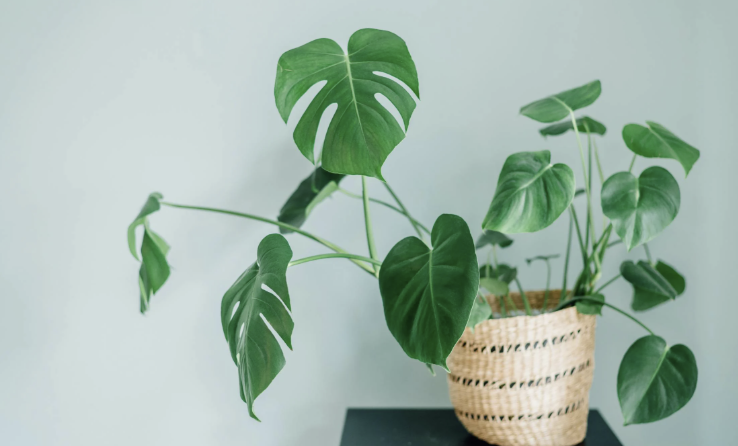
Why Fertilizer Matters for Monstera Plants
Monstera deliciosa plants grow fast during the growing season.
They need steady nutrients to support large leaves and aerial roots.
Indoor plants rely on limited soil nutrients.
Over time, those nutrients run out.
As a result, fertilizer becomes part of good monstera plant care.
It fuels plant growth and supports overall health.
A healthy monstera shows lush leaves and steady new growth.
Strong roots also help prevent root rot and fungal disease.
Understanding Monstera Nutrient Needs
Monstera plants are tropical plants from warm regions.
They thrive with balanced nutrition and moist soil.
The main nutrients include nitrogen, phosphorus, and potassium.
These nutrients appear on fertilizer labels as NPK numbers.
Nitrogen supports foliage plants and large leaves.
Phosphorus helps strong roots and root growth.
Potassium supports overall health and resistance.
Micronutrients also matter for optimal growth.
These include magnesium, calcium, and iron.
The Nutrient Balance of Monstera Fertilizer
A balanced houseplant fertilizer works well for monstera houseplants.
Many plant enthusiasts choose equal parts nutrients.
A balanced 20-20-20 NPK ratio offers consistent nutrition.
Each number represents parts nitrogen, part phosphorus, and parts potassium.
This balance supports healthy growth without stressing the plant.
It also works well for monstera adansonii and other monstera varieties.
Liquid fertilizer offers faster nutrient delivery. Granular releases nutrients more slowly.
Both types work with the right fertilizing schedule.
Best Fertilizers for Monstera Plants
1. Liquid Fertilizer for Indoor Plants
Liquid feeder mixes easily with a gallon of water.
It feeds the plant evenly and quickly.
Products like Dyna-Gro Foliage Pro offer balanced nutrition.
They support lush leaves and steady plant growth.
Liquid feeder works well during the growing season.
It also allows better control over smaller amount dosing.
2. Organic Fertilizer Options
Organic fertilizer feeds plants using natural sources.
These improve soil health and support strong roots.
Worm castings are a popular organic plant food.
They provide gentle nutrients and improve moist soil structure.
Organic materials work well for plant parents seeking slow release feeding.
They also reduce the risk of fertilizer burn.
3. Granular Fertilizer
Granular feed releases nutrients over time.
This supports consistent nutrition with less frequent feeding.
It works best in pots with drainage holes.
Good drainage protects roots at the bottom of the pot.
This option suits plant enthusiasts with busy schedules.
4. Monstera-Specific Plant Food
Some brands offer monstera plant food blends.
Growscripts monstera fertilizer targets specific needs.
These products often include essential nutrients and trace minerals.
They support healthy monstera and large quantities of foliage.
Best Time to Use Fertilizer on Monstera
Timing matters for best results.
The correct time depends on growth cycles.
The growing season starts in spring and lasts through summer months.
This period supports optimal growth and new leaves.
Feed monstera plants every 2–4 weeks during this time.
Use a smaller amount for young plants.
During winter months, growth slows.
Reduce feeding or pause fertilizing.
Warm temperatures and good light increase nutrient needs.
Grow light use may extend feeding periods indoors.
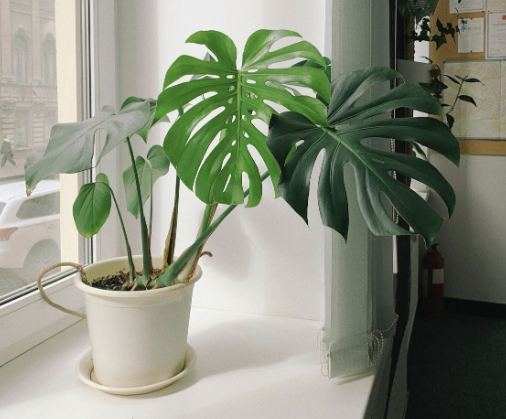
Signs Your Monstera Needs Fertilizer
Your plant often shows signs before growth stalls.
Watch for changes in leaves and growth speed.
Common signs include slow growth and pale foliage.
Yellow spots may also appear on older leaves.
Small new leaves suggest nutrient deficiencies.
Weak stems indicate a lack of right nutrients.
Healthy monstera plants show steady growth and deep green color.
Consistent feeding supports this balance.
Signs Your Monstera Is Under-Fertilized
Under-fed plants struggle to grow.
They may look dull and tired.
Common signs include slow growth and fewer new leaves.
Leaves may remain small and thin.
The plant’s leaves may lose shine.
Overall health declines over time.
Adding fertilizer gradually restores balance.
Always follow a general rule of gentle feeding.
Signs Your Monstera Is Over-Fertilized
Too much fertilizer causes stress.
This leads to root burn and leaf damage.
Brown spots often appear on leaf edges.
Yellow spots may also develop.
Excess salts build up in the soil.
This affects root health and water uptake.
Flush soil with plain water to remove buildup.
Ensure good drainage before feeding again.
How to Fertilize Monstera the Best Way
Start with moist soil before fertilizing.
Never fertilize dry soil.
Mix liquid feeder with distilled water.
This prevents salt buildup from tap water.
Apply evenly until water drains from the bottom of the pot.
This ensures roots receive nutrients evenly.
Follow a fertilizing schedule during active growth.
Adjust amounts based on plant size.
Common Fertilizing Mistakes to Avoid
Avoid fertilizing in direct sunlight.
This increases stress and leaf damage.
Never exceed recommended dosage.
Large quantities cause fertilizer burn.
Do not fertilize during disease or root rot.
Address health issues first.
Avoid poor soil without nutrients.
The best soil supports healthy plants long term.
Supporting Fertilizer With Proper Care
Fertilizer works best with the right conditions.
Light, water, and humidity levels matter.
Provide bright indirect light for best growth.
Avoid direct sunlight indoors.
Maintain regular watering and moist soil.
Never allow roots to sit in water.
Warm temperatures support tropical beauties like monstera.
Humidity also boosts plant growth and leaf size.
FAQ
What is the best fertilizer for Monstera?
A balanced houseplant fertilizer works best.
Look for a balanced 20-20-20 NPK ratio.
Should you fertilise Monstera?
Yes.
Monstera plants should be fertilized during the growing season.
What is the best Monstera fertilizer ratio?
Equal parts nutrients work well.
A balanced 20-20-20 ratio supports healthy growth.
Is 20-20-20 ratio good for Monstera?
Yes. It provides right nutrients for foliage and roots.
What is Monstera fertilizer NPK?
NPK often ranges from 10-10-10 to 20-20-20.
Balanced formulas support optimal growth.
Do coffee grounds help Monstera?
Coffee grounds offer organic materials.
Use sparingly to avoid soil imbalance.
Monstera plants reward proper care with dramatic leaves.
The best fertilizer supports the growth and overall health of your plant.
Choose the right product and plan your feed timing.
Feed gently and observe your plant’s response.
With consistent nutrition, your monstera thrives.
Healthy plants always show their gratitude.