
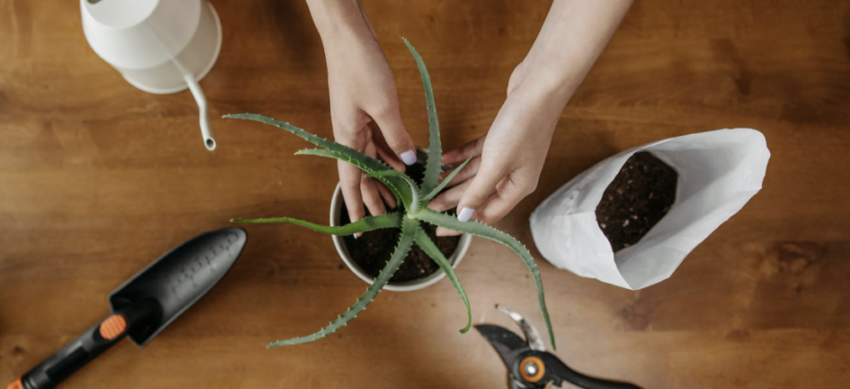
The aloe vera plant is one of the most popular low-maintenance houseplants. Many people grow aloe for its soothing gel and medicinal purposes. To grow healthy aloe plants, the soil must be right.
Soil controls how water moves and how roots breathe. The wrong kind of soil can hold too much water. This often leads to root rot and poor growth. This guide explains the perfect soil mix for growing aloe vera.

Plant Overview & Why Soil Matters
Aloe vera, also known as Aloe barbadensis, is a succulent plant. Succulents store water in their thick leaves. This allows them to survive long dry periods.
In its natural habitat, aloe grows in dry regions of Africa. The soil there is sandy soil with excellent drainage. These dry conditions shape how aloe grows and survives.
When aloe sits in wet soil, roots suffer. Excess moisture blocks air and causes fungal growth. The right soil prevents excess water and protects strong roots.
Good to Know About Planting Aloe Vera
Aloe vera plants grow slowly but live for many years. They are good houseplants for beginners. Their low-maintenance nature makes them easy to care for.
A mature plant often produces aloe vera pups. These baby plants grow next to the mother plant. Each aloe pup develops its own roots and can become a new plant.
Planting Aloe Vera in Pots
Planting aloe vera in pots is a good idea. Pots give you control over water and soil. This is helpful for indoor plant care.
Aloe can grow outdoors year-round in warm climates. In colder months, pots allow you to move plants inside. This protects aloe from frost damage.
Types of Pots for Aloe Vera Plants
The pot type affects drainage and root health. Aloe does best in pots made from porous materials. These allow moisture to escape.
A terra cotta pot is an excellent choice. It dries faster than plastic or ceramic. This helps prevent excess water buildup.
Always choose pots with plenty of drainage holes. Without them, water collects at the bottom of the pot. This increases the risk of root rot.
Pot Size for Aloe Vera Plants
Use a small pot for a new plant or aloe pup. The pot should fit the root ball closely. Too much space can trap moisture.
A larger pot holds more soil and water. This can lead to excess moisture and slow drying. The right pot size keeps roots healthy and dry.
Drainage Requirements
Good drainage is essential for aloe. Drainage holes allow excess water to escape quickly. This protects the base of the plant.
You can add small stones or lava rock at the bottom of the pot. This improves water flow and prevents soggy soil. Excellent drainage supports strong roots.
Best Soil for Aloe Vera Plants
The right soil makes the biggest difference in aloe health. Aloe needs a well-draining soil mix that dries fast.
Regular potting soil holds too much water. It stays moist soil for too long. This creates the perfect environment for root rot.
Factors to Consider When Choosing Soil
Aloe soil must allow water to drain fast. It should also allow air to reach the roots. Roots need oxygen to stay healthy.
Soil should not compact or clump together. Loose soil supports new growth. It also prevents excess water buildup.
Ideal Soil Characteristics
The perfect soil mix feels gritty and light. It drains quickly after watering. It should never feel muddy or soggy.
Aloe prefers dry soil between watering. This mimics its natural habitat. Dry conditions keep roots strong.
pH Requirements
Aloe prefers soil with a neutral pH. Slightly acidic soil also works well.
Avoid soil with strong chemicals. Simple soil supports healthier roots and steady growth.
Nutrient Balance
Aloe does not need rich soil. Too many nutrients can weaken the plant.
A small amount of organic matter is enough. This supports slow, steady growth without stress.
Recommended Soil Mix for Aloe Vera
A succulent soil mix is the easiest option. It is designed for dry climates and less water.
Many commercial soil mixes are available. Look for mixes labeled for succulent plants. These provide excellent drainage.
Best Soil Mix for Aloe Vera: Beginner vs Experienced Options
Not everyone wants the same level of soil mixing. Some people want a simple solution. Others enjoy customizing their soil. Both approaches can work well for growing aloe vera.
Choose the option that fits your experience level and growing conditions.
Beginner Soil Mix (Simple & Safe)
This option is best for beginners. It works well for indoor plants and small pots. It also lowers the risk of root rot.
A cactus and succulent mix is the easiest choice. It is made for plants that store water, like aloe vera. These mixes drain fast and dry quickly.
Most commercial cactus succulent mixes already contain sandy soil and porous materials. This helps prevent excess moisture around the roots.
For better results, you can add perlite. Perlite improves airflow and drainage. It helps create a well-draining soil mix.
Beginner soil mix:
- Cactus and succulent mix
- Optional perlite for extra drainage
This mix works well in a terra cotta pot with drainage holes. It is a good idea for new plant owners.
Experienced Soil Mix (Chunky & Custom)
This option is for growers with more experience. It works well in dry climates or bright light conditions. It is also useful for mature plants.
Experienced growers often prefer chunky soil that drains well. Chunky soil allows roots to breathe and prevents excess water buildup.
Start with cactus and succulent mix as the base. Add perlite to increase drainage and reduce water retention.
Orchid bark is an optional ingredient. It creates large air pockets and keeps soil loose. Use small amounts only.
Some growers add coarse sand or lava rock. These improve structure and support strong roots.
Experienced soil mix:
- Cactus and succulent mix
- Perlite
- Orchid bark (small amount)
- Optional coarse sand or lava rock
This mix closely matches aloe’s natural habitat in dry regions of Africa.
About Potting Soil and Vermiculite
Some gardeners use a potting soil to vermiculite 2:1 ratio. This mix holds more moisture than other options.
This can work outdoors or in very dry climates. It may also work during the growing season in bright light.
For indoor plants, vermiculite often holds too much water. This increases the risk of root rot and fungal growth. Beginners should avoid this mix.
Which Soil Mix Is Right for You?
If you are growing aloe indoors, choose the beginner mix. It is safer and easier to manage. It works well in small pots and low-light homes.
If you grow aloe in bright light or dry climates, try the experienced mix. It gives excellent drainage and strong root support.
Both options can produce healthy new growth. The key is matching the soil to your environment and care habits.
Store-Bought Soil Options
Succulent soil mix is easy to find. Most garden centers carry it year-round.
Avoid regular potting soil when possible. It holds too much water for aloe plants.
DIY Aloe Vera Soil Mixes (With Easy Ratios)
Making your own soil gives you more control. It also helps match aloe soil to your home and climate. Use measuring cups, scoops, or any container. The size does not matter as long as the ratios stay the same.
DIY Beginner Soil Mix (Low Risk & Easy)
This mix is best for beginners. It works well for indoor plants. It also helps prevent root rot caused by excess water.
Beginner DIY ratio:
- 2 parts cactus and succulent mix
- 1 part perlite
This creates a well-draining soil mix that dries quickly. The succulent mix provides structure. The perlite adds air and improves drainage.
This mix works well in a terra cotta pot with drainage holes. It is a good idea for small pots and new plants.
DIY Beginner Plus Mix (Extra Drainage)
If your home is humid or cool, add more drainage. This reduces excess moisture around the roots.
Beginner Plus DIY ratio:
- 2 parts cactus and succulent mix
- 1 part perlite
- ½ part coarse sand
This mix creates a slightly chunky texture. It helps water flow through the soil faster. It is great for indoor aloe plants.
DIY Experienced Soil Mix (Chunky & Fast Draining)
This mix is for experienced growers. It works well in bright light and dry climates. It is also good for mature plants.
Experienced DIY ratio:
- 2 parts cactus and succulent mix
- 1 part perlite
- 1 part orchid bark
This mix is chunky and airy. Orchid bark creates space for airflow. Perlite prevents water from sitting around the roots.
DIY Extra Chunky Soil Mix (Advanced)
This mix closely matches aloe’s natural habitat. It drains very fast. It is best for people who understand watering well.
Advanced DIY ratio:
- 2 parts cactus and succulent mix
- 1 part perlite
- ½ part orchid bark
- ½ part lava rock or small stones
This soil dries quickly after watering. It supports strong roots and reduces fungal growth.
About Potting Soil and Vermiculite Ratios
Some growers use a potting soil to vermiculite 2:1 ratio. Vermiculite holds water and increases moisture.
This mix may work outdoors or in very dry climates. It may also work during the growing season in bright light.
For indoor plants, this mix often holds too much water. It can cause root rot if watered too often. Beginners should avoid this option.
How to Mix Aloe Soil Correctly
Place all ingredients in a bucket or container. Mix gently using a wooden stick or your hands. Break up large clumps.
Do not pack the soil tightly. Loose soil allows air to reach the roots. This supports healthy new growth.
Quick Tips for Choosing the Right DIY Mix
If you tend to overwater, choose the chunkier mix. If your home stays dry, the beginner mix works well.
Always match the soil to the pot type. Terra cotta pots dry faster than plastic.
The goal is excellent drainage with enough moisture. Aloe plants prefer dry soil over wet soil.
Signs of Inadequate Soil
Poor soil causes visible problems. Root rot is the most serious issue.
Leaves may turn yellow or soft. The aloe leaf may collapse near the base of the plant.
Fungal growth on soil is another warning sign. Growth may slow or stop completely.
How to Plant Aloe Vera in a Pot
Planting aloe correctly gives it a head start. Proper setup prevents early stress and damage.
Step-by-Step Planting Instructions
Choose a new pot with drainage holes. Add soil to the bottom of the pot. Place the root ball gently inside.
Keep the base of the plant above the soil line. Fill around roots with soil mix. Do not water right away. Wait several days before watering.
Aloe Vera Planting in Pots Video Guide
Video guides can be very helpful. They show planting steps clearly. This builds confidence for beginners.
Repotting & Propagation
Aloe grows slowly but benefits from repotting. Fresh soil improves drainage and root health.
Best Time to Plant, Transplant, or Repot Aloe
The best time is early fall or spring. This is during the growing season.
Avoid repotting during colder months. Growth slows and recovery takes longer.
How Often to Repot Aloe Vera
Repot aloe every two to three years. Do this when roots fill the pot.
Choose a slightly larger pot. Avoid jumping to a much larger size.
How to Split Aloe Vera
Aloe vera pups grow beside the mother plant. These baby plants share space until separated.
Use a sharp knife to cut near the root base. Let cuts dry for one day. Then plant each aloe pup in its own pot.

How to Care for Aloe Vera After Planting
Right care keeps aloe healthy long-term. Aloe is very low maintenance when conditions are right. For more details, see our full aloe vera care guide for watering, light, and long-term care tips.
Watering Tips
Water only when the soil is completely dry. Aloe needs much less water than most plants.
Excess water leads to root rot quickly. Always choose less water instead of more.
Light & Temperature Needs
Aloe prefers bright indirect light indoors. A south-facing window works well.
Outdoors, aloe enjoys partial sunlight or partial shade. Protect plants from frost and extreme cold.
Fertilizing (If Needed)
Fertilize aloe once during the growing season. Use a diluted fertilizer made for succulents.
Too much fertilizer can harm the plant. Minimal feeding works best.
Tips for Long-Term Soil Health
Refresh soil every few years. Old soil loses drainage ability over time.
Check drainage holes often. Remove blockages to keep water flowing freely.
Follow best practices for watering and pot choice. These steps prevent most problems.
Frequently Asked Questions
Can aloe grow in regular potting soil?
Regular potting soil holds too much water and is not ideal.
Does aloe like moist soil?
No. Aloe prefers dry soil between watering.
Is aloe a good indoor plant?
Yes. It is one of the best low-maintenance indoor plants.
Can aloe grow outdoors year-round?
Only in warm, dry climates without frost.
Aloe vera is easy to grow with the right soil and care. A well-draining soil mix prevents root rot and stress.
Choose the right pot size, provide bright indirect light, and use less water. With proper care, aloe will produce new growth and soothing gel for many years.