
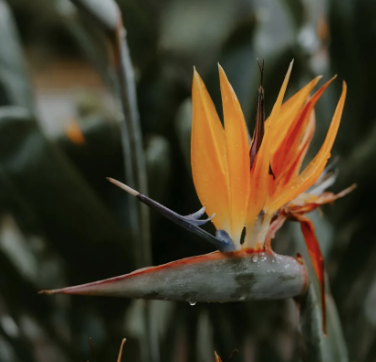
If you want a houseplant with real impact, the bird of paradise is a wonderful choice.
This large tropical plant has big leaves, bold shape, and a unique flower that looks like tropical birds in flight, making it a real show-stopper.
Even better, many indoor bird of paradise plants are quite easy to grow once you understand their basic needs. With the right care routine, they produce strong upright leaves and beautiful new growth.
In this guide, we will cover everything you need to know about bird of paradise plant care. We will look at light, watering, soil, pruning, and how to encourage blooming. By the end, you will know exactly how to keep your plant healthy and thriving.
Background of the Bird of Paradise Plant
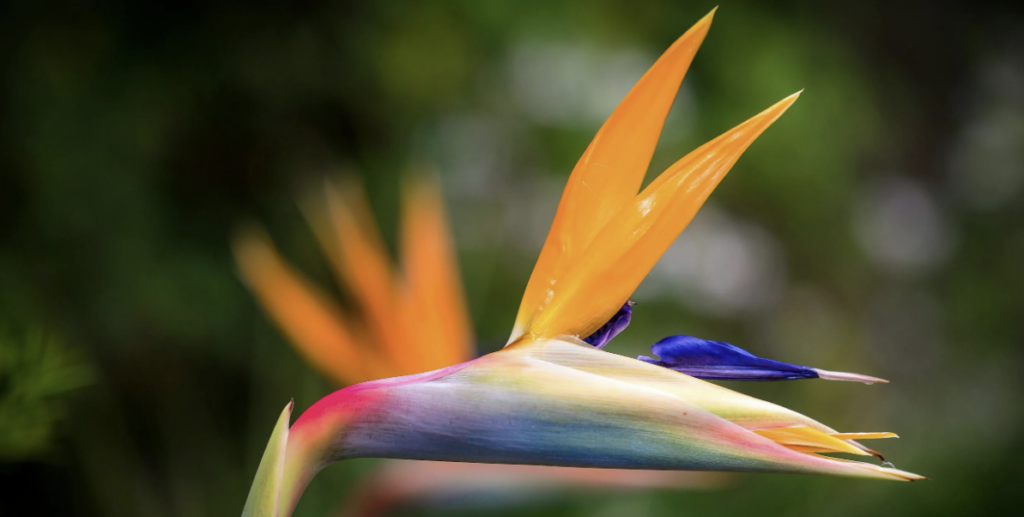
Bird-of-paradise plants are a species of evergreen tropical herbaceous plant that come from South Africa. Their natural habitat is warm, bright, and slightly humid.
The most famous variety is Strelitzia reginae. This plant produces bright orange flowers shaped like tropical birds.
Another popular type is Strelitzia nicolai, often called the giant bird of paradise or s. nicolai. It grows much larger and can look similar to a banana tree.
These plants have paddle-shaped leaves that resemble a banana plant or even a banana tree. Because of their bold leaves and upright plant shape, they add instant tropical flair to any room.
Types of Bird of Paradise Plants
There are several types of bird-of-paradise plants you may see in homes or garden centres.
The most common include:
- Strelitzia reginae – the classic orange variety with striking flowers
- Strelitzia nicolai – also called the giant bird of paradise with white flowers
- Other tropical species with similar banana-shaped leaves
The orange variety often stays smaller. Meanwhile, white bird of paradise plants can grow into very large indoor plants over time.
Light Requirements
Light is one of the most important parts of bird of paradise plant care.
These plants love bright light and even full sun in many homes. A sunny spot near a window is often the best place.
However, they can also grow in bright indirect light or medium light conditions. If your room is darker, using a grow light is a good idea.
Without enough light, the plant may grow slowly. New leaves may also appear smaller. So if your plant looks weak, try moving it to brighter light.
Watering
Bird of paradise plants like even moisture, but they do not like soggy soil.
Water when the top few inches of soil feel dry. Make sure the pot has a drainage hole so excess water can escape.
Too much water can lead to root rot. It may also cause yellow leaves or soft stems.
Using distilled water or filtered water can sometimes help prevent brown edges on the leaves.
Temperature
These plants prefer warm conditions. Their ideal temperature range is around normal room temperature.
Try to keep them between 18°C and 27°C. Avoid cold drafts, especially during winter months.
Because they come from a warm growing season in nature, they grow best in stable indoor temperatures.
Humidity
Bird-of-paradise plants enjoy high humidity.
In dry homes, you may notice brown edges on the leaves. This often happens when humidity levels are low.
A pebble tray filled with water can help increase humidity. Grouping indoor plants together can also create a more humid environment.
Fertiliser
During the warmer months, your plant will grow faster. This is the best time to feed it.
Use a balanced water-soluble fertilizer every few weeks during the growing season. Early spring through early summer is often the best time.
Fertiliser helps support strong new leaves and healthy growth.
Soil
Bird-of-paradise plants grow best in well-draining soil.
The soil should hold some moisture but still allow good drainage. This prevents excess water from damaging the root ball.
A mix designed for tropical plants usually works well.
Repotting
As your plant grows, it may need a new pot.
Signs it needs repotting include roots pushing out of the bottom of the pot or slow growth.
When repotting, move the plant from its nursery pot into a slightly larger container. Make sure the bottom of the pot has good drainage.
This gives the roots space to grow and helps support mature plants.
Pruning
Pruning is simple with bird-of-paradise plants.
Remove dead leaves, damaged leaves, or older leaves from the outer leaves near the base of the plant.
Use clean scissors and cut close to the base. This helps the plant focus its energy on new growth.
Propagation
Bird of paradise plants are usually propagated by division.
This means separating part of the root ball to create new plants. The best time is during early spring when the plant begins active growth.
Each section should have strong roots and at least one healthy stem.
Seasonal Care
During the warm growing season, plants produce the most growth.
They may push out several new leaves in early summer or late spring.
During winter months, growth slows down. Water less often and stop fertilising.
Keeping plants in bright light during winter helps them stay healthy.
How to Encourage Blooming
Getting a bird of paradise plant to flower takes patience.
Flowers usually appear on mature plants that receive enough light.
To encourage blooms:
- Place the plant in bright light or full sun
- Maintain consistent watering
- Feed during the growing season
- Avoid frequent repotting
With the right growing conditions, plants may produce their famous orange flowers.
Common Problems
Even this easy-going plant can have problems.
Brown edges often mean low humidity.
Yellow leaves may mean too much water.
Drooping leaves may indicate not enough water.
Checking soil moisture and light conditions is the best way to diagnose issues.
Pests
The most common pests are spider mites.
These tiny insects thrive in dry air. They can damage leaves over time.
Treat infestations with neem oil or insecticidal soap. Regular cleaning of leaves also helps prevent pests.
Is Bird of Paradise Pet Friendly?
Unfortunately, bird-of-paradise plants are not considered pet friendly.
They can be toxic if eaten by cats or dogs. If you have curious pets, it is best to place the plant out of reach.
Houseplants With Similar Care
If you enjoy bird-of-paradise plants, you may also like:
- banana plant
- large tropical foliage plants
- other bright light indoor plants
These plants often share similar care needs.
Frequently Asked Questions
How do you look after a Bird of Paradise plant?
Place it in bright light, water when soil dries slightly, and use well-draining soil. Provide warmth and occasional fertiliser during the growing season.
How much sunlight does a Bird of Paradise need?
Bird-of-paradise plants prefer bright light and can tolerate full sun. A sunny window with indirect sunlight is ideal.
Should I cut the brown leaves off my Bird of Paradise?
Yes. Removing dead leaves or badly damaged leaves helps keep the plant healthy and encourages new growth.
What is the best fertilizer for birds of paradise?
A balanced water-soluble fertilizer works well during the growing season.
What does an overwatered Bird of Paradise look like?
Signs include yellow leaves, soft stems, and soggy soil. In severe cases, root rot may develop.
How to perk up a Bird of Paradise plant?
Move it to brighter light, check watering habits, and ensure good drainage. These steps usually improve plant health.
How to encourage a Bird of Paradise to flower?
Give the plant plenty of bright light, stable warmth, and proper feeding during the warmer months. Mature plants flower more easily.
How to properly prune a Bird of Paradise?
Remove damaged or old leaves at the base of the plant. Use clean tools and avoid cutting healthy stems.
What does an unhealthy Bird of Paradise look like?
Common signs include yellow leaves, brown edges, drooping stems, or slow growth. These often relate to watering, light, or humidity issues.
Bird-of-paradise plants are bold, beautiful, and surprisingly forgiving. With the right care routine, they can become a stunning focal point in your home. Even a single plant can add dramatic tropical flair to any room.