
If you’re a coffee lover, you might wonder: can leftover coffee grounds benefit your indoor plants?
The answer is yes, but there are some nuances.
Coffee grounds are a natural fertilizer that can support healthy growth for certain plants. This guide covers everything you need to know, from nutrients and preparation to myths and best practices.
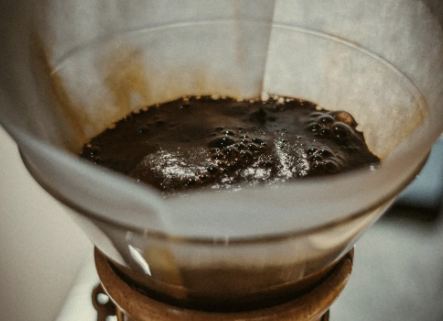
Are Coffee Grounds Good for Plants?
Used coffee grounds are a great addition to plant soil when used correctly. They act as a source of organic matter, improving soil structure and water retention. Coffee also provides essential nutrients to your indoor plants and garden plants.
However, not all plants like coffee. Some may struggle in slightly acidic soil. Understanding which plants benefit most ensures you get the best results and vibrant leaves.
What Do Coffee Grounds Do for Plants?
Coffee grounds can serve multiple purposes. They are a natural way to enhance plant growth and soil quality. When added in small amounts, they act as an excellent fertilizer. They help improve soil texture, support beneficial microbes, and can even boost moisture retention in dry soil.
Additionally, grounds can be part of a compost pile or compost bin. They mix well with brown materials like dry leaves or wood chips, creating nutrient-rich compost that works as a soil amendment for both indoor and outdoor plants.
What Nutrients Are Coffee Grounds High In?
Coffee grounds contain organic nutrients that plants love. Some of the essential nutrients include:
- Nitrogen: Supports leafy growth, especially for nitrogen-loving plants.
- Phosphorus: Aids in root development.
- Potassium: Strengthens stems and overall plant health.
- Trace minerals: Magnesium, calcium, and copper support vibrant leaves and healthy growth.
Fresh grounds have slightly different properties than used grounds. Used grounds are closer to neutral pH, making them safe for more plants. Fresh grounds are more acidic and best suited for acid-loving plants.
5 Indoor Plants That Like Coffee
Certain indoor plants thrive when you use coffee grounds in moderation:
- African violets – Love the small amount of acidity and extra nitrogen.
- Peace lilies – Grow best with a slight acidity in the soil.
- Spider plants – Enjoy the natural fertilizer from used grounds.
- Jade plants – Small amounts improve soil structure and water retention.
- Acid-loving plants – Rhododendrons and camellias respond well to thin layers on soil.
5 Plants That Don’t Like Coffee
Other plants may suffer from coffee ground use:
- Succulents – Prefer alkaline soil; grounds can harm roots.
- Cacti – Sensitive to moisture retention and fungal growth.
- Herbs like rosemary or thyme – Prefer neutral soil pH.
- Vegetable crops like beans – Too much nitrogen can slow fruiting.
- Alkaline soil-loving plants – They don’t tolerate slight acidity from fresh grounds.
How to Make Coffee Fertilizer for Houseplants
Coffee ground fertilizer is an easy, natural way to boost indoor plant health. You can make it from used grounds collected from your last cup of coffee or coffee shops.
Method 1: Dry Coffee Ground Fertilizer
- Spread used grounds on a tray to dry.
- Store dry grounds in a container until use.
- Sprinkle a teaspoon of grounds on the top of the soil or root zone.
Method 2: Liquid Coffee Fertilizer
- Steep used grounds in a gallon of water for 24 hours.
- Strain the liquid.
- Use as liquid fertilizer to water your indoor plants.
Methods for How to Prepare Coffee Grounds for Plants
- Sprinkle coffee grounds directly on potting soil in a thin layer. Avoid thick layers.
- Mix with potting soil or compost bin to enhance soil texture and nutrients.
- Coffee ground compost – Add spent grounds to your compost pile with brown materials like dry leaves or wood chips.
- Liquid fertilizer – Steep used grounds in water for a few hours and apply to soil.
How Often To Put the fertiliser on Plants?
Use coffee grounds sparingly. Adding too much can harm the plant’s roots and encourage fungal growth.
- Small amount per application – A teaspoon of grounds per pot or a thin layer on the soil surface.
- Frequency – Once every 2–4 weeks is usually enough.
- Growing season – Apply more often during active growth periods, less during dormancy.
Can I Put Coffee Grounds Directly on Plant Soil?
Yes, but carefully. Sprinkle a thin layer on top of the soil. Avoid piling large amounts, which can create a dense barrier, preventing water from reaching the roots. For best results, mix used grounds into potting soil or compost.
Common Myths About Coffee Grounds for Plants
- Coffee grounds are too acidic for all plants: Used grounds are closer to neutral pH. Only fresh grounds are highly acidic.
- The Coffee kills plants: This is false if you use small amounts and prepare them properly.
- Coffee repels pests like fruit flies: It may help in some cases, but it’s not a reliable pest solution. If you notice pests, hydrogen peroxide mixed with water can help clean the soil and protect roots.
- Coffee speeds up germination: There is no strong evidence; small amounts in soil are safe for seeds.
Tips for Best Results With Coffee Grounds
- Always use used coffee grounds unless you are treating acid-loving plants.
- Keep soil moist but not wet to avoid root rot.
- Mix with compost or brown materials for better soil structure.
- Avoid adding much grounds to seed germination soil, as it may hinder early growth.
- Store leftover grounds in a dry, sealed container to prevent mold and unwanted odors.

FAQ: Coffee Grounds for Plants
1. Coffee grounds for plants benefits
Coffee grounds improve soil texture, provide nitrogen, and support beneficial microbes. They are an excellent natural fertilizer.
2. Coffee grounds for plants mold
Used grounds can grow mold if they stay moist too long. Dry slightly before adding or mix with compost.
3. What plants don’t like coffee grounds
Succulents, cacti, alkaline soil-loving plants, and some herbs dislike grounds.
4. How to use coffee grounds for plants
Sprinkle a small amount on soil, mix into compost, or make liquid fertilizer by steeping in water.
5. Best coffee grounds for plants
Used grounds are safest. Fresh grounds are more acidic and best for acid-loving plants.
6. How to use coffee grounds as fertilizer
Use a thin layer on soil or mix with potting soil. Liquid fertilizer made from steeped grounds works well.
7. Coffee grounds on plants myth
Coffee doesn’t kill plants if used properly. Avoid overusing, and plants will thrive.
8. Coffee grounds for plants fresh or used
Used grounds are closer to neutral pH and safer for most indoor plants.
9. How to store used coffee grounds for plants
Dry slightly and store in a sealed container to prevent mold and fungal growth.
Coffee grounds are a good thing for many indoor plants. They act as a natural fertilizer, improve soil structure, and add essential nutrients. Used grounds are safer than fresh grounds and can be added directly to soil, compost, or even made into liquid fertilizer.
Remember: moderation is key. Too much coffee can harm roots and encourage fungal growth. When used correctly, grounds are a great way to recycle kitchen waste while boosting plant growth. Next time you finish a cup of coffee, consider giving your indoor plants a little love with spent grounds.
Want to know more about coffee? Read my blog post on 21 Fascinating Facts About the Coffee Plant You Need To Know.
