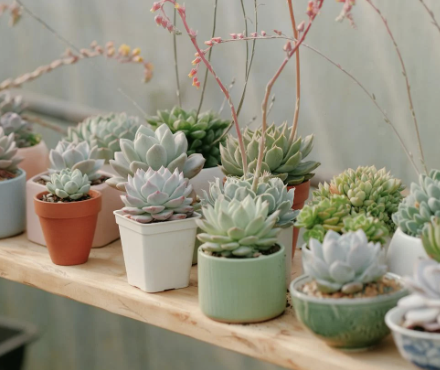
Succulent plants are loved for their beauty, small size, and health benefits. They are resilient plants that grow well in dry conditions and bright light. Many people enjoy keeping them in indoor succulent gardens because they are easy to care for.
But even healthy plants can run into common issues. Common succulent pests and fungal diseases can turn into a real problem if you do not act early. The good news is that most problems are easy to fix with proper care and close attention.
Let’s walk through the most common pests and diseases, how to spot them, and the best way to treat and prevent them.
Mealy Bugs
Mealy bugs are one of the most common pests found on succulent plants. These small insects look like cotton-like insects with white, fluffy bodies. They feed on plant sap and plant juices, slowly weakening the entire plant.
They often hide in leaf axils, along leaf veins, and on the underside of leaves. Root mealybugs live below the soil line and attack the roots, which makes them harder to see.
How to Identify
You can usually see mealy bugs with the naked eye. Look for white, cotton-like clusters on succulent leaves or stems. You may also notice light green new growth that looks weak, leaf drop, or sticky residue on the plant surface.
If root mealybugs are present, the plant may show wilting of leaves even though the soil is moist.
Pest Management / Treatment
If the problem is in a small area, dip a cotton swab in isopropyl alcohol and gently dab each bug. This is often the best option for small infestations.
Insecticidal soap and neem oil also work well. Spray in bright light or indirect light, never in harsh sunlight. For severe infestations, a systemic insecticide may be needed. In a case of severe infestation, repot the affected plant in well-draining soil and remove damaged areas of the roots.
Prevent Pests
Avoid much water and always let the soil dry fully. Make sure your pots have drainage holes and use the best soil mix for succulent plants. Inspect new plants carefully before placing them near healthy plants.
Scale Insects (Soft Scale)
Soft scale is a species of scale insects that attaches itself to stems and leaves. These small insects feed on the sap of the plant and damage plant tissue over time.
As they feed, they leave behind sticky residue that can lead to black mold growth.
How to Identify
Look for small brown dots on succulent leaves or stems. They often sit along leaf veins or on the undersides of leaves. Leaves may turn yellow, show leaf drop, or fail to support healthy flower buds.
If black mold appears on the surface, it is often a sign that scale insects are present.
Pest Management / Treatment
You can remove scale by dabbing them with isopropyl alcohol using a cotton swab. Neem oil and insecticidal soap are also very effective. Strong sprays of water can help in early stages.
For long periods of infestation or severe infestations, a systemic insecticide may be necessary.
Prevent Pests
Keep plants spaced in open space with good air circulation. Avoid overcrowding indoor plants. Healthy plants are much more resistant to pests than stressed ones.
Red Spider Mites
Red spider mites are tiny small animals that are difficult to see with the naked eye. They live mostly on the underside of leaves and love dry conditions and harsh sunlight.
They feed on plant juices and can cause much damage if left untreated.
How to Identify
You may notice tiny pale spots that look light green or yellow on succulent leaves. Fine webbing under leaves is another clear sign. Over time, leaves may dry out, show sun damage, or become weak.
Pest Management / Treatment
Rinse the plant with strong sprays of water, focusing on the undersides of leaves. Neem oil or insecticidal soap can be used weekly until the mites are gone.
Prevent Pests
Avoid extremely dry air indoors and protect plants from harsh sunlight. Bright light is ideal, but full sun without airflow can stress the plant.
Fungus Gnats
Fungus gnats are small insects that look like tiny flies hovering near your cactus plant or other indoor plants. They thrive in moist soil and are usually a sign of too much water or poor drainage.
Their larvae feed on plant tissue in the roots.
How to Identify
You may see small flies around the soil surface. The soil may stay wet for long periods. The plant may show slow growth or wilting of leaves.
Pest Management / Treatment
Let the soil dry between watering. This is the best way to stop fungus gnats. Yellow sticky traps help catch adult gnats.
If the problem continues, repot the plant using well-draining soil and ensure proper drainage holes.
Prevent Pests
Follow the general rule of watering only when the soil is fully dry. Avoid moist soil and always use the best soil mix designed for succulent plants.
Root Rot
Root rot is one of the most serious fungal infections affecting succulent plants. It is usually caused by too much water and poor drainage. Fungal attacks damage the roots, causing them to turn soft and dark.
How to Identify
Leaves may feel mushy or soft. You might notice leaf drop or even collapse of the entire plant. When removed from the pot, the roots may smell bad and look black.
Pest Management / Treatment
Remove the affected plant from its pot and cut away all rotten roots. Let it dry in open space before repotting in fresh, well-draining soil. Place it in bright light, but avoid direct sunlight at first.
Prevent Pests
Never let succulent plants sit in moist soil. Good drainage and dry conditions are key to preventing fungal diseases like root rot.
Powdery Mildew and Black Spot
Powdery mildew and black spot are common fungal diseases. They look like white dust on succulent leaves, while black spot causes dark spots on the surface.
These fungal infections spread quickly in humid air and poor airflow.
How to Identify
Look for white powder or dark marks on leaves. Damaged areas may grow larger over time, and you may see wilting of leaves.
Pest Management / Treatment
Remove dead leaves immediately and isolate the infected plant. Neem oil or a fungicide can help control fungal infections. Improve good air circulation around your plants.
Prevent Pests
Avoid overhead watering and overcrowding. Keep your plants in bright light with airflow to reduce fungal diseases.
Frequently Asked Questions About Succulent Pests
Many plant owners have similar questions when they notice common succulent pests. Here are simple, clear answers to help you feel confident.
Can I spray soapy water on my succulent plants?
Yes, you can spray soapy water on succulent plants to treat small insects like mealy bugs and soft scale. Use a mild mix of water and gentle liquid soap. Avoid strong cleaners because they can damage plant tissue.
Always test a small area first, especially with unique succulent varieties. Spray in indirect light rather than direct sunlight, and rinse after a few hours. Insecticidal soap is often a safer and more reliable option.
What pest damages succulent plants?
The most common pests include mealy bugs, root mealybugs, soft scale, red spider mites, and fungus gnats. These small insects feed on plant sap and weaken healthy plants over time.
Signs include small brown dots, cotton-like insects, black mold, leaf drop, and weak new growth. Severe infestations can damage the entire plant if ignored.
What is a natural pesticide for succulent plants?
Neem oil is one of the best natural treatments. It helps control many of the most common pests without harming the plant when used properly. Insecticidal soap is another gentle option.
You can also use a cotton swab dipped in isopropyl alcohol for spot treatment. For minor problems, strong sprays of water can remove pests from the undersides of leaves.
Can I use hydrogen peroxide on my succulent plants?
Yes, hydrogen peroxide can help in cases of fungus gnats or mild fungal infections in moist soil. It can kill larvae and reduce fungal attacks caused by too much water.
Always dilute it before use. It is mainly helpful for soil problems, not for pests feeding on leaves.
How do I get rid of pests on succulent plants?
Start by isolating the infected plant to protect healthy plants. Inspect different parts of the plant carefully, including leaf axils, undersides of leaves, and new growth.
Remove visible pests with isopropyl alcohol, then treat with neem oil or insecticidal soap weekly. If needed, repot the affected plant in fresh, well-draining soil.
Most importantly, adjust your care routine. Avoid much water, provide bright light without harsh sunlight, and ensure good air circulation. With proper care, succulent plants can recover and thrive again.
What To Do If Your Succulent Plant Is Diseased
If you notice fungal diseases, viral infections, or pests, act quickly but calmly. First, isolate the infected plant away from your other indoor plants. This step alone can prevent a much bigger problem.
Remove dead leaves and damaged areas. Check different parts of the plant closely. Review your watering habits and light conditions. Many common issues come from too much water, poor drainage, or lack of airflow.
Even beautiful varieties like sedeveria letizia can bounce back with the right care. There is a good deal of satisfaction in saving a struggling plant and watching new growth appear again.
General Pest Prevention Tips For Succulent Plants
- Use well-draining soil and the best soil mix
- Make sure pots have drainage holes
- Water only when soil is fully dry
- Provide bright light or indirect light
- Avoid long periods of moist soil
- Check undersides of leaves weekly
- Inspect leaf axils and new growth often
- Maintain good air circulation
- Isolate new plants before placing them nearby
- Remove dead leaves promptly
Seasonal Care For Succulent Plants
In summer, keep succulent plants in bright light with good air circulation, protect them from harsh afternoon sun, and water only when the soil is fully dry.
In winter, reduce watering, keep plants in bright indirect light away from cold drafts, and make sure the soil stays dry to prevent root rot and fungal diseases.
Succulent plants are strong, adaptable, and rewarding to grow. With a little close attention and consistent care, you can prevent most common succulent pests and keep your plants healthy for years.