Soil can feel confusing.
There are many types, mixes, and products. But once you understand the basics, it all makes sense.
This guide explains what soil is, why it matters, how it works, and how to fix problems.
1. What Is Soil?
Soil is the top layer of the earth where plants grow. It is made from:
- Tiny pieces of rock (sand, silt, clay)
- Organic matter (dead plants and leaves)
- Water
- Air
- Living organisms (worms, microbes, fungi)
Good soil holds water and nutrients. It also allows air to reach plant roots.
Roots need water and oxygen. Soil must provide both.
2. Why Soil Is Important
Soil does four main jobs:
- Holds the plant upright
- Stores water
- Stores nutrients
- Allows air to reach roots
If soil fails at one of these jobs, plants struggle.
Bad soil can cause root rot, slow growth, yellow leaves, or plant death.
3. Basic Soil Types (Natural Soil)
Natural soil is made of three particle sizes:
Sandy Soil
- Drains very fast
- Feels gritty
- Does not hold nutrients well
Good for: Cactus, succulents, lavender
Clay Soil
- Drains slowly
- Feels sticky when wet
- Holds nutrients well
Can cause waterlogging
Silt Soil
- Soft and smooth
- Holds moisture well
- More fertile than sand
Loam (The Ideal Soil)
- Mix of sand, silt, and clay
- Good drainage and nutrient balance
- Best for most garden plants
4. Common Bagged Soil Types (What You Buy)
Here are the most common types you see in stores:
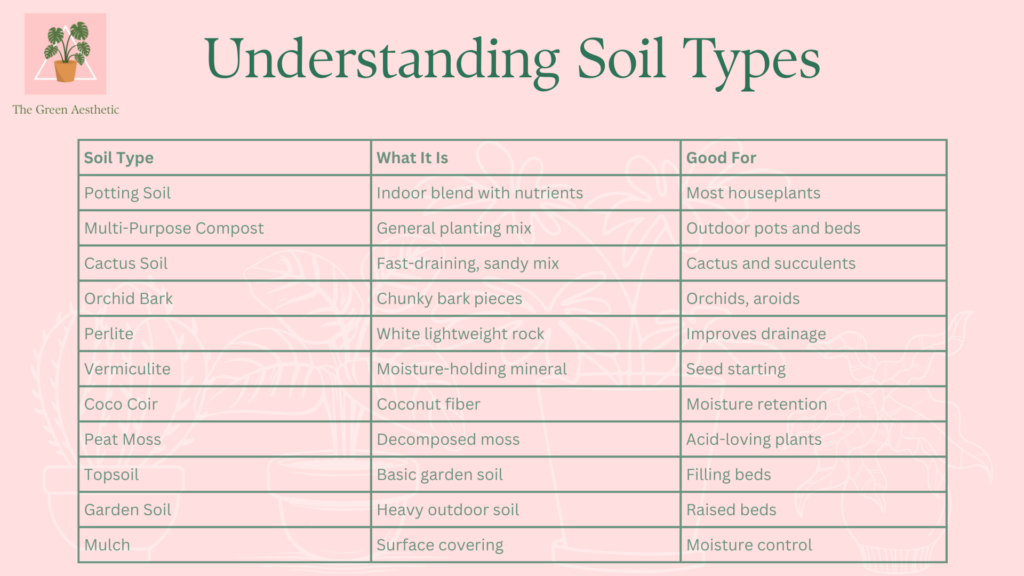
Perlite and vermiculite are not soil by themselves. They improve soil structure.
Mulch does not replace soil. It sits on top to protect it.
Not Sure Which Soil Your Plant Needs?
Every plant has slightly different soil preferences. Some need chunky, fast-draining mixes, while others prefer moisture-retaining blends. Here are my detailed soil guides for popular houseplants:
The Best Soil for Begonia Plants
The Best Soil for Venus Flytrap
The Best Soil for Snake Plants
The Best Soil for Aloe Vera Plants
5. What Makes Soil Good or Bad?
Good soil:
- Drains well but holds moisture
- Has air pockets
- Contains organic matter
- Has balanced nutrients
- Supports strong roots
Bad soil:
- Stays soggy
- Dries too fast
- Is compacted
- Has no nutrients
- Smells sour or rotten
If roots cannot breathe, plants suffer.
6. Soil and Water: What Really Happens
When You Water
Water fills air spaces in soil. After draining, air returns.
Healthy soil balances air and moisture.
Overwatering
Too much water pushes out oxygen. Roots suffocate.
This leads to root rot, fungus, and yellow leaves.
Underwatering
Soil dries completely. Roots shrink and stop absorbing nutrients.
Leaves turn brown or crispy.
Good soil makes watering easier and more forgiving.
7. Fertiliser and Soil: How They Work Together
Soil holds nutrients like nitrogen, phosphorus, and potassium.
Fertiliser adds extra nutrients.
But fertiliser is not soil. It does not fix bad drainage or structure.
Too much fertiliser:
- Burns roots
- Builds up salts
- Damages soil balance
Healthy soil reduces the need for heavy feeding.
8. Acidic vs Alkaline Soil (pH Explained Simply)
Soil pH measures how acidic or alkaline soil is.
- Below pH 7 = Acidic
- pH 7 = Neutral
- Above pH 7 = Alkaline
Why it matters:
pH affects how plants absorb nutrients. Even if nutrients exist, wrong pH can block them.
Examples:
- Blueberries like acidic soil
- Lavender prefers slightly alkaline soil
- Most houseplants prefer slightly acidic to neutral
9. Can You Test Soil Quality?
Yes, you can.
1. The Squeeze Test
Grab moist soil and squeeze it.
- Falls apart = sandy
- Stays in a hard lump = clay
- Crumbly and soft = good loam
2. Drainage Test
Dig a hole and fill with water.
If water drains in 1–2 hours, drainage is good.
If it sits for hours, drainage is poor.
3. pH Test Kit
Buy a simple soil pH test kit or meter.
4. Visual Signs
- Yellow leaves = nutrient or drainage issue
- Moldy surface = poor airflow
- Sour smell = root rot
10. How to Improve Soil
Add Organic Matter
Compost improves almost all soils.
Add Perlite or Sand
Improves drainage in heavy soil.
Add Coco Coir or Peat
Improves moisture retention in sandy soil.
Add Gypsum
Helps break up clay soil.
Aerate the Soil
Loosen compacted soil. This is called tilling.
11. Common Soil Terminology
- Till: Turn and loosen soil
- Aeration: Adding air to soil
- Drainage: How water moves through soil
- Compaction: Soil pressed tightly together
- Amendment: Something added to improve soil
- Top dressing: Adding compost to the surface
- Mulching: Covering soil to retain moisture
12. How to Fix Common Soil Problems
Soil Too Wet
- Add perlite
- Improve drainage holes
- Reduce watering
Soil Too Dry
- Add coco coir or compost
- Water deeply but less often
Soil Too Sandy
- Add compost
- Add organic matter
Soil Too Clay-Heavy
- Add gypsum
- Mix in compost
Soil pH Too High
- Add peat moss or sulfur
Soil pH Too Low
- Add garden lime
13. Soil for Houseplants vs Garden Plants
Houseplants need lighter, airier mixes. Roots grow in containers and need better drainage.
Garden plants can grow in heavier soil if drainage is managed.
Container soil and garden soil are not the same.
14. The Secret to Great Soil
Great soil has:
- Air
- Water balance
- Nutrients
- Good structure
- Healthy microbes
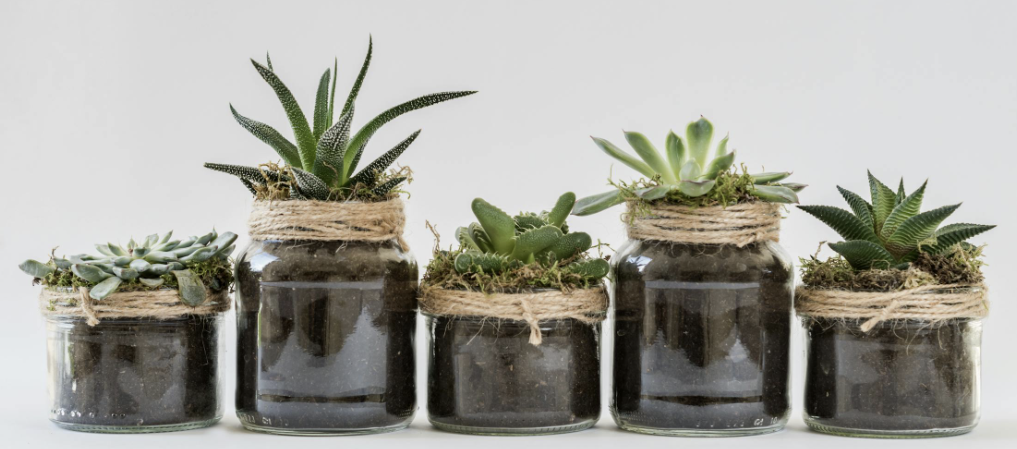
Soil is not just dirt. It is a living system.
When soil is healthy, plants are easier to grow.
15. Soil Pests: Mites, Gnats, and Other Tiny Problems
Sometimes soil problems are not about nutrients or watering. They are about pests living in the soil.
Most soil pests are tiny. You may not see them right away. But your plant will show signs of stress.
Fungus Gnats
Fungus gnats look like tiny black flies. They hover around the soil surface.
The adults are annoying, but the larvae live in wet soil. They feed on organic matter and sometimes small roots.
Why they appear:
- Soil stays too wet
- Poor drainage
- Overwatering
How to fix it:
- Let the top inch of soil dry between watering
- Improve drainage with perlite
- Use sticky traps for adults
- Bottom water instead of top watering
Drying the soil slightly is often enough to stop them.
Spider Mites
Spider mites are not true soil pests, but they are common in dry conditions. They live on leaves, not in soil.
Signs:
- Tiny pale dots on leaves
- Fine webbing
- Leaves look dusty or dull
They thrive in dry air.
How to fix it:
- Increase humidity
- Rinse leaves with water
- Use insecticidal soap
Healthy soil helps plants resist pests better.
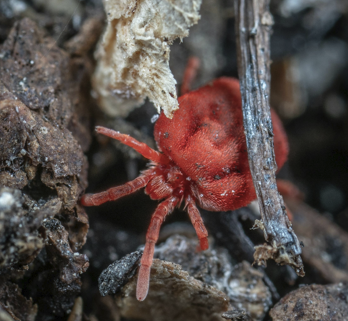
Soil Mites
Soil mites are tiny white or brown insects in the soil. Most are harmless. They feed on decaying organic matter.
They usually mean your soil is rich in organic material.
Only worry if:
- The population explodes
- Roots start declining
Improving drainage and reducing overwatering usually balances things out.
Root Mealybugs
These are harder to spot. They live in the soil and feed on roots.
Signs:
- Stunted growth
- Wilting even when soil is moist
- White cotton-like clusters near roots
To fix:
- Remove the plant
- Rinse roots gently
- Replace all soil
- Clean the pot thoroughly
Fresh soil is essential after treatment.
Why Soil Health Matters for Pest Control
Poor soil conditions attract pests.
Wet, compacted soil creates the perfect home for fungus and larvae. Healthy soil with good drainage and airflow makes it harder for pests to survive.
Strong plants grown in balanced soil are more resistant to attack.
How to Prevent Soil Pests
- Avoid overwatering
- Use well-draining soil
- Do not let pots sit in standing water
- Remove dead leaves from the soil surface
- Repot with fresh soil every 1–2 years
Good soil care prevents most pest problems before they start.
If you remember only three things:
- Roots need air and water.
- Drainage matters more than most people think.
- Good soil solves most plant problems.
Once you understand soil, plant care becomes much easier.