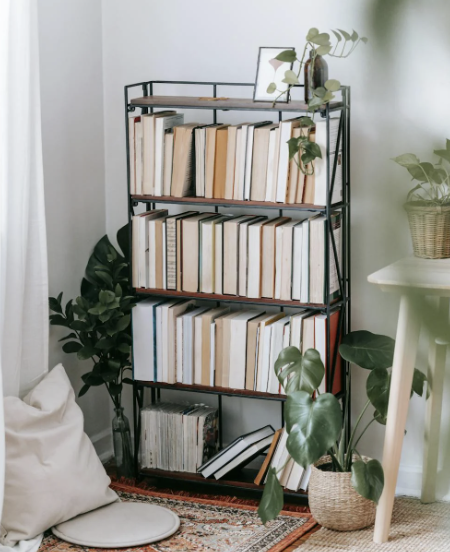
Plants on bookshelves can change a whole room. They add life, color, and a soothing atmosphere.
Many house plant lovers addicts use shelf decor to bring nature closer. Bookshelves are also a great place for indoor plants, as long as you pick the right plants and place them with care.
This guide walks you through the best plant options, the best way to care for them, and how to decorate your shelves to keep both the plants and furniture in good shape.
Why Bookshelves Make a Great Place for Plants
Bookshelves create small pockets of space that work well with small plants.
These spaces frame each plant and highlight its shape, color, and texture. You also get a nice mix of your favorite books, family photos, and decorative objects. The mix feels warm and personal.
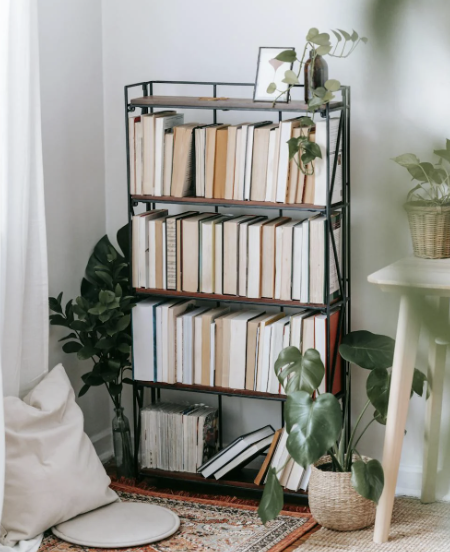
Bookshelves can sit in many rooms. A family room is perfect because plants add calm energy to a busy space.
They boost the well-being of houseplants because the shelves can shield them from harsh direct light.
Many shelves sit near windows that offer bright light without strong heat. You can also use higher shelves or lower shelves to change the amount of light each plant gets.
The Best Plants for Bookshelves
1. Spider Plants
Spider plants love bright indirect light. They work well on higher shelves where the long stems can hang down. They fit small spaces too. Their light requirements are simple, and they handle low-light conditions when needed. They need regular watering but do not like excess water.
2. Snake Plants
Snake plants can grow in lower light and still stay healthy. They look great next to decorative planters or decorative bookends. Their tall shape adds height to your plant shelf. They also stay clean and do not drop many leaves.
For more care tips for snake plants, check out my care guide on Top Tips You Need To Grow A Beautiful Moonshine Snake Plant.
3. String of Hearts
String of hearts works well on higher shelves. The long vines flow down the sides and look soft and pretty. The heart-shaped leaves stay neat with minimal care. This plant stores water, so it needs less watering.
4. Nerve Plants
Nerve plants love humid spaces and gentle light. Their small size makes them perfect for small shelves. They add strong color with their bright veins. They prefer regular watering but need good airflow.
5. Low-Light Indoor Plants
Some shelves sit far from windows. You can use plants that love low-light conditions. Try baby rubber plants, pothos, or ZZ plants. They need less light and grow well in a quiet corner.
How to Keep Plants Healthy on Bookshelves
Light Requirements
Look at the amount of light your shelf gets during the day. This decides where each plant goes. Place plants that love light on higher shelves. Use lower shelves for plants that grow well in shade. Too much direct light burns leaves. A bright spot close to a window works well for many species.
Watering Tips
Most bookshelf plants need regular watering, but they hate too much water.
Excess water can spill over and harm your shelves. Use pots with good drainage to protect your furniture. Add a small layer of stones inside the pot to help drain water away fast.
Keep a towel nearby when watering so you can wipe any spills.
Humidity Needs
Some plants like high humidity. You can place a small cup of water behind the decorative objects. It helps keep the air moist. You can also mist plants in the morning. This keeps leaves clean so light reaches them well.
Stopping Pests
Spider mites like dry spaces. Check your plants each week. Look at the lower leaves and the soil. A quick wipe stops them from spreading. Healthy plants fight pests on their own.
How to Protect Your Furniture
Bookshelves made of wood need some care. You can protect them and keep them looking great.
Use Waterproof Trays
Place each plant in a tray that catches water. This stops damage to the shelf. You can pick trays that match your decorative planters.
Clean Leaves Often
Dust collects fast on indoor plants. Dust also falls onto the shelf. Wipe the leaves with a soft cloth. Clean leaves take in more light and stay shiny.
Avoid Heavy Pots on Weak Shelves
Some shelves cannot hold heavy items. Pick small plants with light pots. This reduces strain on your furniture. Place heavier pots on lower shelves.
Watch for Water Rings
Water rings can form under pots with moist bases. Lift each pot once a week to check the shelf. Keep the shelf dry.
How to Decorate Your Bookshelves with Plants
Plant styling on shelves works best with a simple plan. Below is an easy guide.
Follow the Order of Height
Place taller plants toward the ends. Use medium plants in the middle. Fill gaps with small plants or decorative objects. This makes your shelf decor look balanced.
Mix Books and Plants
Stack a few favorite books horizontally. Place a small plant on top to add shape. Mix vertical books with plants to frame each cluster.
Use Decorative Objects
Add decorative bookends, candles, or frames. Mix smooth items with leafy plants for texture. Place a plant between two decorative objects to soften sharp lines.
Add plants to different levels
Nature never grows in one flat line. Plants at different heights create depth. Your eye moves across the whole shelf, not one spot. This makes the shelf look styled and intentional. Trailing plants look beautiful from the top shelves. Upright plants shine on middle shelves. Tiny plants fit well on lower spaces. Higher shelves often get more light. Lower shelves stay softer and better for low-light plants. You can match each plant to the amount of light it prefers.
Add a Touch of Color
Green leaves work with any color scheme. You can add pots with soft colors to match the room. Pastel pots help create a soothing atmosphere.
Try Small Plant Groups
Group three small plants with different shapes. Use one plant with thick leaves, one with long stems, and one with round leaves. This adds depth to your plant shelf.
Common Mistakes and How to Avoid Them
Too Much Water
Bookshelf plants often get too much water because people fear dry soil. Touch the top inch of soil first. Water when it feels dry. This keeps root rot away.
Poor Light
Plants on lower shelves can get too little light. Move them closer to a window for a few hours each day if needed.
Crowding Shelves
Too many small plants block airflow. Spread them out so they can grow.
Ignoring Plant Health
Check your plants each week. Look for new growth and lower leaves that turn yellow. These signs tell you when the plant needs care.