
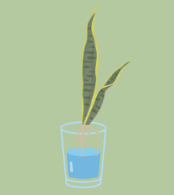
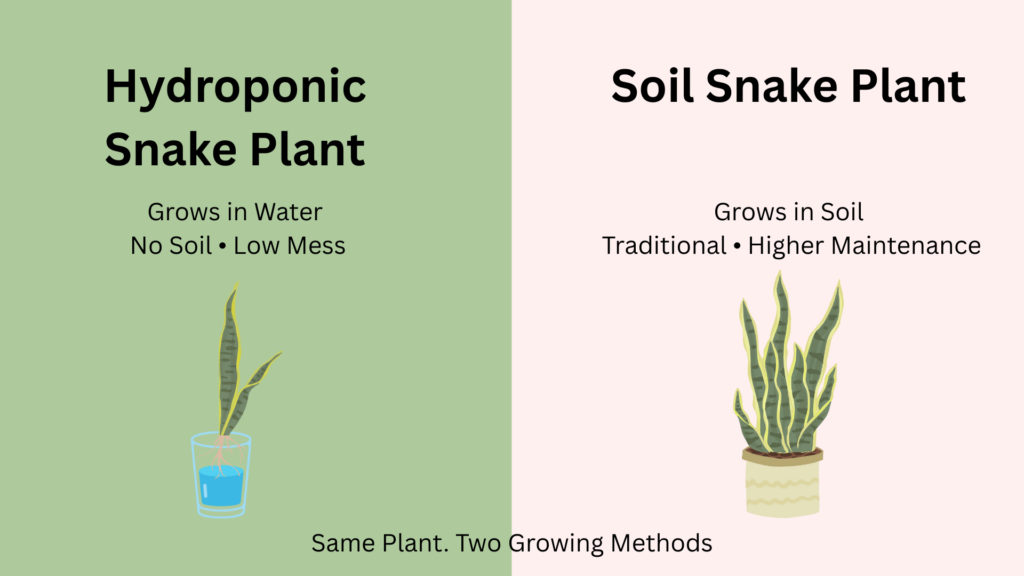
The hydroponic snake plant has become popular for good reason. It looks modern, grows with little effort, and fits busy lives. More people search for easy plant care than ever before. That behavior shapes how indoor gardening trends grow today.
Growing snake plants in water makes care even simpler. Water-grown snake plants remove soil problems and add strong aesthetic appeal. They also work well for uploading & non-users who want visual results fast.
In this guide, you will learn how snake plants adapt to water life. You will also learn setup, care, propagation, and problem solving. Everything is written in clear language and short sentences. Let’s begin.
Can Snake Plants Prosper in Water?
Yes, snake plants can grow in just water. They adapt well when given the right setup. Their thick leaves store moisture for long periods. This makes them perfect for hydroponic systems.
A hydroponic snake plant grows water roots instead of soil roots. These water roots look white and smooth. They absorb oxygen directly from water. This process reduces stress on the plant’s roots.
Most time, snake plants grow slower in water. However, they stay healthy and strong. With light and clean water, growth stays steady. The key is keeping the water level correct.
Never submerge the entire plant. Only the root base should sit in water. Leaves must stay dry to avoid rot.
Advantages of Growing a Hydroponic Snake Plant
Water growing has many benefits for new plant owners. It also helps experienced growers save time.
First, water propagation is the easiest way to grow snake plants. You avoid soil pests and mess. There is no fungus gnat problem. There is also less root rot risk.
Second, water-grown snake plants look clean and modern. A clear container shows healthy roots growing below. This adds beauty and interest to any space.
Third, you can see root health at all times. This helps spot issues early. You can fix problems before damage spreads.
Finally, hydroponic care reduces guesswork. No overwatering worries exist. Water becomes both food and support.
Picking the Perfect Pot for Your Water-Grown Snake Plant
Choosing the right container matters more than many think. The wrong pot can cause stress fast.
Key Considerations for Container Choice
Start with a clear container when possible. It lets you see snake plant roots develop. You can track water level easily.
The container should be narrow and tall. This supports the plant upright. Wide bowls allow leaves to tip over.
Always ensure the bottom of the container stays stable. Heavy glass works well for tall plants. Avoid plastic that bends or tips.
The water reservoir should hold enough water for one week. Too little water dries roots fast. Too much water removes oxygen.
Never let leaves touch water. Only the cut end or root base should stay submerged.
Setting Up Your Snake Plant for Aquatic Life
Transitioning a snake plant from soil to water takes patience. Rushing causes shock and weak roots.
Start with a healthy plant. Avoid plants with soft leaves or brown tips. Healthy plant tissue adapts better.
Remove the plant from soil gently. Rinse all dirt from the roots. Leftover soil causes bacteria growth.
Trim damaged roots using clean scissors. Keep only firm, pale roots. These will turn into water roots later.
Place the plant into plain water. Use room-temperature water. Cold water slows growth.
Step-by-Step Transition Guide
- Select a healthy snake plant cutting or whole plant.
- Wash soil away until roots look clean.
- Trim rotten or dark roots completely.
- Place root base into water.
- Keep leaves dry and upright.
- Change water every seven days.
During the first weeks, expect slow growth. The plant focuses on root changes. This stage is normal.
Caring for Snake Plants in Water
Water care stays simple when done right. Consistency matters more than perfection.
Change water weekly to keep oxygen fresh. Stale water causes bacteria buildup. Clean water supports healthy roots.
Keep water level steady. Roots should stay covered. Leaves must stay above water always.
Place plants in bright indirect light. Direct sun heats water fast. Heat damages plant tissue.
Avoid the shower method for water plants. Splashing introduces bacteria. Calm water works best.
Multiplying Your Snake Plant Family Through Water Propagation
Water propagation works very well for snake plants. It is reliable and beginner friendly.
Leaf cuttings grow new plants slowly. However, they succeed most times. Use sharp scissors for clean cuts.
Cut leaves into sections. Each piece should be three inches long. Mark the bottom of each cutting.
Place cut end into plain water. Keep the same direction upright. Reversed cuttings will not grow.
Tackling Challenges in Water-Grown Snake Plant Care
Even water plants face problems sometimes. Knowing signs early helps a lot.
Yellow leaves often signal low oxygen. Change water more often. Use a wider container.
Soft leaf bases may signal bacteria. Remove affected leaves quickly.
Cloudy water means contamination. Clean container fully and refill.
Addressing Root Rot in Water-Grown Snake Plants
Root rot scares many plant owners. Yet water plants rot less than soil plants.
Why Do Plants Rot in Soil That Is Wet But Won’t Rot in Just Water?
Soil traps water and removes oxygen. Roots suffocate in wet soil. Bacteria grows fast there.
Water alone holds oxygen naturally. Roots breathe easier in clean water. This limits rot development.
Problems start only when water stays dirty. Stagnant water loses oxygen quickly.
Strategies for Root Rot Prevention and Management
Change water weekly without fail. This single habit prevents most issues.
Use a clear container to watch roots. Healthy roots look white or light tan.
Trim dark roots immediately. Clean scissors stop bacteria spread.
Never add soil into water containers. Soil brings microbes that cause decay.
LECA Semi Hydroponics for Snake Plants
LECA offers another option for hydroponic snake plant care. These clay balls wick moisture well.
They support roots while holding air pockets. This reduces rot risk even more.
LECA systems need nutrient solutions. Plain water alone lacks food.
This method suits advanced growers. Beginners should start with plain water first.
How Long Does It Take to Propagate Snake Plant in Water?
Propagation timing varies based on light and temperature.
Root Development Phase
Roots appear in three to six weeks. Warm rooms speed growth.
Shoot and Leaf Growth
New shoots take two to three months. Patience matters here.
Establishing a New Plant
Full plants form in six months. Growth stays slow but steady.
Beautifying Your Space with Water-Grown Snake Plants
Water plants bring calm and modern style. They fit homes and offices easily.
Tall leaves create vertical interest. Roots add texture below.
Clear containers enhance aesthetic appeal. They suit minimalist spaces well.
Creative Display Ideas
Use glass vases for clean looks. Group several sizes together.
Add stones to stabilize roots. Avoid covering the root base fully.
Place plants near windows with filtered light. Avoid dark corners.
Snake plants also work well in bathrooms. Humidity helps growth.
Feeding Hydroponic Snake Plants
Plants still need nutrients in water. Plain water works short term only.
Use hydroponic fertilizer for snake plant care. Dilute heavily to avoid burn.
Feed once every four weeks. More feeding harms roots.
Watch leaf color for signs. Pale leaves signal low nutrients.
Snake Plant Growing Tips for Water Success
Always start with healthy plant material. Weak plants fail faster.
Keep tools clean to avoid bacteria. Small habits matter.
Avoid moving plants often. Stability supports root growth.
Trim damaged leaves early. Energy then supports new plants.
Should Your Snake Plant Be Healthy Before Moving It to Water?
Yes, starting with a healthy snake plant gives you much better results when switching to water. A strong plant has stored energy in its leaves, which helps it grow new water roots faster. Weak or stressed plants often have damaged roots that rot easily once placed in water. Healthy plants also handle the change from soil to water with less shock. Before transitioning, look for firm leaves, a solid base, and clean roots. If a plant is struggling, help it recover first, or use healthy leaf cuttings for water propagation instead.
Need tips on how to revive your snake plant before moving it over to water? Read my post on How to Revive a Snake Plant: Easy Tips You Need to Try For Genuine Results
FAQ: Hydroponic Snake Plant Questions
Can snake plants grow in just water?
Yes, snake plants grow well in just water with proper care.
What plants are not suitable for hydroponics?
Woody plants and root crops struggle in water systems.
How long can a snake plant survive in water?
Snake plants can live years in water when maintained correctly.
Can a snake plant live fully submerged in water?
No, leaves must stay above water to prevent rot.
Can snake plant grow in aquarium hydroponics?
Yes, but roots must stay separate from fish waste.
How to feed hydroponic plants properly?
Use diluted liquid fertilizer monthly for balanced growth.
How to keep hydroponic plants alive long term?
Change water weekly and maintain proper light.
How to grow snake plant leaves from cuttings?
Place cut leaf ends in water and wait patiently.
How to take care of hydroponic plants daily?
Check water level and leaf health often.
How to grow snake plant at home easily?
Start with water propagation and bright indirect light.
The hydroponic snake plant proves plants do not need soil always. Water offers simplicity and beauty together. With clean habits and patience, success comes easily. Whether you grow one or many new plants, water growing keeps care simple and rewarding.