
If you have a monstera deliciosa, you may wonder if it is getting the right light.
This is a very common concern. Light is one of the most important parts of proper care. It affects leaf size, color, and overall plant growth.
Monsteras are popular for a reason. They are bold, beautiful, and easy to love. Still, many problems start when the light is wrong.
In this guide, I will walk you through everything step by step so your plant can thrive.
For the full guide, read my post Monstera Care Guide: How To Grow a Healthy and Beautiful Plant.
Background: Where Monstera Plants Come From
Monstera plants are tropical plants from South America. In the wild, they grow in warm, humid environments. They live under tall trees in the jungle. Sunlight reaches them through leaves above.
This natural habitat explains their light needs. Monsteras do not grow in full sun. They grow in indirect sunlight. The light is bright, but it is filtered. This is why natural light indoors works so well when it is gentle and steady.
The swiss cheese plant, also called split-leaf philodendron, grows this way its entire life. This includes popular types like monstera adansonii and Thai Constellation.
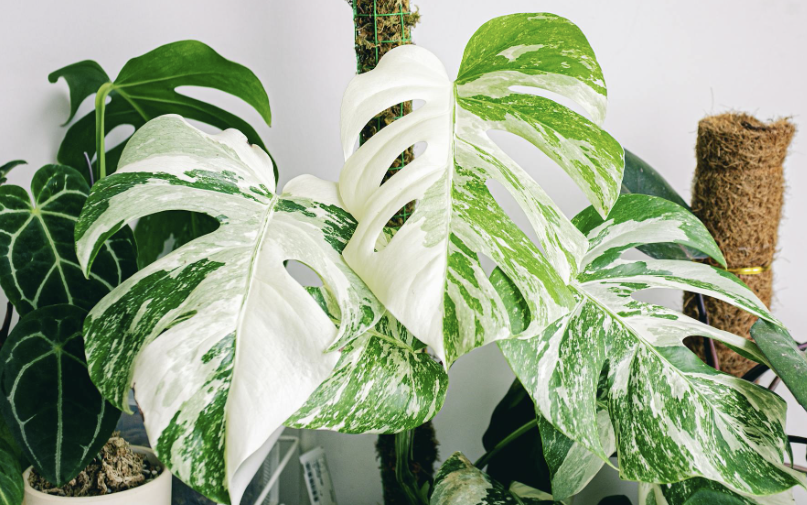
Why Light Is Important for Monstera Plants
Light gives energy to plants. Without enough light, a monstera cannot grow well. It may survive, but it will not thrive. With too much light, the leaves can burn.
The right amount of light supports healthy growth. It helps the plant grow large leaves with natural holes. It also supports strong aerial roots and new root growth. Light even affects how much water the plant uses.
When light is too low and water is too high, root rot can happen. This is why lighting needs matter just as much as watering.
Understanding Light Levels in Everyday Terms
Light sounds confusing, but it does not have to be. You can understand light by how it looks and feels in a room.
Low light feels dim. You can see, but the room feels dull. Shadows are weak or not visible. North-facing windows often create low light conditions. A monstera can live here, but growth will be slow.
Medium light feels bright but soft. The room feels open and cheerful. Shadows are light and blurry. This is called bright indirect light, and it is ideal. An east-facing window or a south-facing window with a sheer curtain works very well.
Bright light or direct sunlight feels warm or hot. Shadows look sharp. Sun hits the leaves directly. West-facing windows often create this light. Too much direct sunlight can cause leaf burn.
What Type of Light Does a Monstera Need?
A monstera needs bright indirect light for optimal growth. It wants plenty of light without harsh sun. This type of light supports new leaves and steady plant growth.
The best place is near a window but not touching the glass. East-facing windows are ideal. South-facing windows also work when filtered with a curtain. West-facing windows need extra care to avoid too much sun.
This balance helps the plant grow large, fenestrated leaves over time.
What Happens When You Move a Monstera Plant?
Monsteras notice changes in light very quickly. When you move a plant, it may react. Leaves may curl, droop, or pause growth. This is a normal plant response.
Sudden changes can cause stress. The best way to move a monstera is slowly. Move it a small distance every few days. This helps the plant adjust without shock.
Gradual change protects new growth and keeps the plant stable.
Signs of Low Light in Monstera Plants
Low light problems appear over time. The plant may grow long stems with wide gaps. This is called leggy growth. Leaves may stay small and lack natural holes.
You may also see pale or yellow leaves. New leaves may stop forming. These signs show the plant is searching for more light.
Moving the plant to a brighter spot often fixes this.
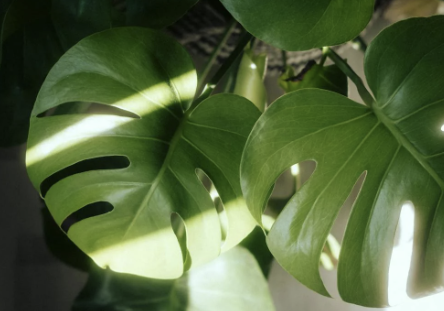
Signs of Too Much Light in Monstera Plants
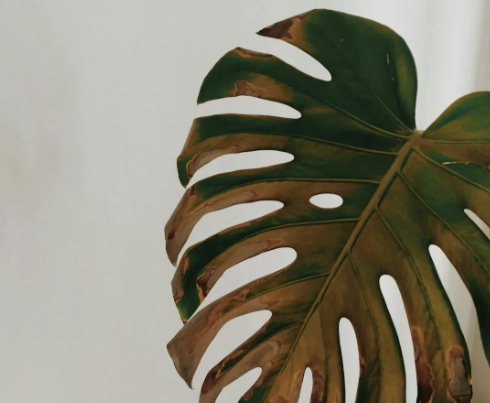
Too much light causes fast damage. Leaves may show brown or burnt spots. Edges can turn crispy. Leaf color may fade to a light green.
This damage is called leaf burn. It means the plant is getting too much sun. Moving it back into indirect light will help prevent more damage.
Signs Your Monstera Is Getting Enough Light
A healthy monstera shows clear signs of happiness. Leaves grow large and glossy. New leaves appear during the growing season. Fenestrated leaves form as the plant matures.
Growth feels steady and strong. This is a good indicator that the light exposure is right.
Using Grow Lights for Monstera Plants
Monsteras can grow under artificial light. This is helpful in dark homes or winter months. A full spectrum grow light works best.
Place the light above the plant. This encourages upward growth and supports a moss pole. Keep the light about 12 to 18 inches away. Too close can cause stress.
Grow lights can help the plant reach its maximum height when natural light is limited.
Simple Tips to Help Your Monstera Use Light Better
Cleaning the leaves is very important. Dust blocks photosynthesis. Clean glossy leaves often with a soft wet cloth.
Rotate the plant every few weeks. This helps even growth. Make sure the pot has drainage holes. Water only when the top inch of soil feels dry.
These small habits support healthy monstera care.
Extra Care That Supports Light Needs
Light works best when other needs are met. Monsteras enjoy high humidity and humid conditions. Room temperature warmth helps steady growth.
Avoid much water in low light. Too much moisture can cause fungal diseases. Watch for common pests like spider mites. Neem oil or insecticidal soap can help when needed.
Frequently Asked Questions About Monstera Light
How much light does Monstera need?
Monstera need bright indirect light throughout the day. They grow best with steady, filtered natural light.
Can Monstera survive in low light?
Monstera can survive in low light, but growth will slow. Leaves may become smaller and lose splits.
What facing window is best for Monstera?
An east-facing window is best. South-facing windows also work with a sheer curtain.
Where is the best place to put a monstera plant?
The best place is near a bright window with indirect sunlight. Avoid harsh afternoon sun.
What are Monstera light requirements in foot candles?
Monsteras prefer about 100 to 500 foot candles. A light meter can help measure this.
Can Monstera grow in artificial light?
Yes, Monstera grow well under full spectrum grow lights when natural light is limited.
What light does Thai Constellation Monstera need?
Thai Constellation needs brighter indirect light than other types. Too little light slows growth.
Why are my monstera leaves turning light green?
Light green leaves can signal stress. Check light exposure first, then water and nutrients.
Final Advice
Light does not need to be confusing. Start with bright indirect light. Watch your plant closely. Adjust slowly when needed.
When the light is right, everything improves. Leaves grow larger. Growth feels steady. The plant looks healthy and strong.
That is the best way to support true monstera happiness.