
Knowing the right time to pick peppers can make a huge difference.
The flavour, texture, and heat all depend on timing. Pick too early, and you’ll miss out on the full taste. Pick too late, and the pepper may soften, over-ripen, or lose colour.
For new gardeners, this can feel confusing.
But there’s good news. Once you know what to look for, it gets much easier.
In this guide, we’ll walk through how to tell when your peppers are ready to harvest.
You’ll learn:
- what to look for
- what to avoid
- how each type of pepper signals it’s time
We’ll also link you to detailed posts on serrano peppers, bell peppers, and habaneros, so you get the best advice for each variety.
🌱 The Basics of Picking Peppers
Peppers don’t all ripen the same way.
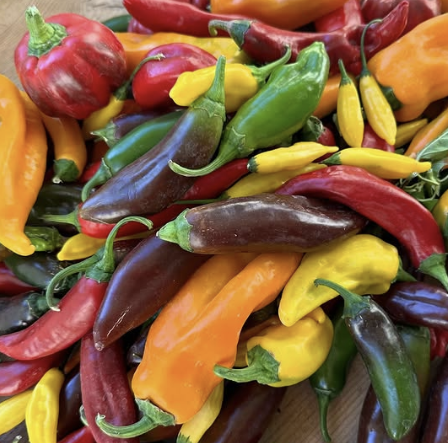
Some stay green. Others turn red, orange, or yellow.
Some sweeten. Others heat up. But no matter the type, you’ll get the best results by learning to watch your plant closely. Pay attention to colour, size, firmness, and the time of year.
Most peppers grow over 60–90 days from planting. During the growing season, you’ll see flowers, then small green pods. These grow into full-sized peppers over time. The exact number of days depends on the variety, your climate, and how much sun and water the plant gets.
Peppers are often ready before they fully change colour. For example, many hot peppers can be picked green for a milder flavour or left to ripen for more heat.
The best way to know when to pick is to match what you see with what the variety needs.
🔍 Signs Your Peppers Are Ready to Pick
Use these signs as a checklist:
- Full Size: Check the seed packet or plant tag for the mature size. Your pepper should match it or be close.
- Firm Skin: The pepper should feel firm but not hard. Soft spots mean it’s overripe or damaged.
- Glossy Appearance: A healthy, ripe pepper often has a shiny, smooth skin.
- Colour Change: Depending on the type, the pepper may turn red, orange, or stay green. Know your variety’s target colour.
- Easy to Snap: When peppers are ready, they should come off the stem with a gentle tug or clean snip with scissors.
☀️ Understanding the Growing Season
Timing depends on where you live. Most peppers thrive in warm weather. They grow best between 70°F and 85°F. Cold snaps or extreme heat can slow them down. It’s helpful to track the days since planting. Most seed packets will list how many days to maturity. That gives you a rough window for harvest.
During late summer, many peppers speed up ripening. Days are long, and the plant has more energy. If you’re growing in containers or raised beds, you may notice slightly faster growth due to warmer soil.
Always check your plants often during this stage. Peppers can ripen quickly in the final days. Daily checks help prevent missed harvests or overripe fruit.
🛑 Common Harvest Mistakes to Avoid
- Picking Too Early: A green pepper that looks full-sized may still be developing flavour. Give it a few more days for better taste.
- Leaving It Too Long: Overripe peppers can get soft, wrinkled, or start to rot, especially during wet spells.
- Using Force: Don’t yank the pepper off. You could damage the plant. Use scissors or twist gently.
- Ignoring Lower Fruit: Sometimes the lower peppers ripen first. Always check top to bottom.
A good harvest means healthy, strong plants and better results for the next round of fruit. Picking at the right time also encourages more growth.
🌶️ Type-by-Type Advice
Serrano Peppers
Serranos are thin, spicy, and usually picked green. You can wait for them to turn red for more heat. They should feel firm and reach 2–4 inches long.
Bell Peppers
Bell peppers are large, sweet, and perfect for salads or roasting. Pick them green for crunch, or let them turn red, yellow, or orange for more flavour. They should be firm and glossy. For detailed tips, go here:
When to Pick – Simple Tips To The Perfect Bell Peppers
Habaneros
Habaneros are small, hot, and full of punch. They start green and ripen to orange or red. Wait until the colour is full and the pepper is slightly soft but still firm. For detailed tips, go here:
When to Pick Habanero Peppers: Easy Tips for Success
✂️ How to Harvest Peppers
The best way is to use clean, sharp scissors or pruning shears. Cut the stem about half an inch above the fruit. This avoids damage and leaves space for the plant to keep producing.
Always handle the plant gently. Pulling or twisting too hard can break branches or stress the plant.
🧺 After the Harvest
Once picked, peppers store best in a cool, dry place. You can refrigerate them for 1–2 weeks. For longer storage, try freezing, drying, or pickling.
Label and date your storage bags so you know what you have. This helps when you’re using them for cooking later.
👩🌾 Final Tips for a Healthy Harvest
- Start checking peppers about two weeks before the expected maturity date.
- Pick often to encourage new growth.
- Keep a garden journal or calendar to track planting and picking dates.
- Water deeply, but avoid soggy soil.
- Keep an eye out for pests like aphids or whiteflies.
By paying attention to your peppers every few days, you’ll gain more experience and better results each year.
Knowing when to pick your peppers gives you the best flavour, the best texture, and the best harvest overall. With practice and a few checks, it becomes second nature. Use this post as your guide, and dive into our variety-specific posts for even more helpful advice.