
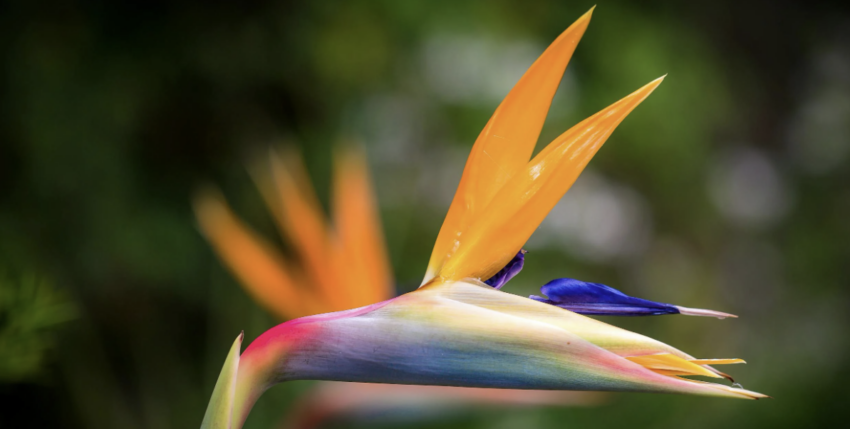
Bird of paradise plants are bold tropical plants known for their dramatic leaves and colorful flowers. These plants are native to South Africa, where they grow in warm climates with bright light and well-draining soil.
Birds of paradise are a popular choice for both outdoor gardens and indoor plants. However, the secret to success is the soil. The best soil for bird of paradise must drain well while still holding some moisture. Without the right soil mix, the roots of the plant can suffer from root rot.
This guide explains the best soil, how to repot the plant, and how to keep your bird of paradise healthy.
Understanding Bird of Paradise Plants
Bird-of-paradise plants are tropical plants with paddle-shaped leaves that look similar to banana plants. In their natural habitat in South Africa, they grow in warm climates with good drainage and bright light.
The most common species include:
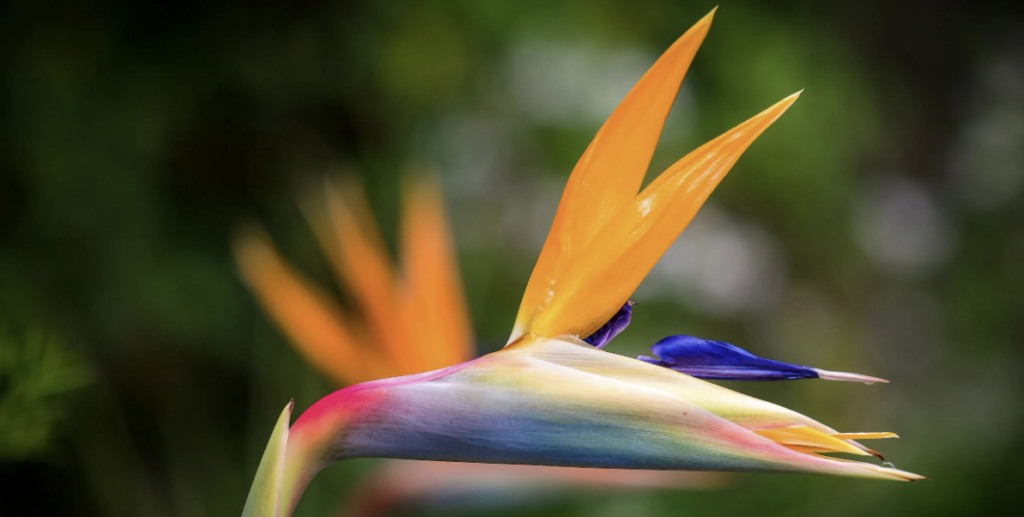
Strelitzia reginae (S. reginae) – the orange bird of paradise with orange flowers and blue petals
Strelitzia nicolai – the giant bird of paradise with white flowers and tall growth
These plants grow best in bright light or full sun outdoors. Indoors, they prefer a sunny spot with indirect sunlight.
What Soil to Use for Bird of Paradise
The best soil for bird of paradise is a rich but well-draining soil mixture. The soil must allow air to reach the root system while still holding enough moisture for healthy growth.
An ideal soil mix contains:
- 2 parts potting mix
- 1 part peat moss or coco coir
- 1 part perlite or coarse sand
This soil mixture creates good drainage and provides essential nutrients during the growing season. It also prevents excess water from sitting around the plant’s roots.
Healthy soil helps produce strong flower stalks and bright, colorful flowers.
What Soil to Avoid
Avoid heavy garden soil or dense compost. These hold too much water and can lead to root rot.
Bird of paradise plants need well-draining soil because their roots require oxygen. Soil that stays wet for long periods can cause brown spots on leaves and slow growth.
A loose potting mix with good air circulation is the best way to prevent problems.
Soil pH and Nutrients
Bird of paradise plants prefer slightly acidic to neutral soil. Most indoor potting mix products already fall in the right range.
Regular fertilization during the growing season helps provide essential nutrients. This supports healthy leaves, strong stems, and better bloom cycles.
Planting Bird of Paradise in Pots
Birds of paradise grow strong roots and large leaves, so a sturdy pot is important. Always use a container with drainage holes.
Choose a new pot that is slightly larger than the root ball. A pot that is too large can hold excess water and damage the roots.
Plastic pots hold moisture longer, while clay pots dry faster. Both work well if watering is adjusted.
Best Time to Repot
The best time to repot bird of paradise plants is early spring or late winter. This allows the plant to settle before the active growing season.
Repotting during summer months is possible, but the plant may experience stress during very hot weather.
How to Repot Bird of Paradise
First, remove the plant gently from its pot. Support the root ball and loosen old soil around the roots.
Next, place the plant into a new pot with fresh soil mix. Keep the base of the plant level with the soil surface.
Fill around the root system with the potting mix and press lightly. Water the plant lightly and place it in a bright spot with indirect light.
This process protects healthy roots and supports new growth.
How to Care After Repotting
After repotting, keep the plant in bright light but avoid strong full sun for a few days. This reduces stress.
Maintain moist soil during the growing season but avoid excess water. The top inch of soil should dry before watering again.
Bird-of-paradise plants also prefer high humidity. A pebble tray can help increase humidity indoors.
Good air circulation helps prevent spider mites and other pests.
Signs the Soil Is Not Right
If the soil mix is wrong, the plant will show clear signs.
Common symptoms include:
- Brown spots on leaves
- Yellowing foliage
- Drooping leaves
- Slow growth
In severe cases, root rot may develop.
Healthy plants have strong stems, healthy leaves, and steady new growth.
Frequently Asked Questions
How wet should bird of paradise soil be?
Bird of paradise plants prefer moist soil but not wet soil. Allow the top inch of soil to dry before watering again. Too much water can lead to root rot.
How to repot a bird of paradise plant?
Repot by gently removing the plant from its pot and loosening the root ball. Place it in a slightly larger new pot with fresh well-draining soil. Keep the base of the plant level with the soil surface.
How do you make potting mix for Bird of Paradise?
A simple soil mixture includes two parts potting mix, one part peat moss, and one part perlite or coarse sand. This creates an ideal soil mix with good drainage and airflow.
What compost does a Bird of Paradise need?
Bird of paradise plants grow well in a high-quality potting mix rich in organic matter. Avoid heavy garden compost that holds too much water.
Is Miracle-Gro good for Bird of Paradise?
Miracle-Gro potting mix can work well if it drains properly. However, mixing it with perlite or coarse sand improves drainage and prevents excess water.
What’s the best soil for a Bird of Paradise plant?
The best soil is a well-draining potting mix with peat moss and perlite or sand. This combination supports healthy roots and prevents root rot.
What is a cheaper alternative to perlite?
Coarse sand or small horticultural grit can replace perlite in soil mixtures. Both improve drainage and airflow around the plant’s roots.
Bird of paradise plants are stunning tropical plants that bring a bold look to indoor spaces and gardens. Their large banana-like leaves and bird-shaped flowers make them a favorite among plant lovers.
However, their success depends on the right soil mix. With well-draining soil, bright light, and proper care, these plants can thrive for many years and produce beautiful blooms.